


20 things to do in Sarajevo
Those visiting Sarajevo for the first time are usually pleasantly surprised by everything this destination has to offer. To ensure you don't get lost in such a wealth of options, we bring you a recommendation of 20 things you should definitely do during your stay in Sarajevo.
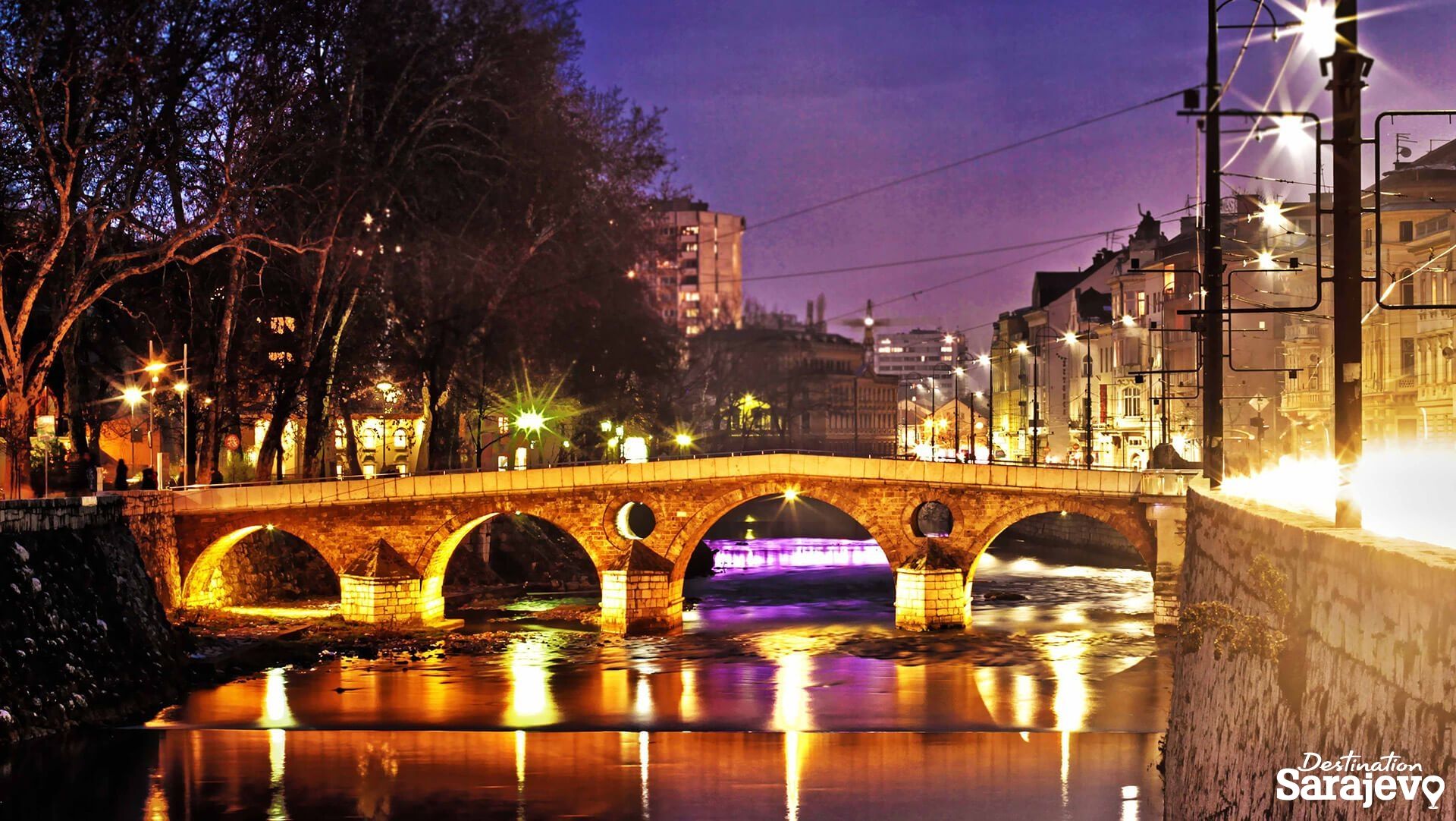
Stroll along the Miljacka and get to know Sarajevo's bridges
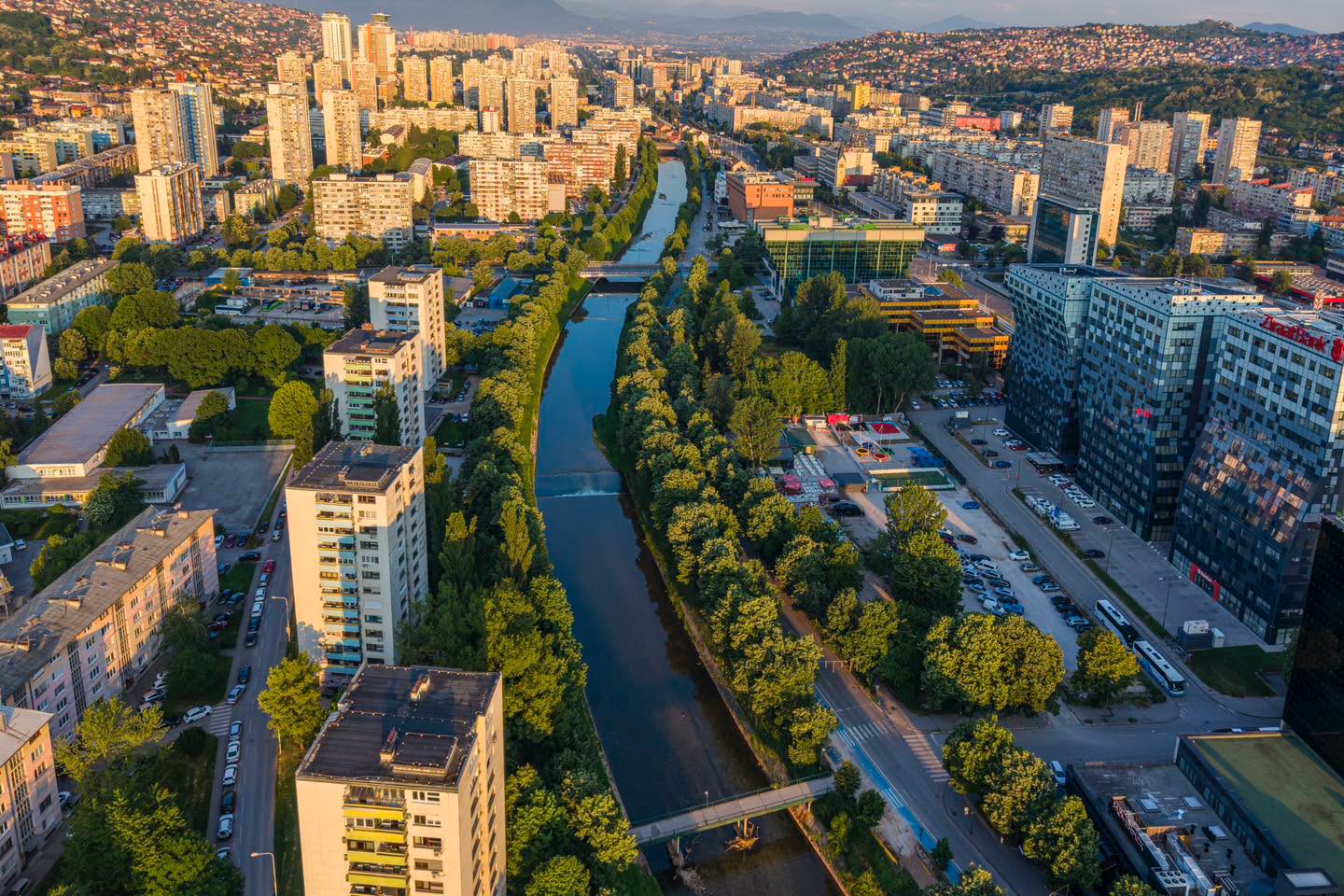
The Miljacka’s banks are joined by bridges, each of which has its own unique and fascinating story which is sure to captivate attentive listeners. rn So one of the best ways to get to know Sarajevo is to walk along the Miljacka and spend some time next to each of the city's bridges. In doing so, you'll come to know the story behind the bridge itself, the part of town it’s located in, as well as the people and events connected to it. rn rn <a…
More...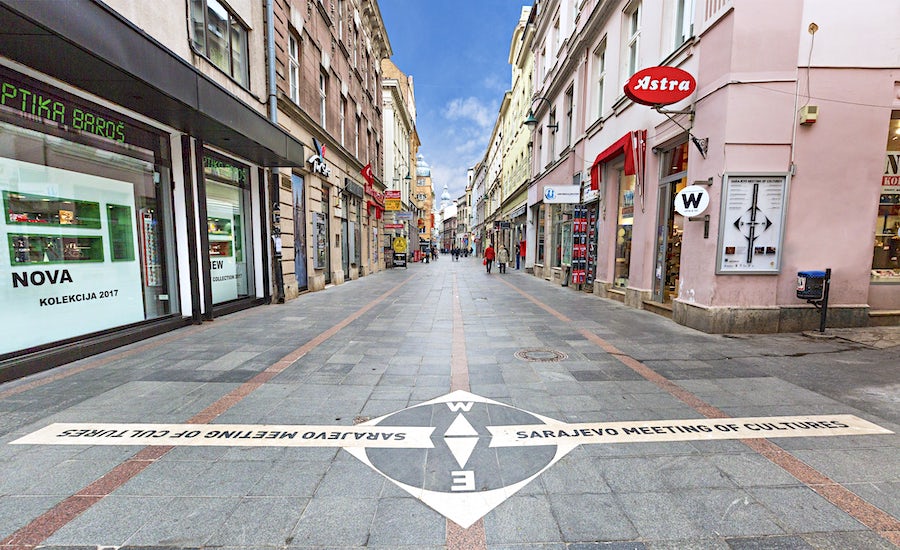
Take a photograph of the spot where East and West meet
As you stand on this spot and turn to face west, the background of your photographs will show “Eastern” or Ottoman Sarajevo, with Gazi Husrev Bey’s Bezistan, Slatko Ćoše (Sweet Corner), Aeroplan, Sarači Street…. rn And if you turn 180° to face east, you’ll have the main walking area in the center of town, Ferhadija, behind you. This street is lined on both sides by structures that were built in a “Western style”, during the period of…
More...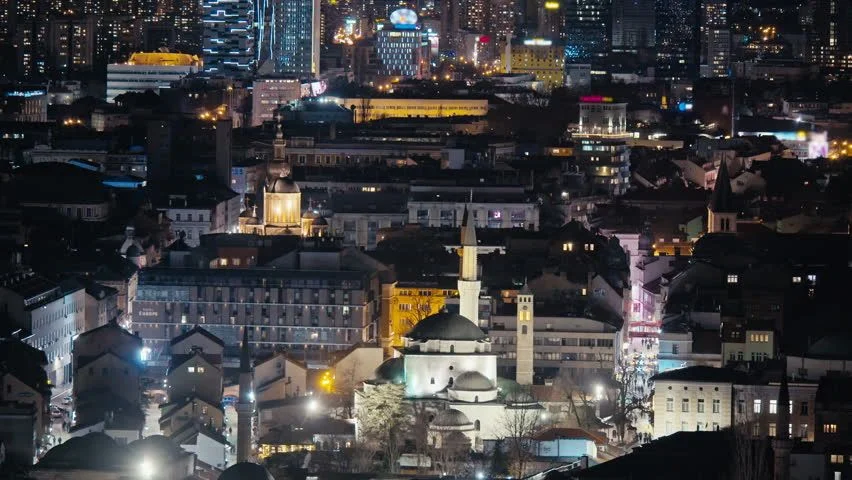
Discover why Sarajevo is called a European Jerusalem
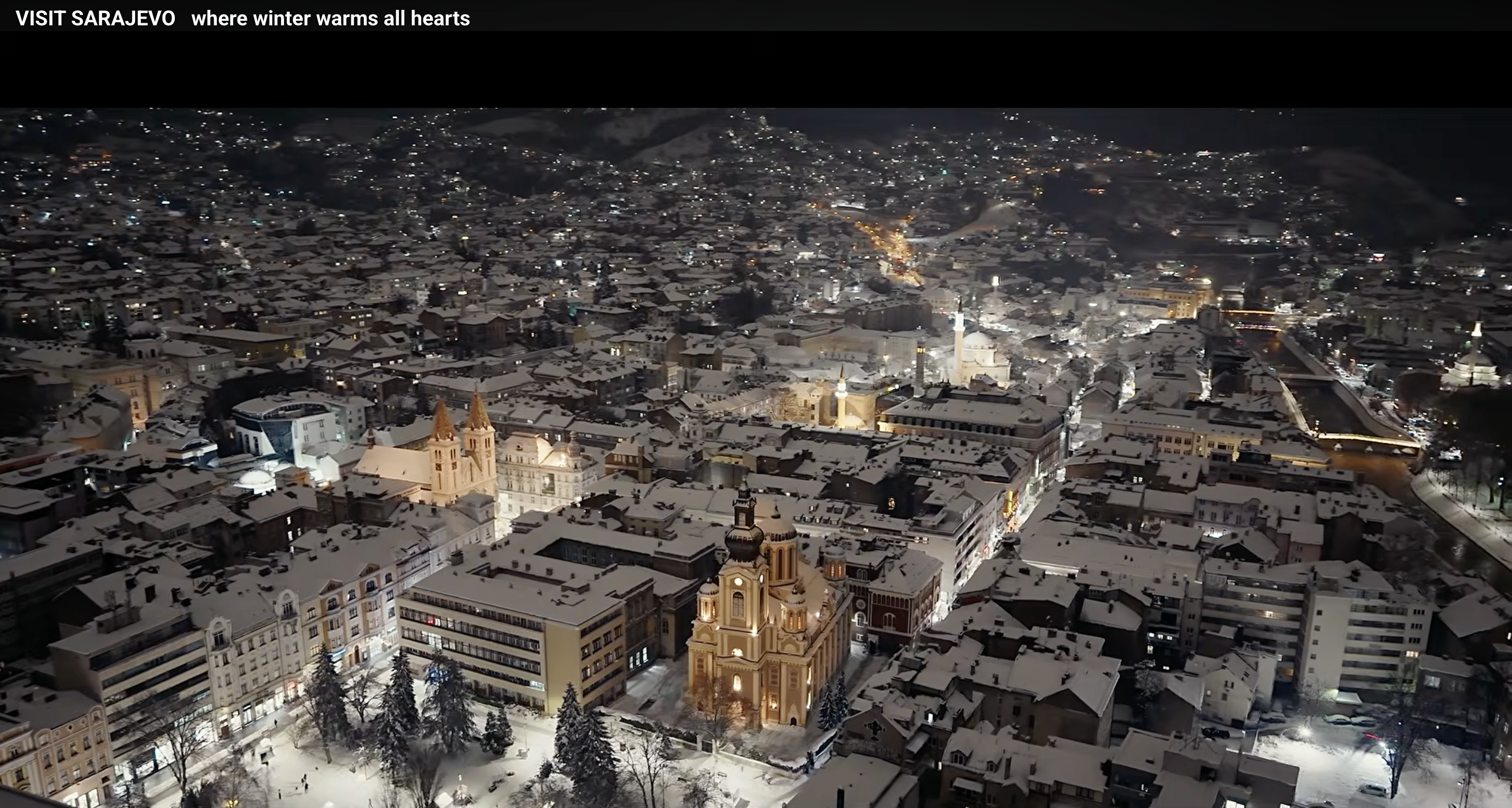
This well-established coexistence in Sarajevo has led to a unique, rich and enchanting mix of cultures which acts very much like a powerful magnet, attracting visitors from all corners of the globe. rn During an easy ten-minute stroll through the center of town, you’ll see Orthodox and Catholic churches, mosques and synagogues, and you’ll discover firsthand why many call Sarajevo a European Jerusalem and why this city serves as a model of coexistence for Europe. rn<ul…
More...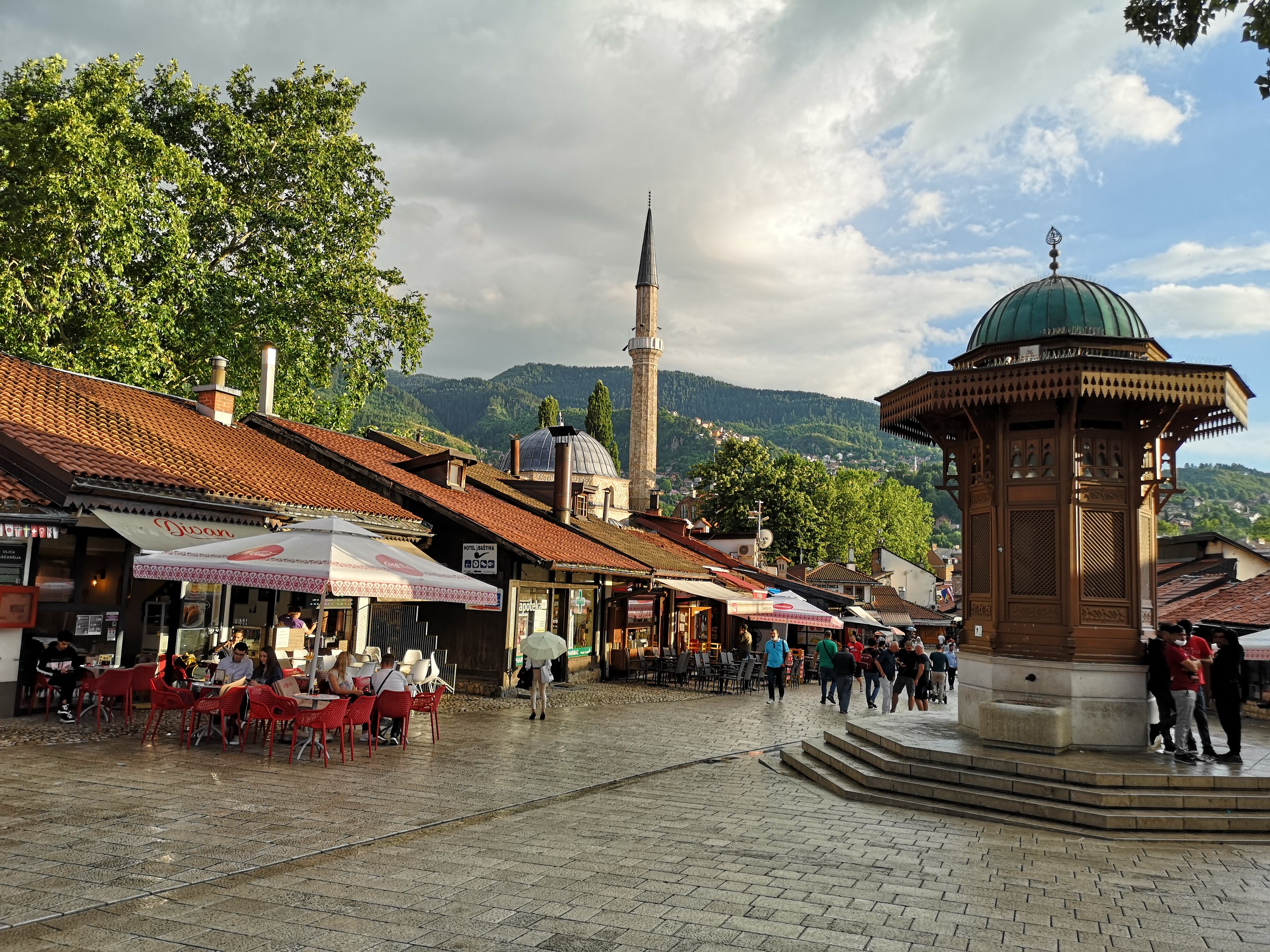
Explore Baščaršija – Sarajevo’s historic core
Baščaršija still has two old covered bazaars, known as Gazi Husrev Bey's Bezistan and Brusa Bezistan, then there’s Gazi Hurev Bey's Mosque, Medresa and Library; Sahat Kula (Clock Tower), the workshops of Sarajevo's famous artisans, Morića Han (inn) and Kolobara Han.... Baščaršija is also the gastronomical center of Sarajevo because it's here in this part of town that you'll find the most popular aščinicas, buregdžinicas,…
More...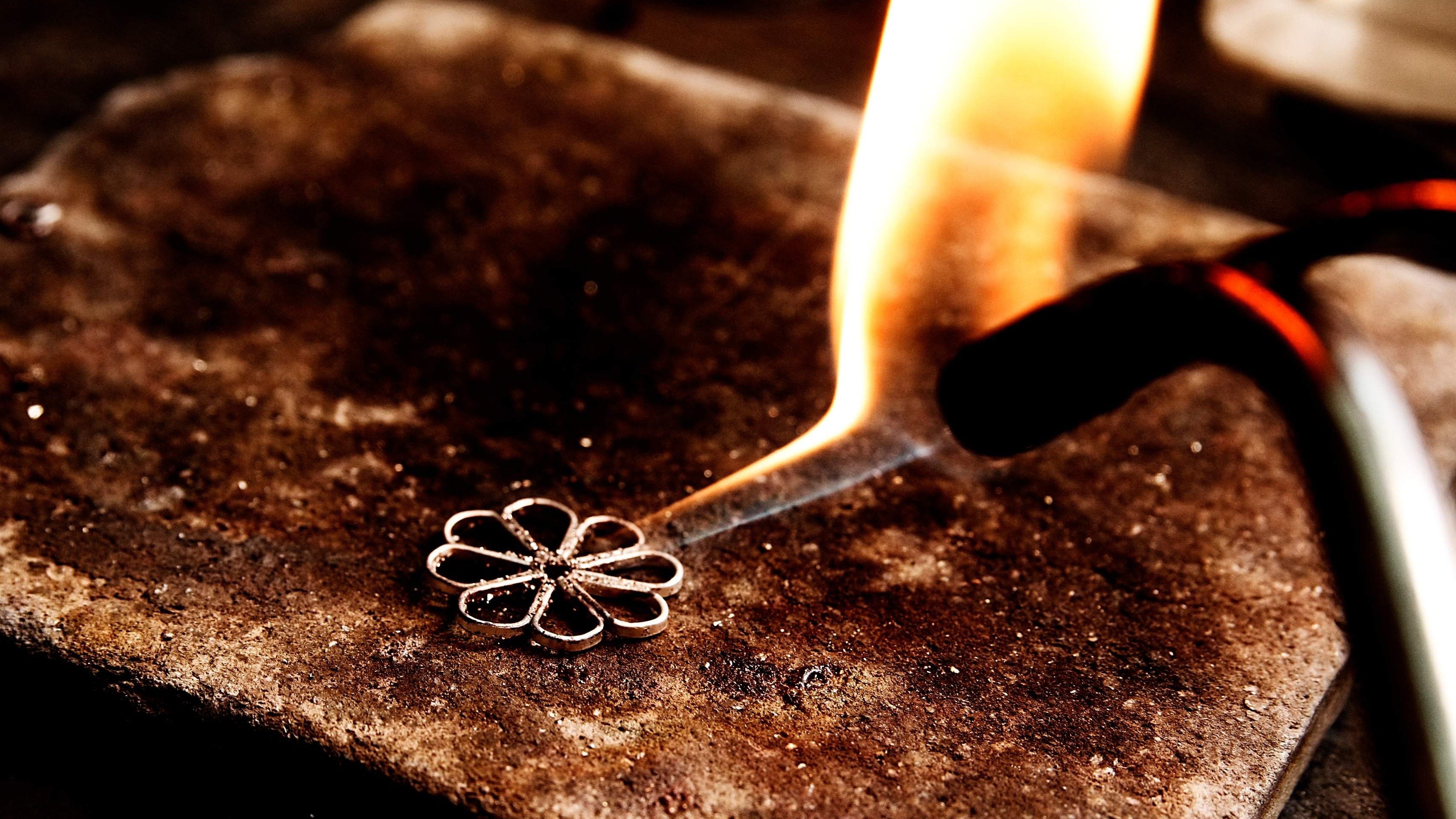
Buy souvenirs from certified artisans
The products made by local artisans, some of which are true masterpieces, are the best souvenirs one can take from Sarajevo. Such items can preserve lasting memories of one's stay or serve as a delightful gift for loved ones. rn While you're shopping, we recommend that you pay attention to make sure that the shops you do business with display the Sarajevo Original Quality Seal, as this is the best guarantee of the authenticity and quality of the artisans and their products. rn<ul…
More...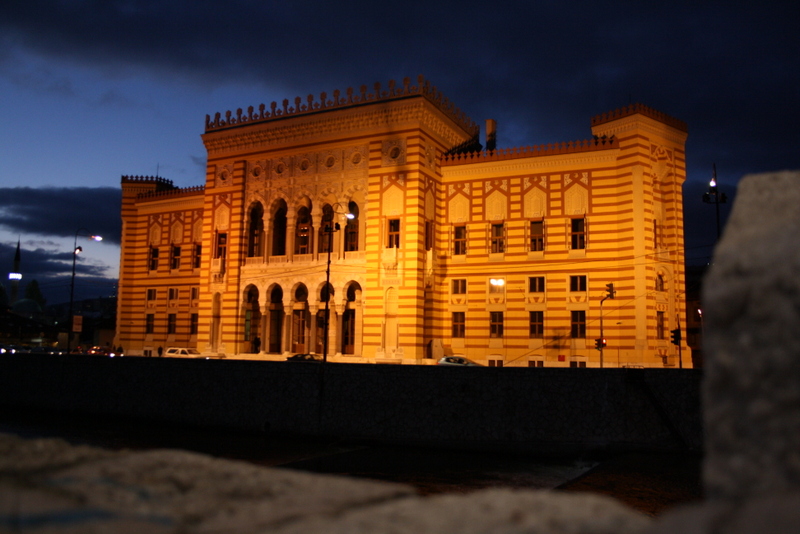
Get acquainted with Vijećnica – a world symbol of the meeting of civilizations
The unique Pseudo-Moorish architectural style, as seen in Vijećnica, is the perfect blend of the Orient and Occident, and the very city where this structure was raised has been a focal point of showing how East and West have been coming together for centuries. rn It is for this reason that Sarajevo Vijećnica serves as a unique world symbol of the meeting of civilizations. rn rn <a…
More...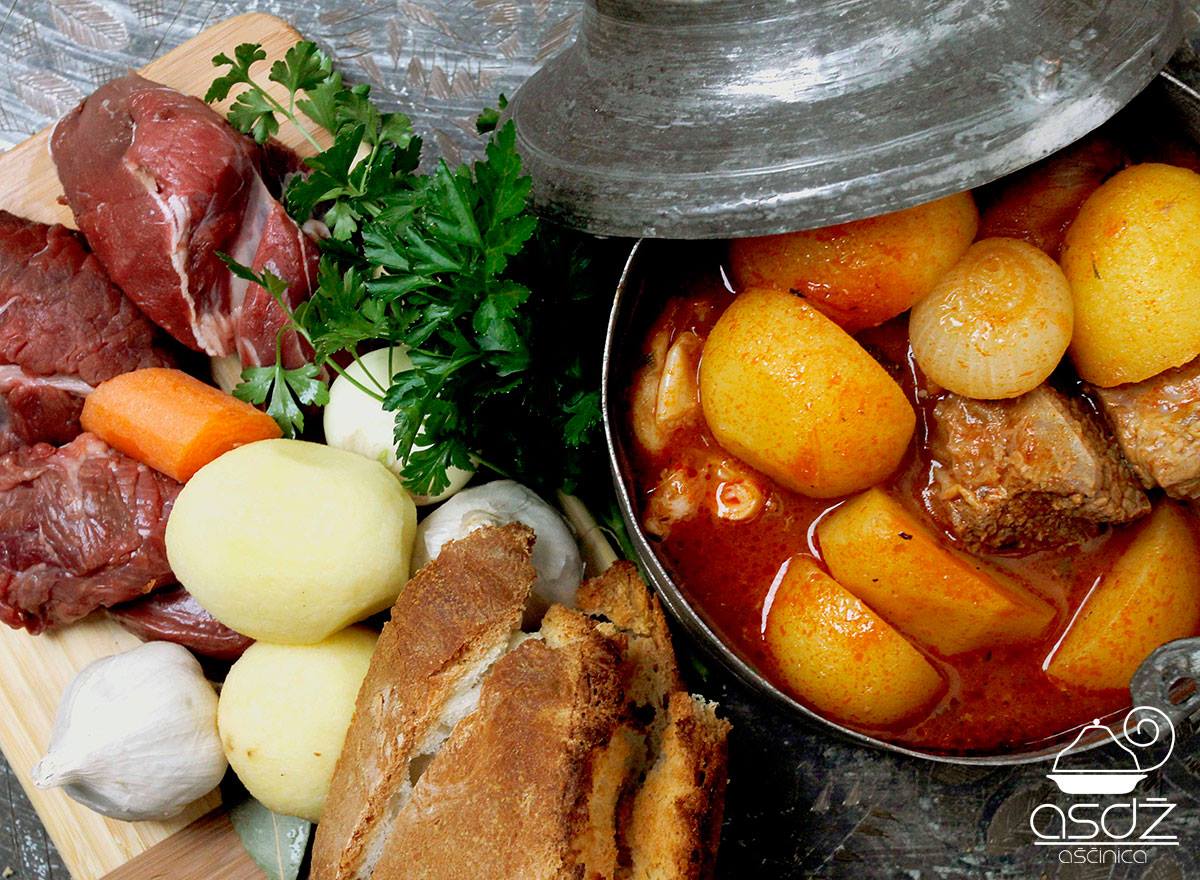
Try some delicious local specialties
You can try traditional meals at aščinicas, traditional “fast food” eateries, where we recommend trying Sarajevo sahan and Bosanski lonac (Bosnian pot). rn Enjoy some different kinds of pita (phyllo dough pie filled with meat, vegetables or cheese) at buregdžinicas and order some of the famous Sarajevo ćevapčići and other tasty grilled meat at ćevabdžinicas. rn At slastičarnas you can try many different kinds of sweets, such as baklava, ružica,…
More...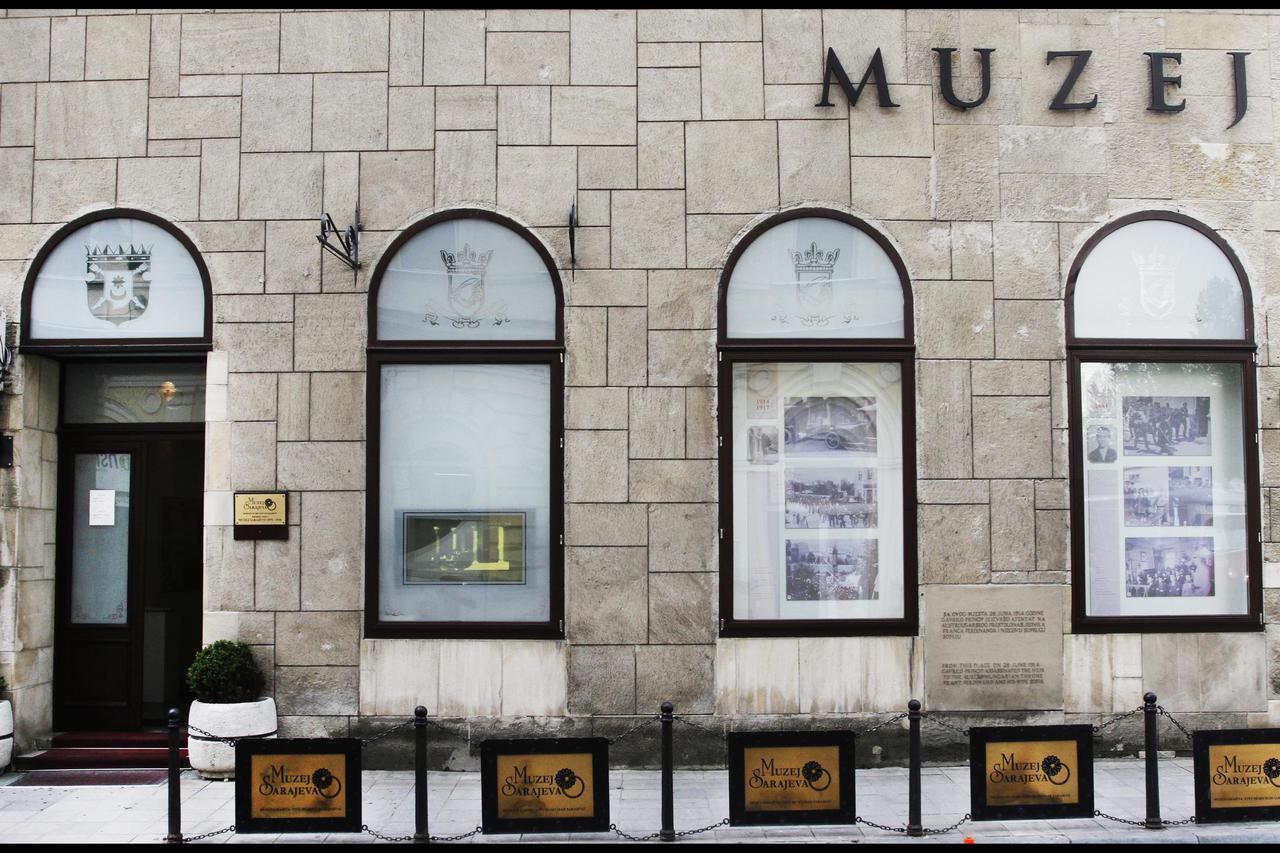
Visit the site of the Sarajevo Assassination
It was here at this spot that Gavrilo Princip, a member of the revolutionary organization, Young Bosna, assassinated the Austro-Hungarian Heir Apparent, Franz Ferdinand and his wife, Sophie, on June 28, 1914. rn The incident, known throughout history as the Sarajevo Assassination, was the primary catalyst for the beginning of the First World War, one of the bloodiest tragedies in human history. rn The assassination was carried out right in front of what was then a shop named…
More...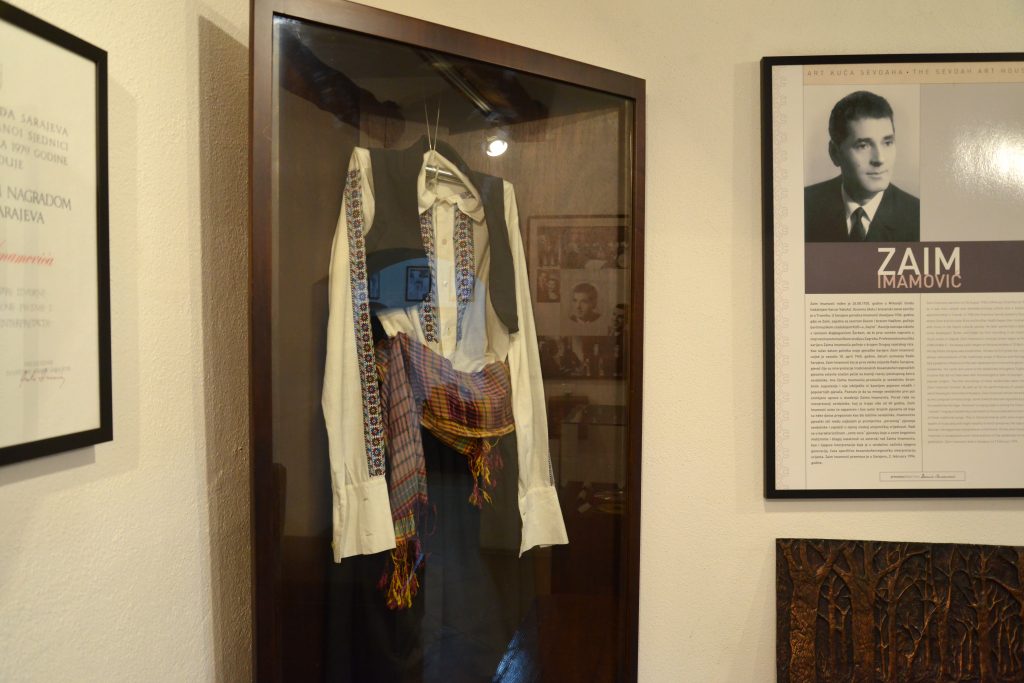
Listen to Sevdalinka – traditional urban folk songs
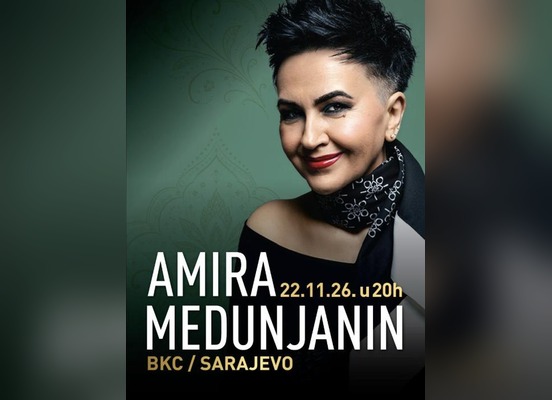
Sevdah has enjoyed a recent renaissance, thanks to representatives on the “new sevdah scene”, like Mostar Sevdah Reunion, Amira Medunjanin, Damir Imamović, Divanhana..., all of whom have opened up sevdah to influences from other musical genres and helped to popularize it around the world. rn Sevdah concerts are often held in Sarajevo and you can also hear sevdalinka in many Sarajevo cafés. The permanent exhibit at Sevdah Art House tells the story of sevdalinka songs…
More...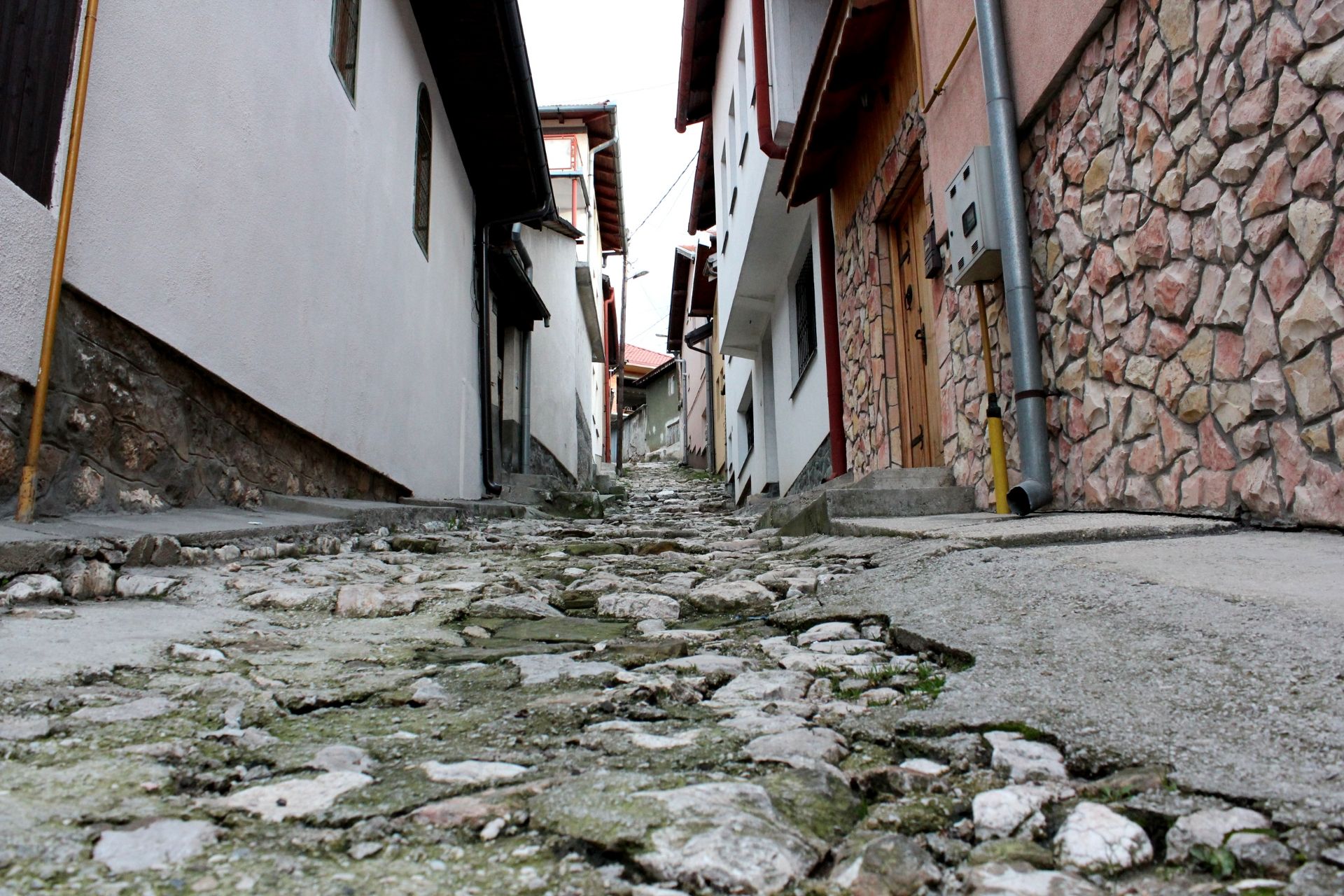
Lose yourself as you explore Sarajevo's mahalas
A mahala usually had a mosque in the center, along with its mekteb (religious school for youngsters) and a harem (a courtyard with a cemetery). The mahala would also have a public fountain, a bakery and a shop. rn People looked out for their neighbors and the basic rule that was followed when building a house was to give one's neighbor “the right to a view”, so the houses were built on slight inclines. rn While today's communities look very different from those of the…
More...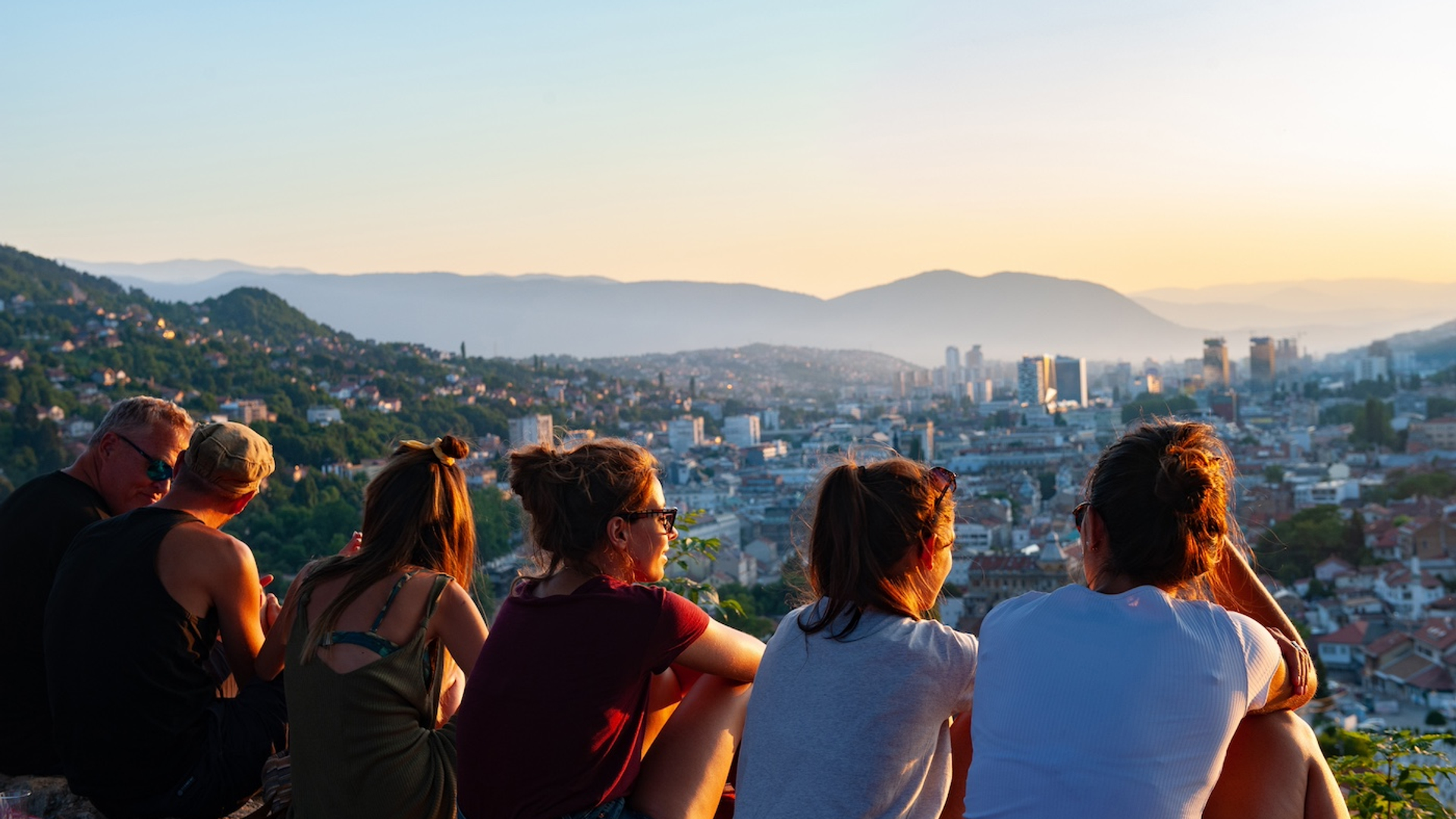
Enjoy a view from one of the vantage points around town
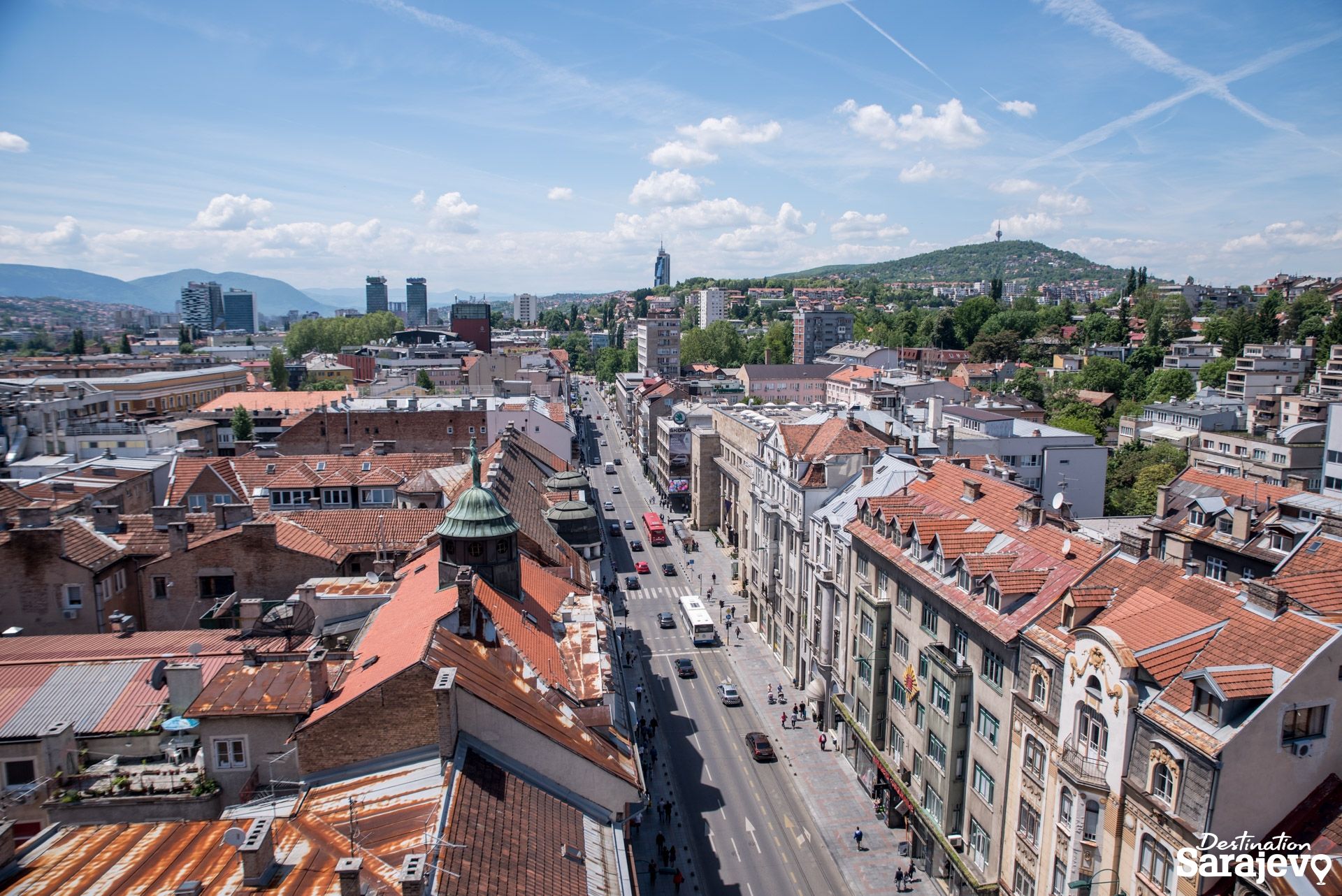
Whether you decide to reach one, like Hecco Deluxe Hotel's restaurant, Žuta Tabija, Avaz Twist Tower… by walking a short distance in town; or make more of an effort by climbing all the way up to Bijela Tabija, Hrid, Hošin Brijeg, Sedrenik, Zmajevac..., you're sure to enjoy the view. rn In the end, the most impressive view of the city is probably from one of the overlooks on Mt. Trebević, which is also where a large amount of Sarajevo’s old town is nestled. rn<ul…
More...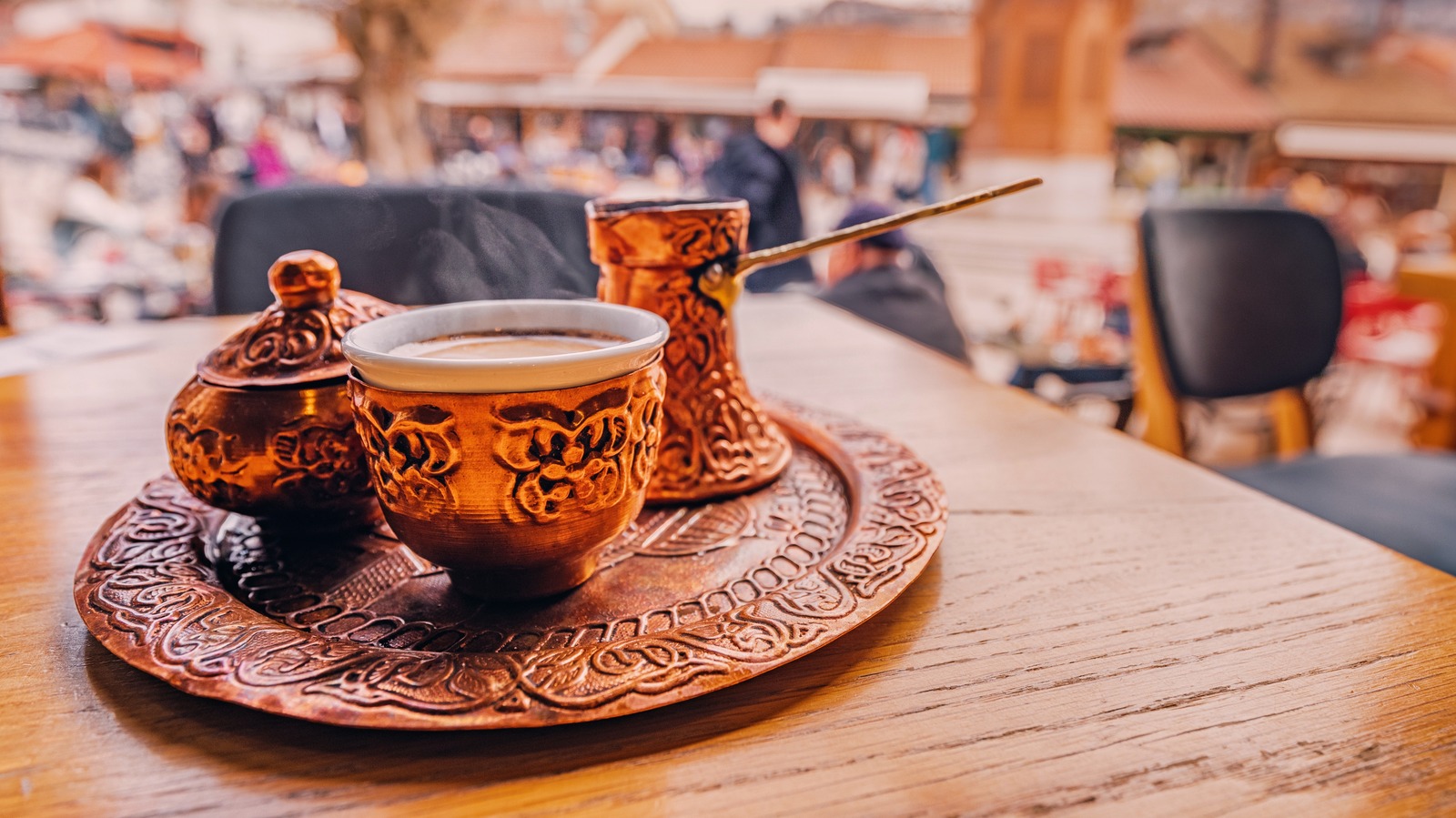
Savor some Bosnian coffee and Turkish delight
Whether finely ground or pounded in a dibek (a large stone mortar and pestle), the coffee is boiled in a special copper vessel called a džezva and the traditional coffee set (kahveni takum) includes a tabla (tray), šećerluk (sugar holder) and fildžani (demitasses without handles). rn The coffee is served with Turkish delight (rahatlokum) and drunk slowly with ćejf (equivalent to savoring every moment spent sipping)! Know that an invitation to drink coffee in Sarajevo is seen as a…
More...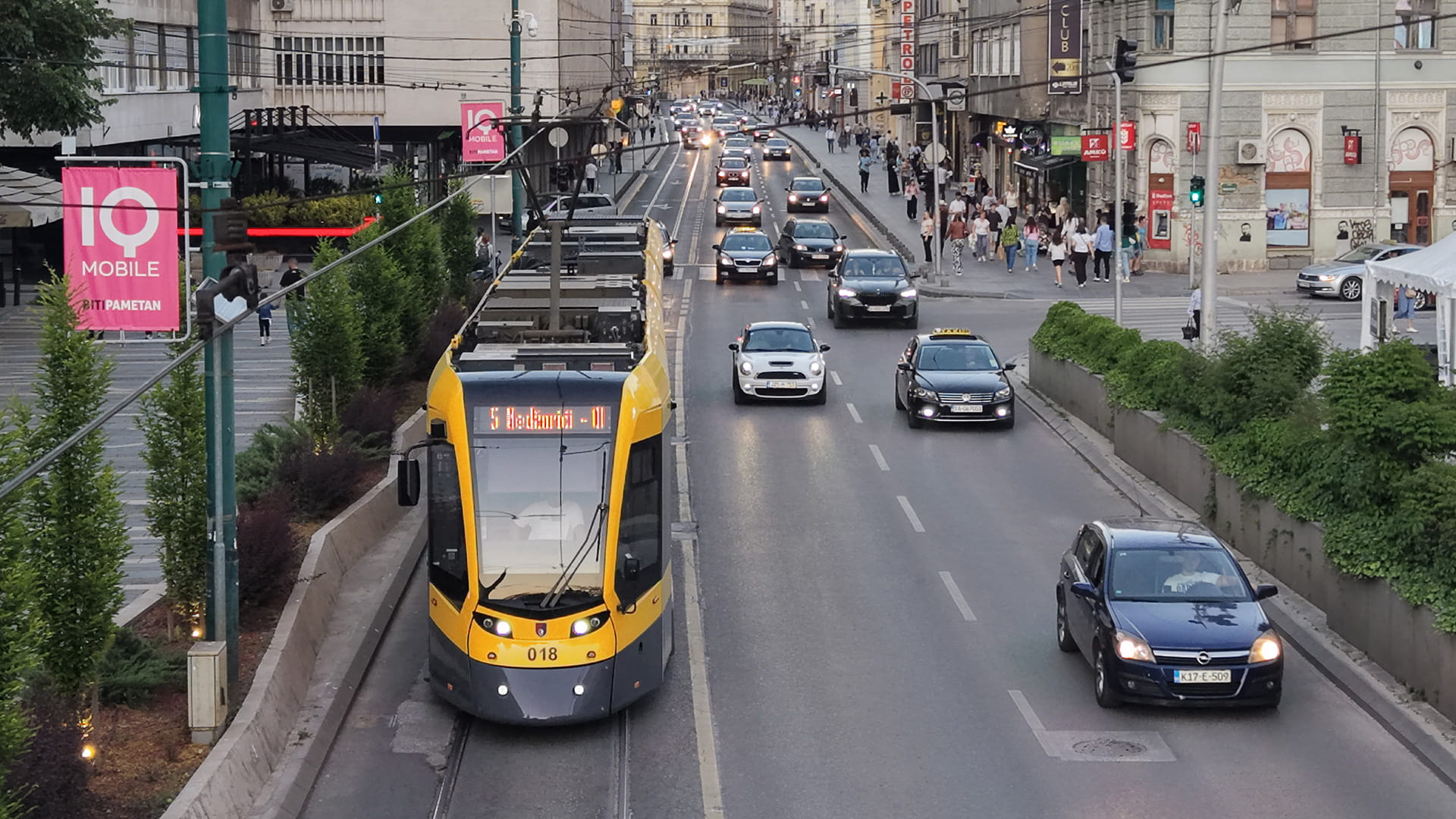
Make a loop on a Sarajevo tram
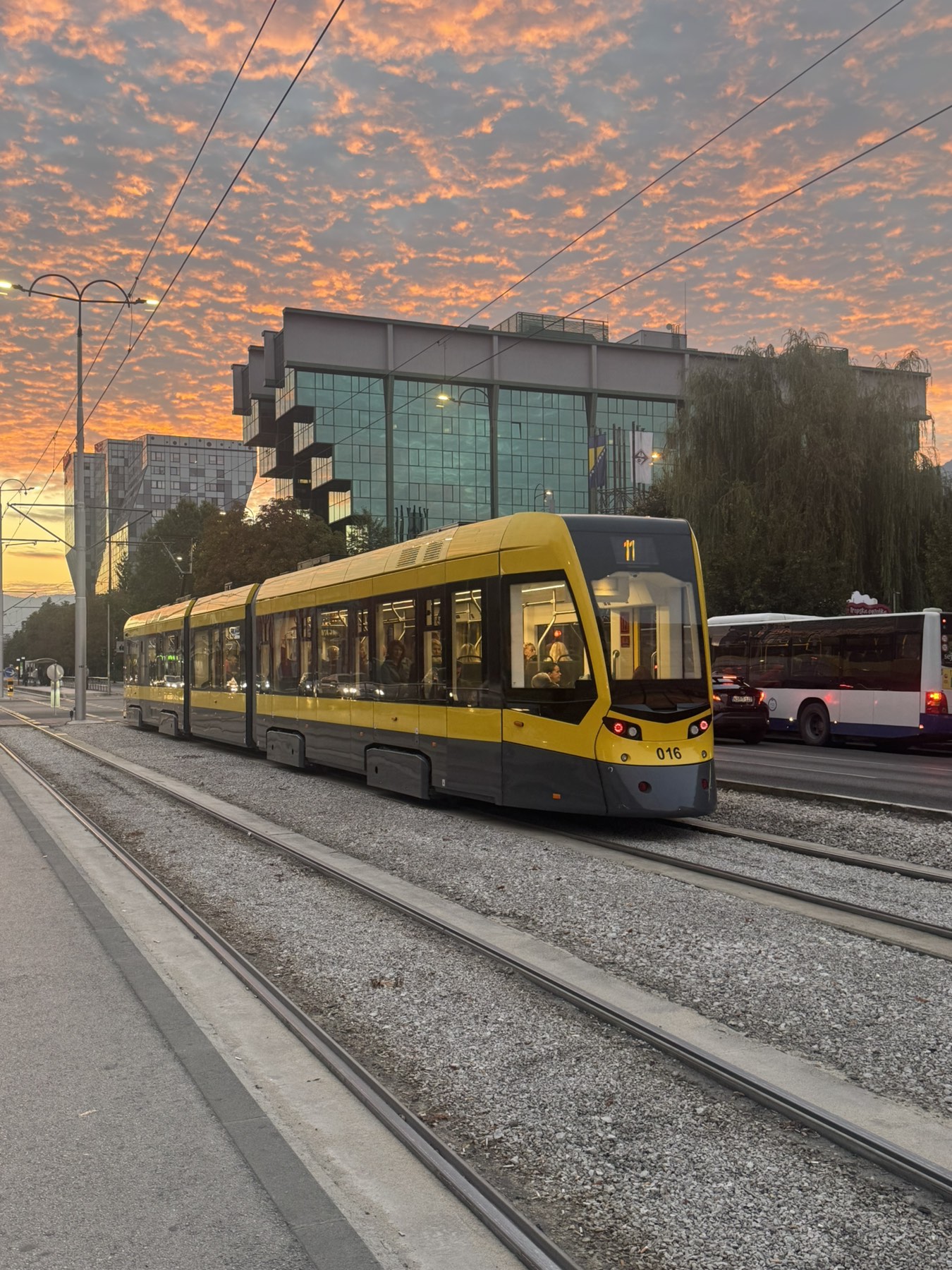
It was only ten years later that Sarajevo's tram began to run on electricity and ever since then this form of public transport – both the oldest and the favorite – has shared in the destiny of Sarajevo and its residents. rn Today the tram tracks run parallel to the right bank of the Miljacka and run from Baščaršija to Ilidža. There are seven different lines, which have a total track length of about 23 kilometers, so taking a tram ride is one of the best ways to…
More...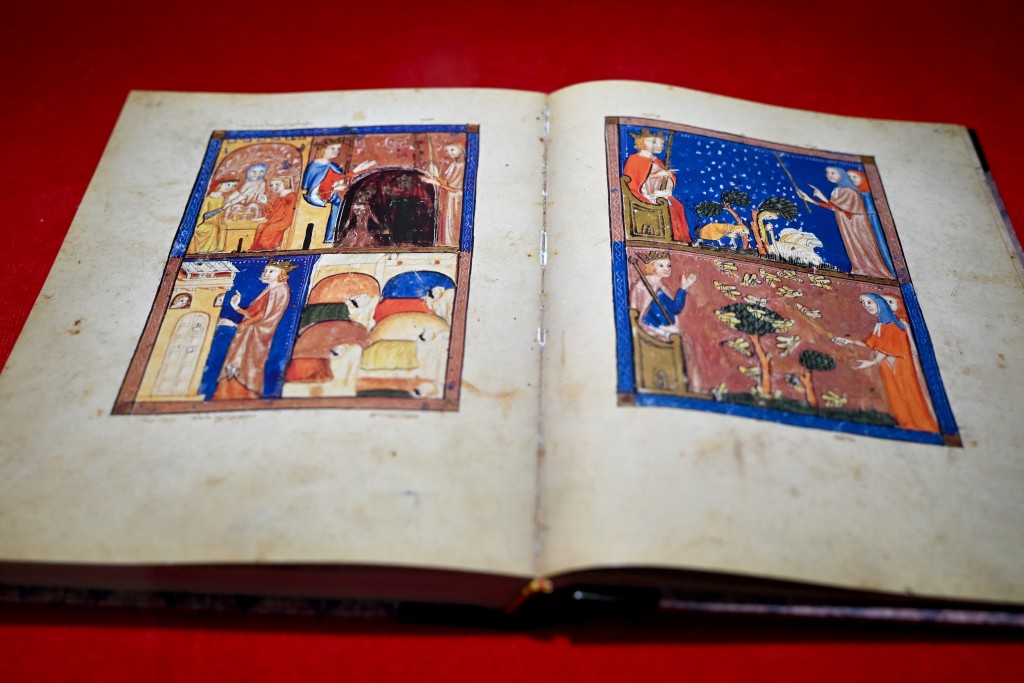
Become acquainted with the Sarajevo Haggadah
It is presumed that the book was brought to Sarajevo sometime during the 16th century by the Sephardic Jews who found refuge in the lands of the Ottoman Empire after being expelled from Spain. rn There are many interesting and intriguing stories about the Sarajevo Haggadah, which is currently housed in a special room at the National Museum of Bosnia and Herzegovina. rn rn «…
More...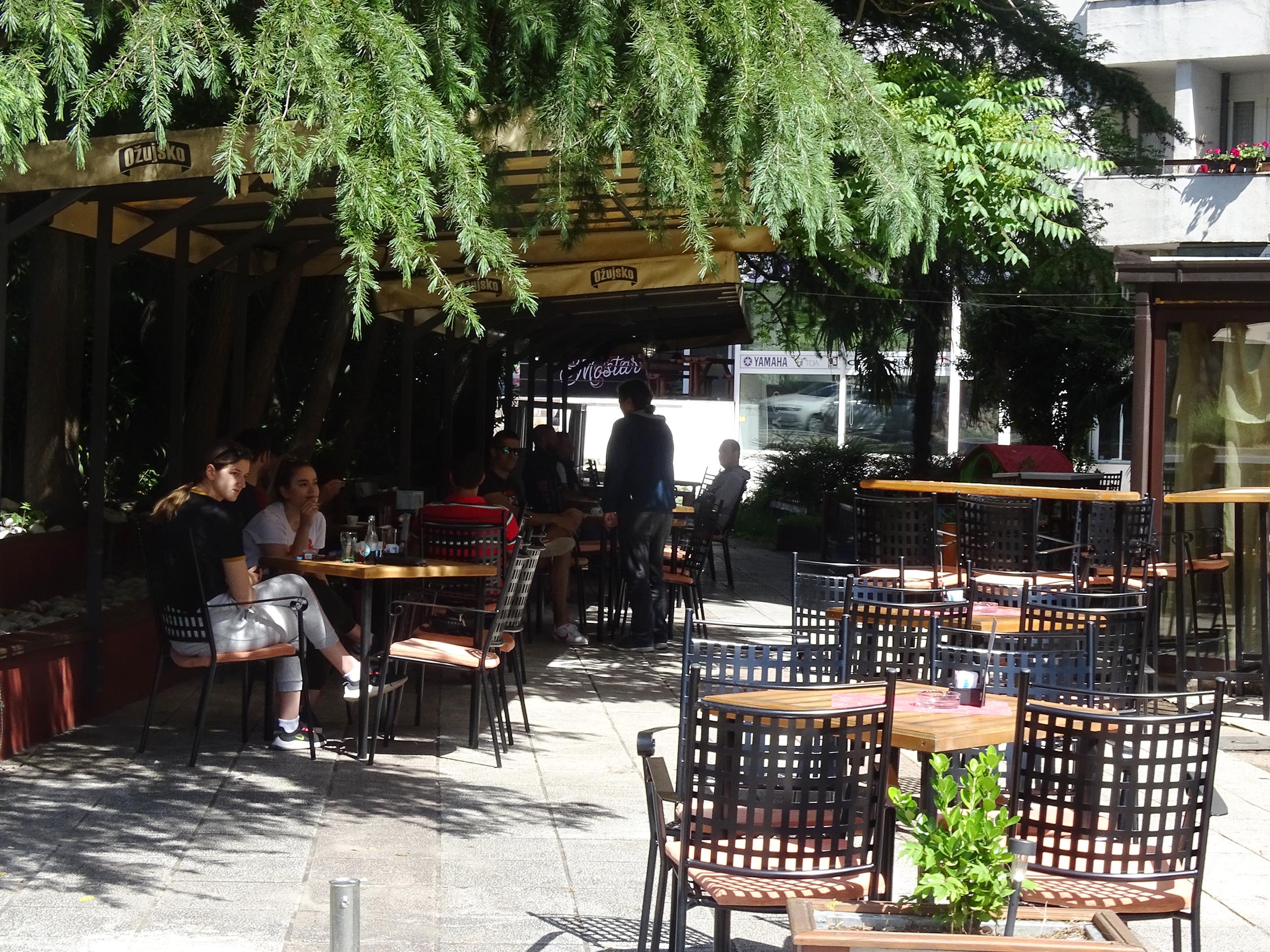
Take a stroll along Wilson's Promenade and visit Tito Café
Closed to motor traffic on weekdays after 5:00 p.m. and on weekends and holidays, it's at these times that this green oasis in the middle of Sarajevo is teeming with visitors. rn Tito Café is one of several cafés located along the Promenade and is housed in the Historical Museum of BiH. rn This unique café, which is definitely one of many attractions worth visiting, is entirely dedicated to Josip Broz Tito, the legendary Partisan Commander of the Second World…
More...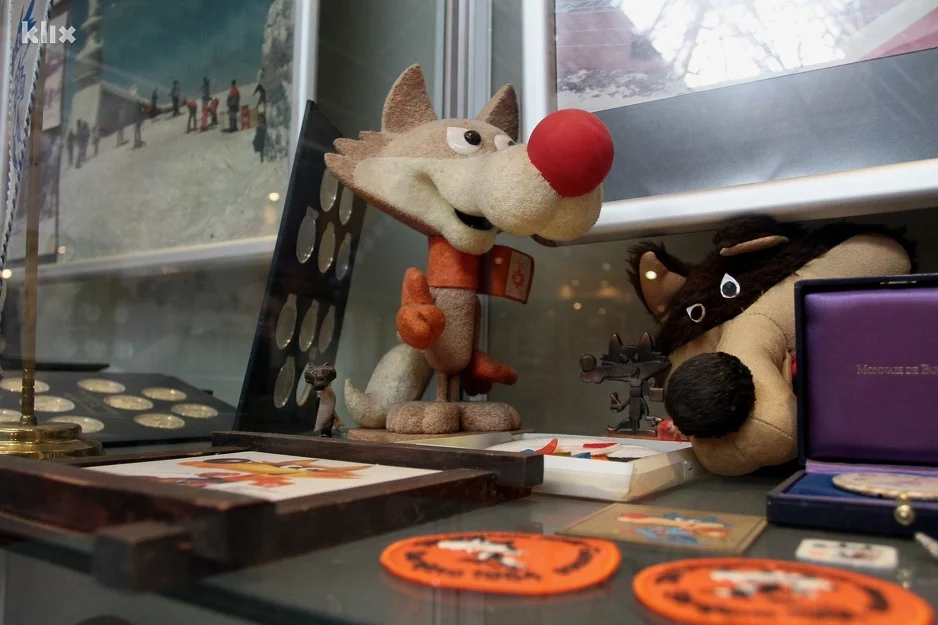
Discover Sarajevo's Olympic spirit
When searching for “the spirit of Olympic Sarajevo”, it's best to start at the Olympic Museum of BiH. The old museum was engulfed in flames in 1992, so the collection is now located in the same building as the Olympic Committee of BiH, next to the Juan Antonio Samaranch Olympic Stadium (Zetra). rn You should also definitely make a point of visiting the Olympic Mountains – Trebević, Bjelašnica, Jahorina and Igman – and it would be interesting to visit the…
More...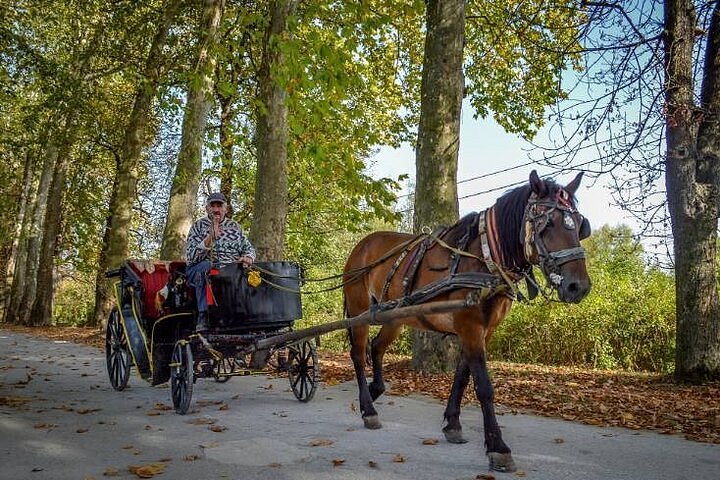
Take a ride in a horse-drawn carriage along Velika Aleja to Vrelo Bosne
“Aleja” runs from the well known hotel and bath complex in Ilidža all the way to the loveliest and most popular excursion destination in Sarajevo – Vrelo Bosne. This natural monument covers more than 600 hectares at the foot of Mt. Igman and is a real natural gem. rn One of the best ways to reach Vrelo Bosne is to take a horse-drawn carriage along the Aleja. These carriages have been in use since 1895 and the ride will be an unforgettable experience. rn<ul…
More...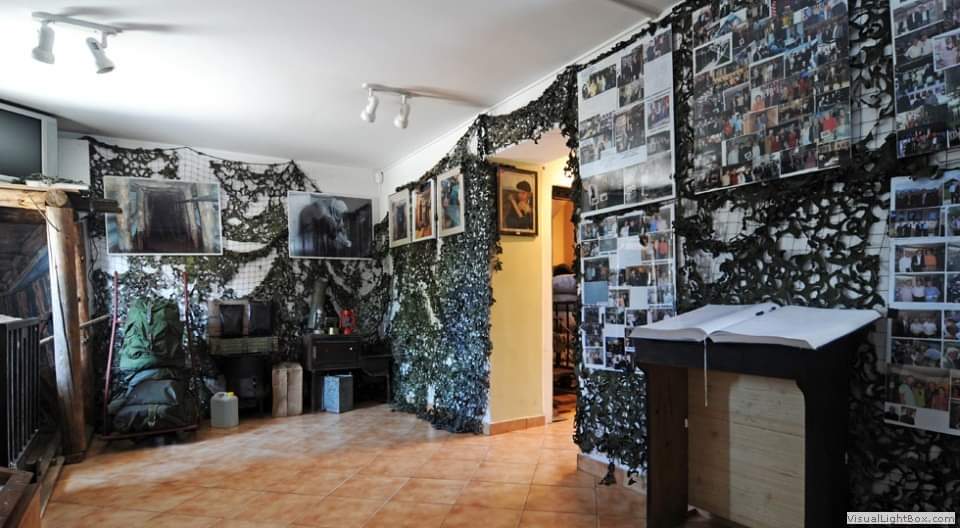
Visit the Tunnel of Hope and learn more about the Siege of Sarajevo
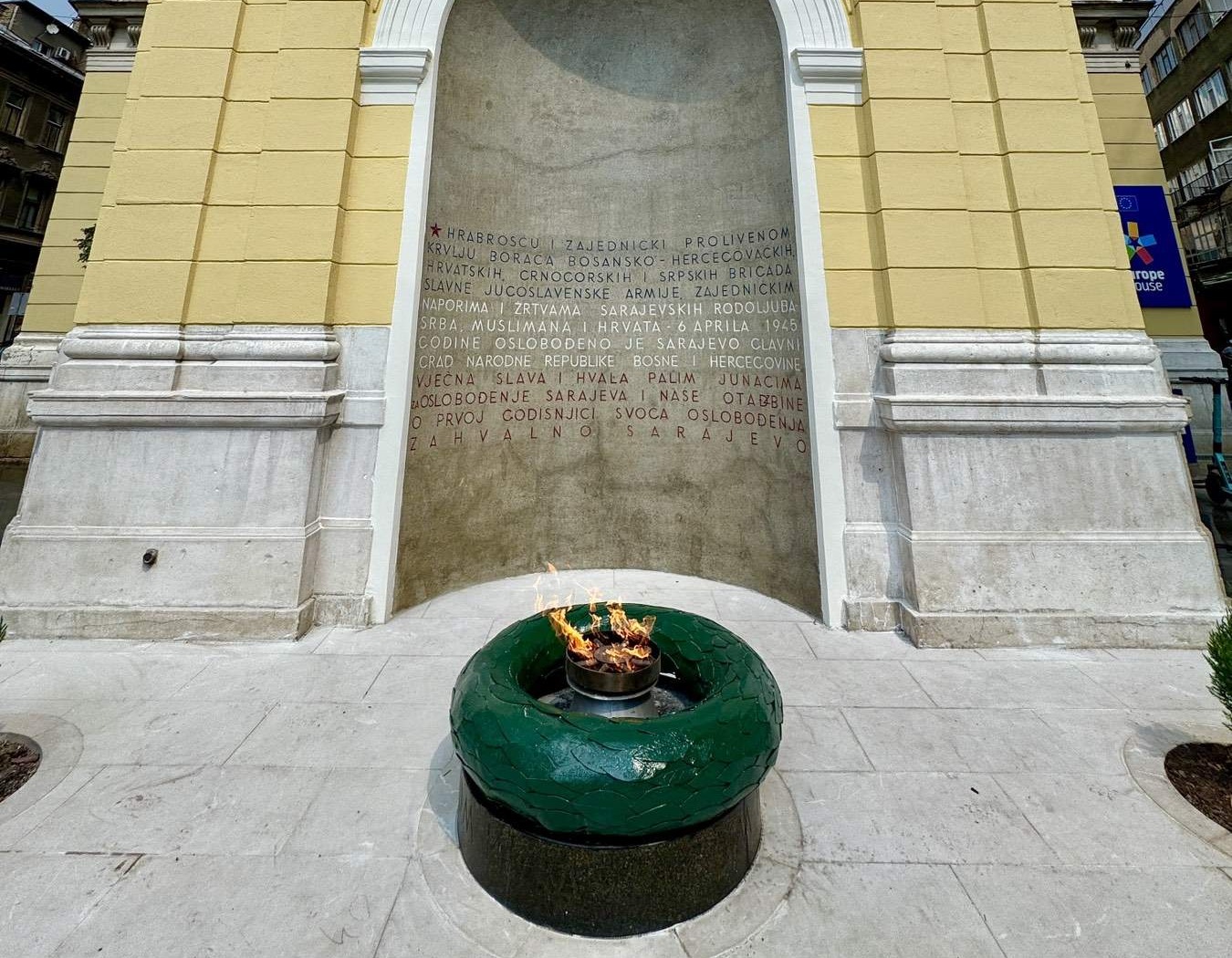
For two and a half years, this 800-meter-long tunnel, which is a little over a meter wide and 1.5 meters high, made it possible for Sarajevo to have access to food, electric energy, medical supplies, fuel, weapons…. rn About 20 meters of the tunnel, along with the houses that connected to it on the Hrasnica side, later became part of the Tunnel of Hope Museum. The permanent exhibit documents the Siege of Sarajevo, which lasted 1,425 days – the longest-running siege of any…
More...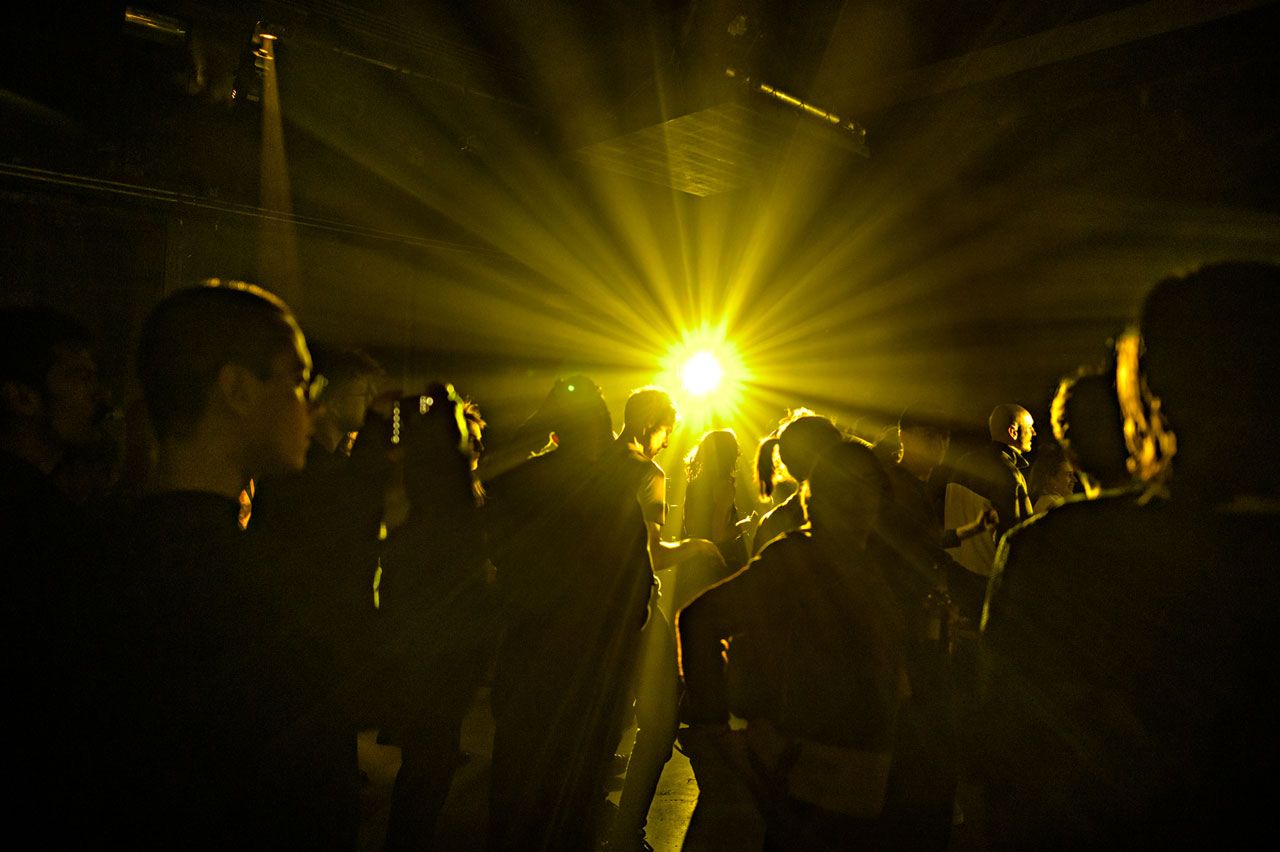
Discover Sarajevo's cultural scene and nightlife
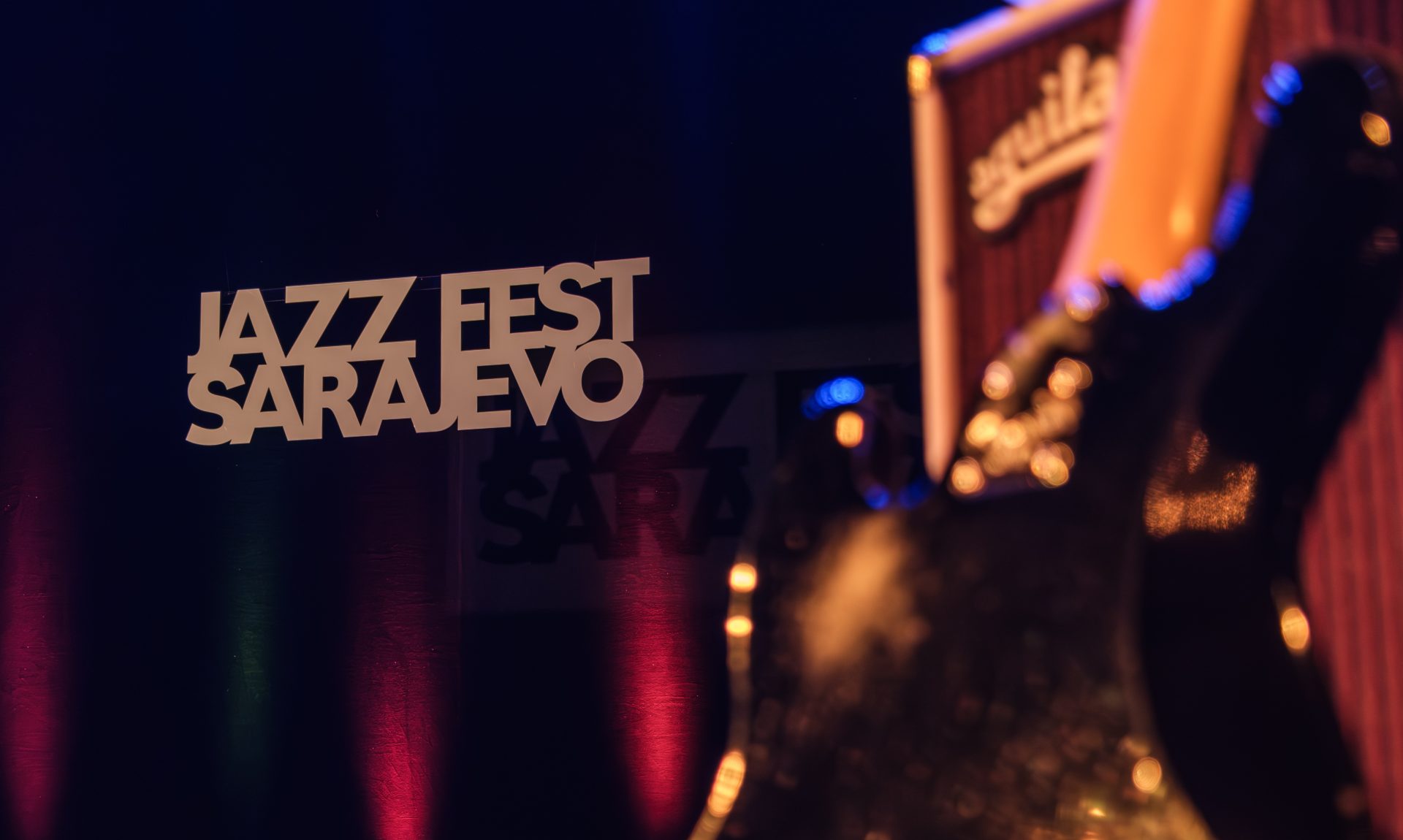
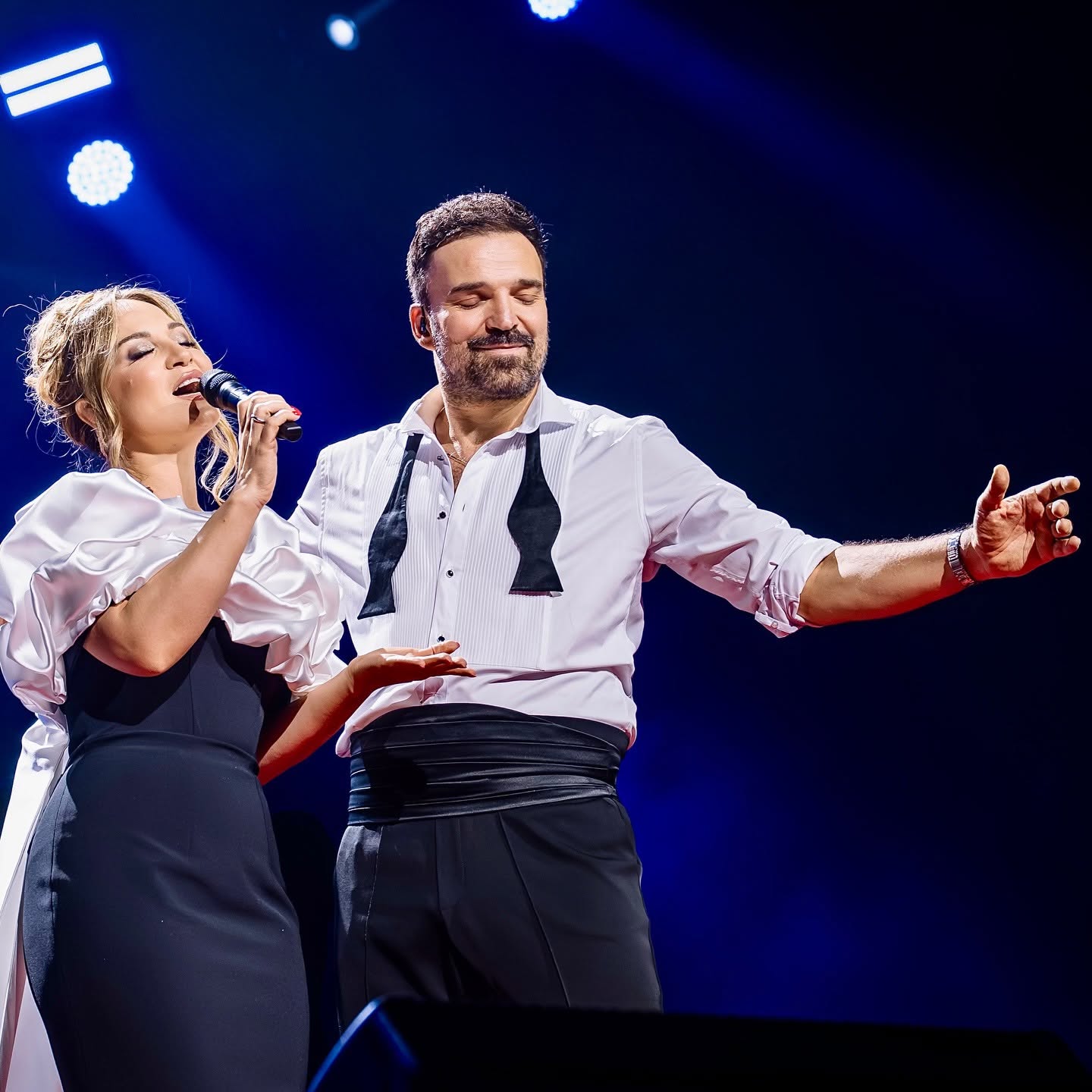
Cultural festivals really are the events that make Sarajevo's cultural scene so special and the most important ones are: Sarajevo Film Festival, MESS, Jazz Fest Sarajevo, Sarajevska Zima.... rn If you're looking to spend a fine evening out, you should know that Sarajevo’s clubs, pubs, bars, cafés and restaurants really do offer a wide range of options. rn You can enjoy everything from a quiet evening out to wild and crazy nightlife. rn rn <a…
More...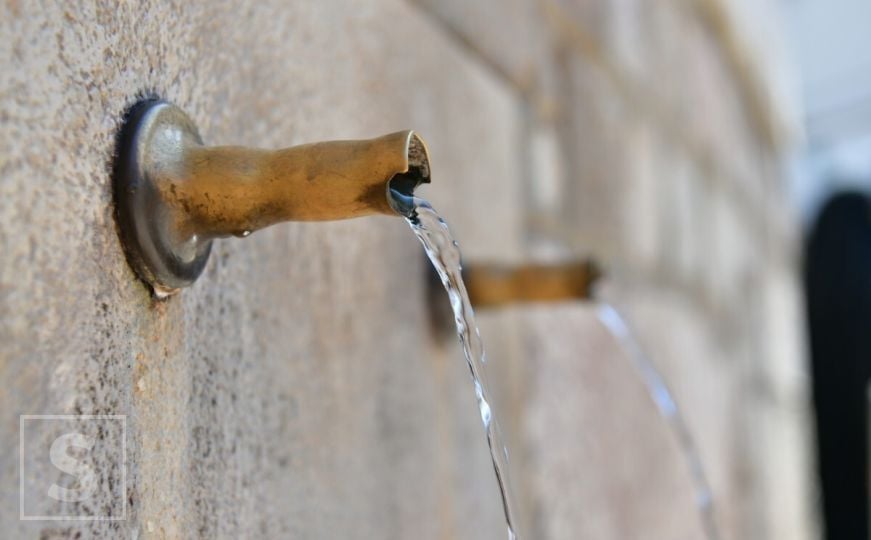
Drink some water from the fountain at Gazi Husrev Bey's Mosque
This tradition of establishing a vakuf, and leaving something behind that will be of service to others for generations to come, had a profound influence on the development of Sarajevo. rn In addition to religious structures, bridges, schools, public kitchens..., good people would often provide funding for public fountains, so as to provide water for those who were thirsty, while also earning spiritual merit for doing a good deed. rn There is one such fountain right next to Bey's…
More...