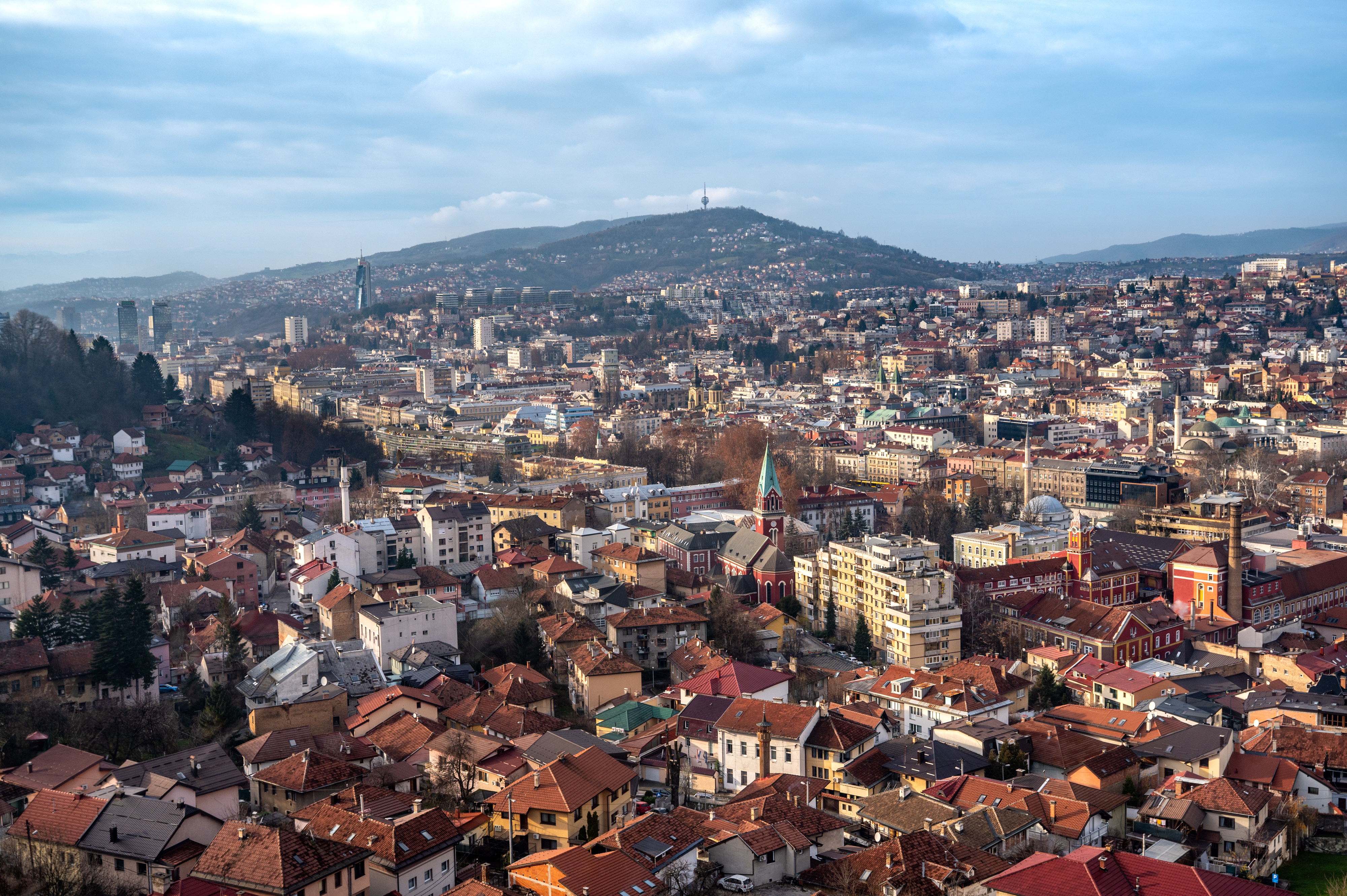





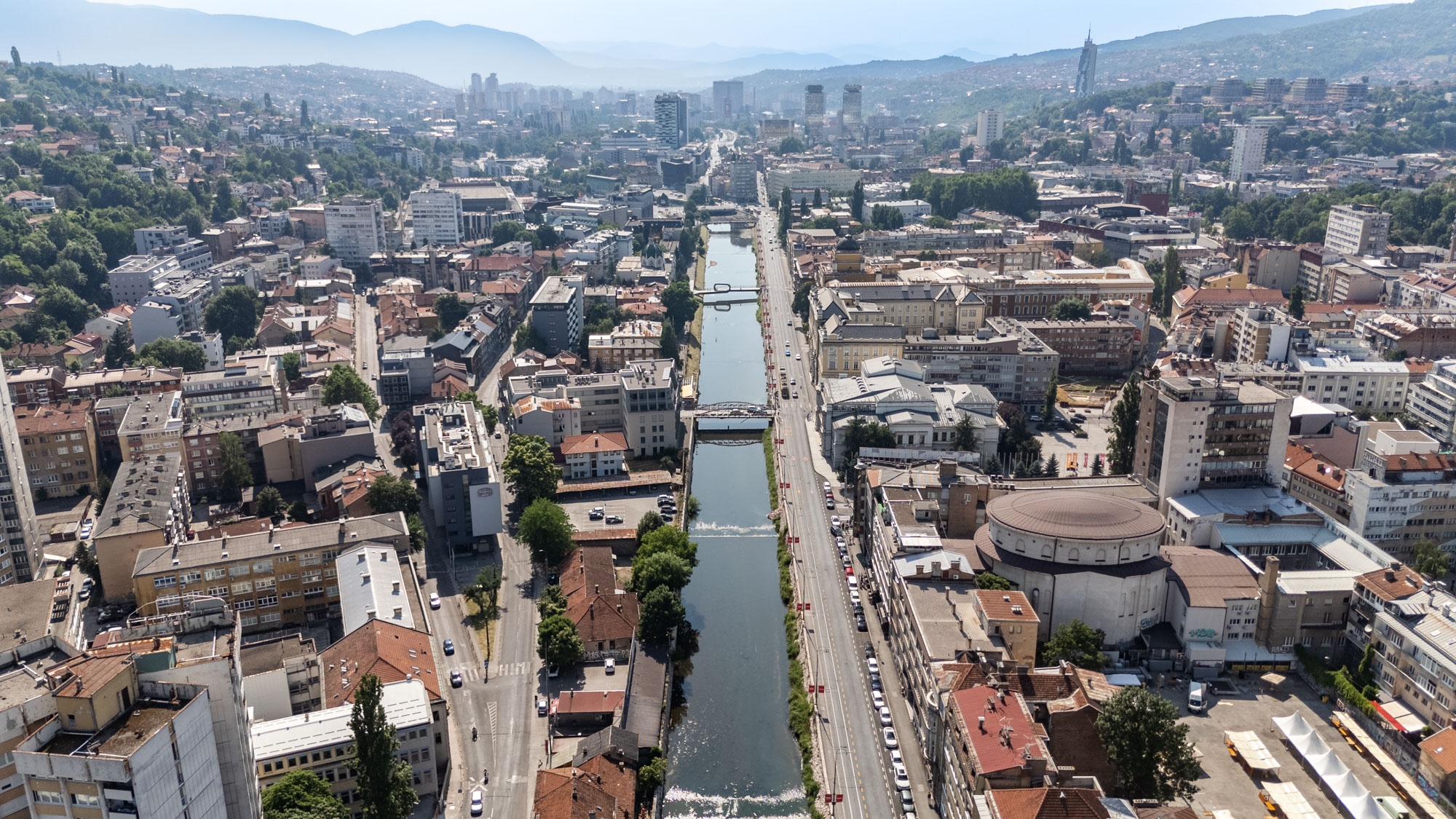

The history of crafts in Sarajevo is as old as the city itself, which was founded by Isa-Bey Ishaković on the banks of River Miljacka back in 1462.
/
Sarajevo stories
History of crafts in Sarajevo
Updated: 07 November 2026
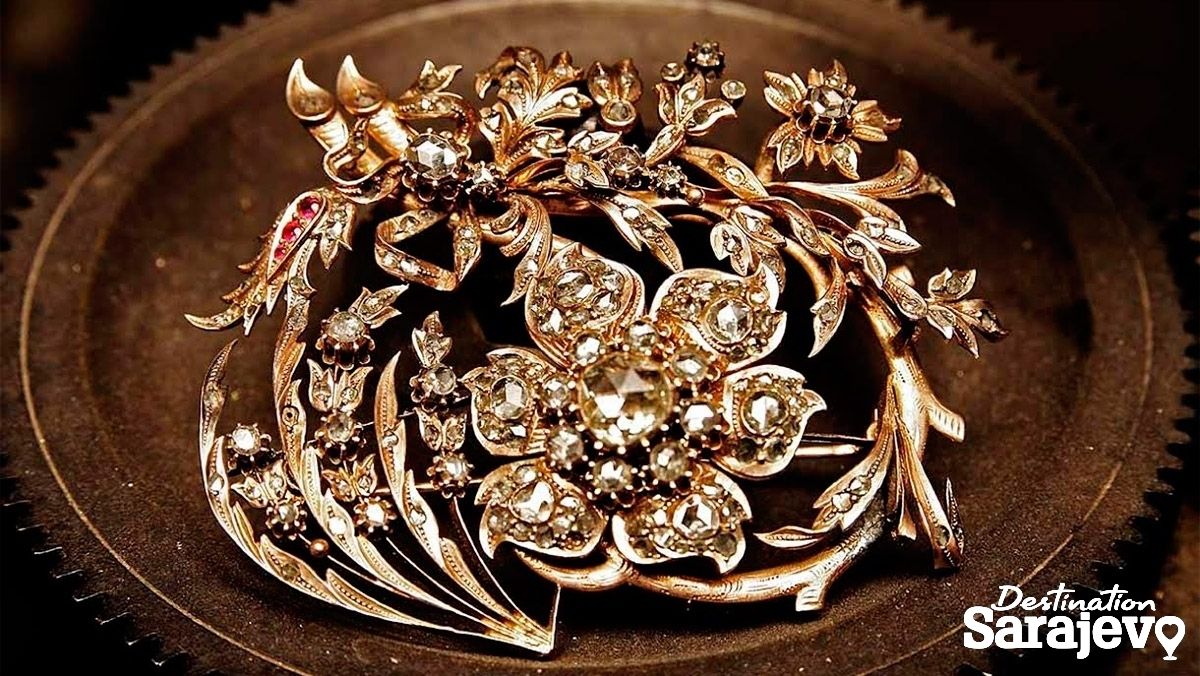
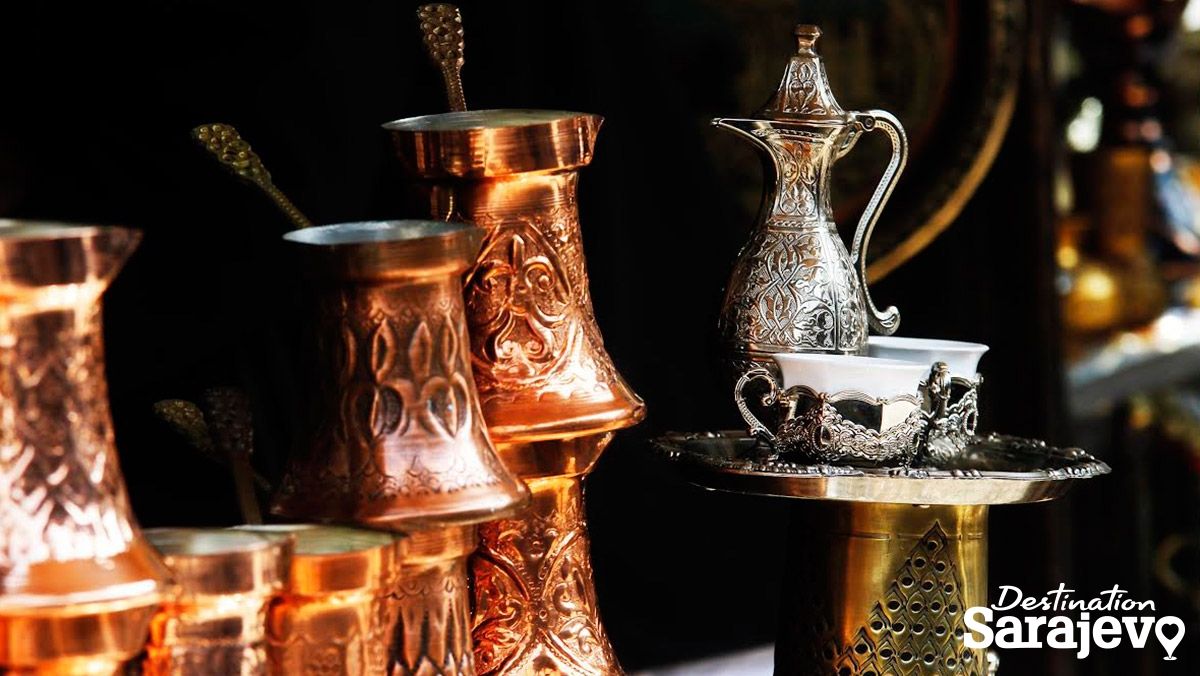
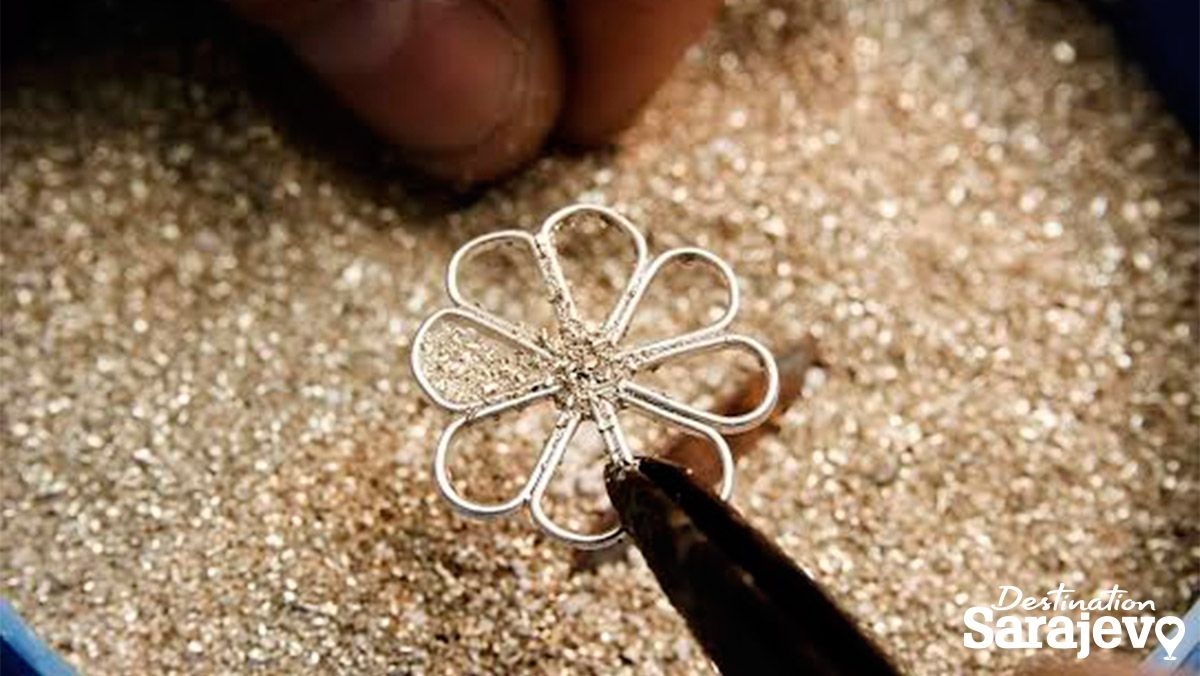
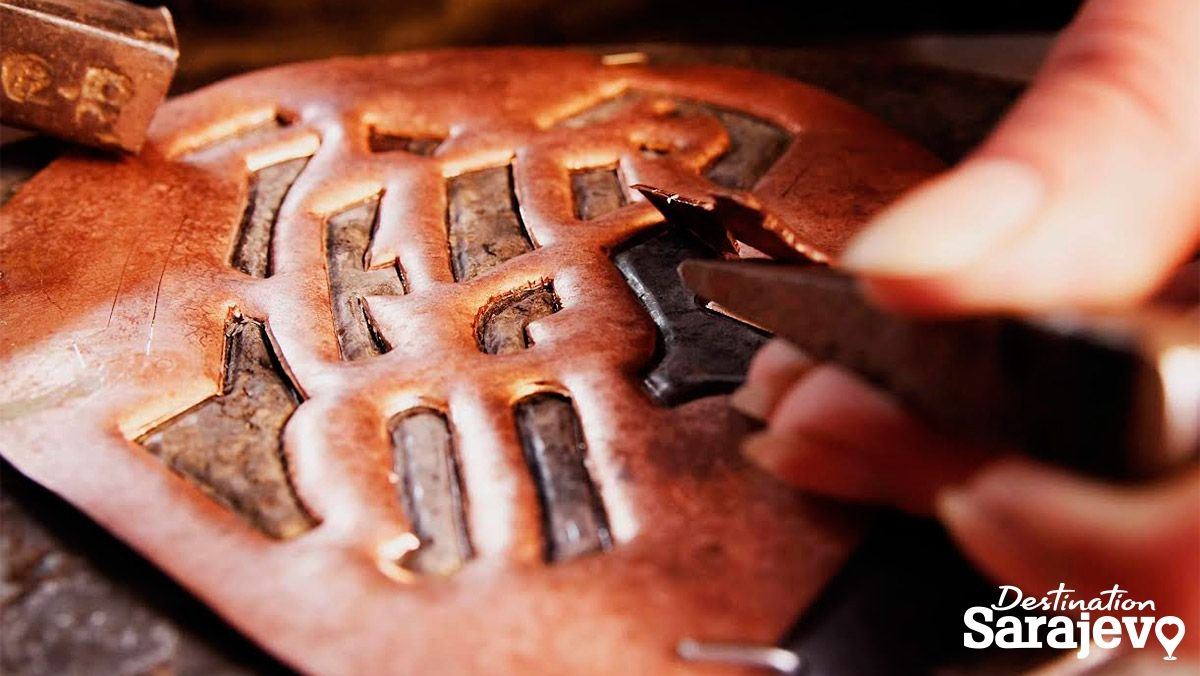
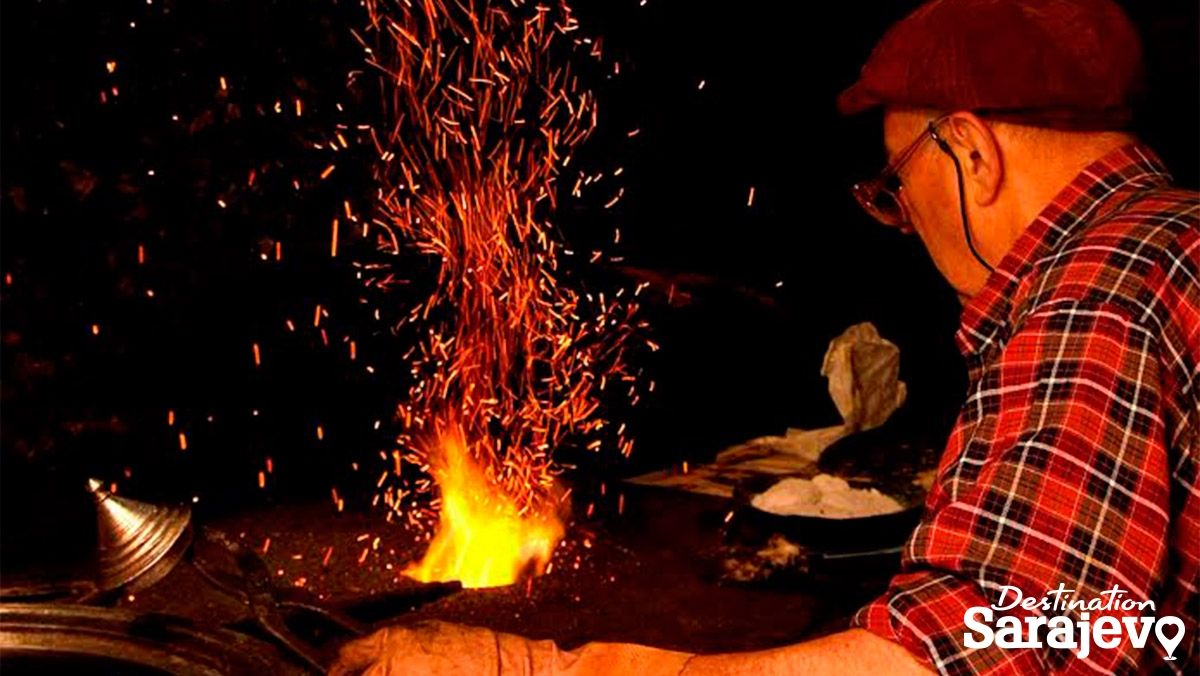
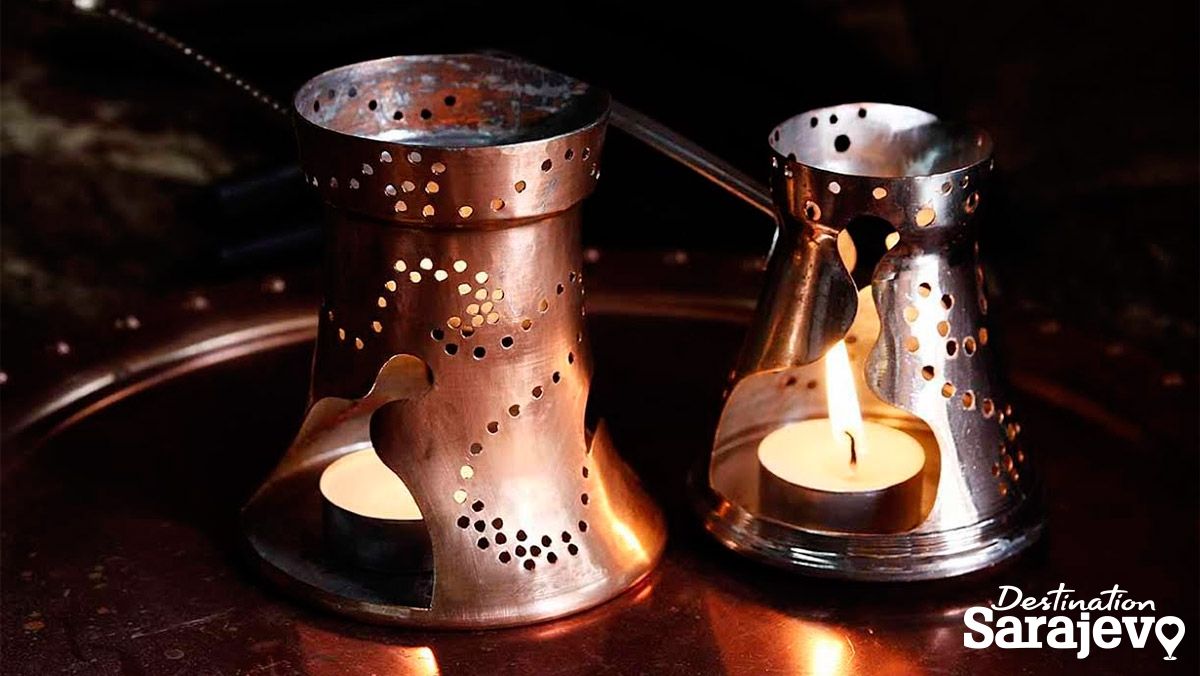
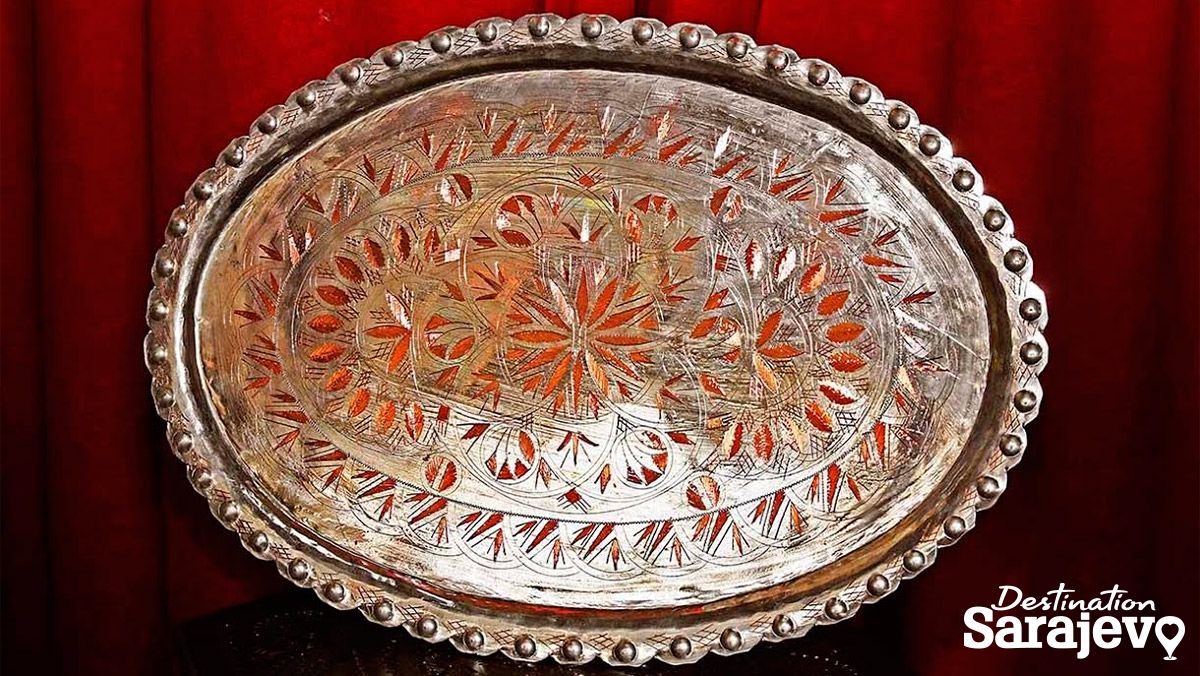
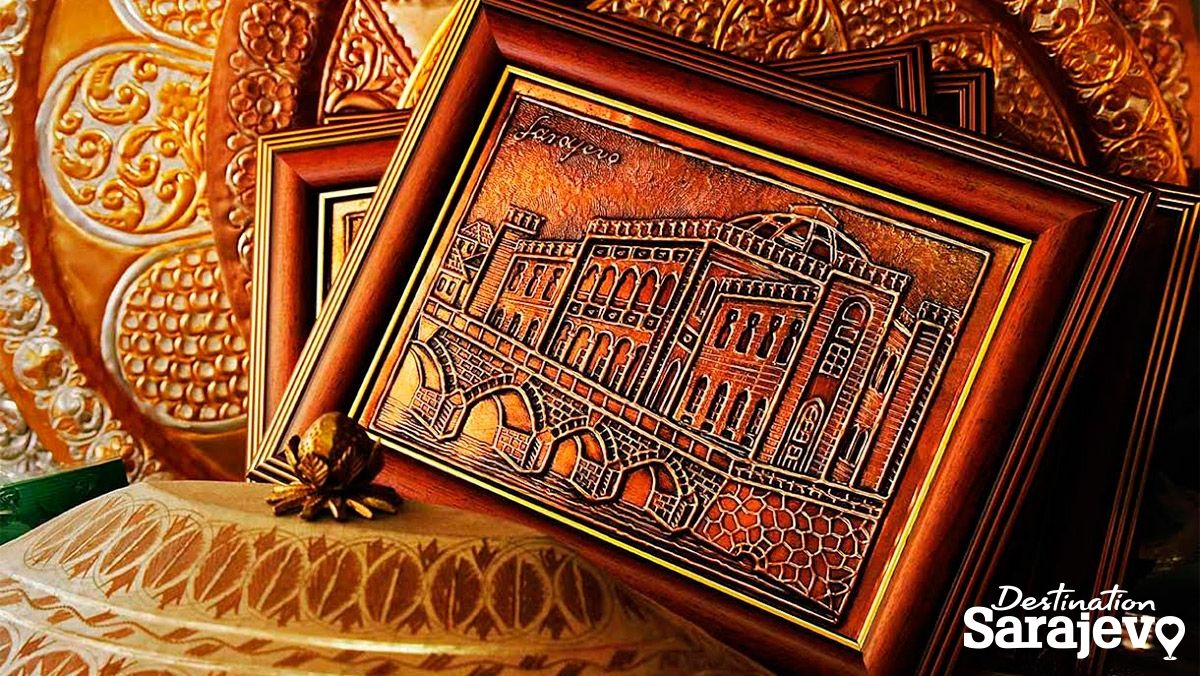
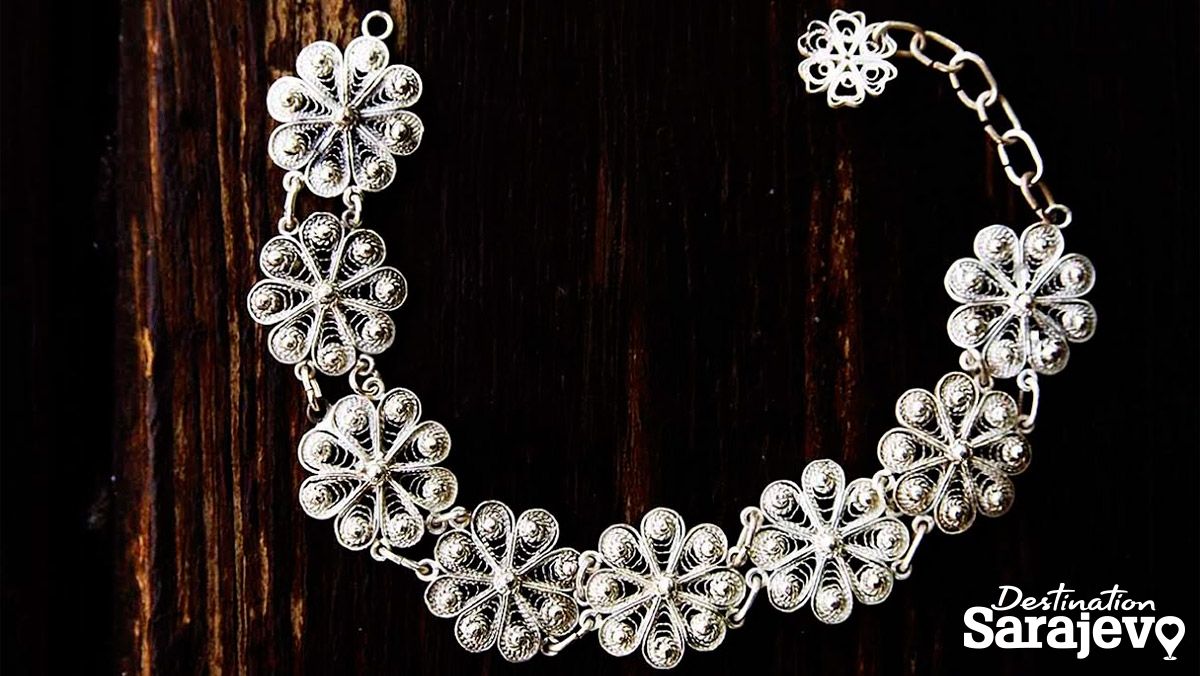
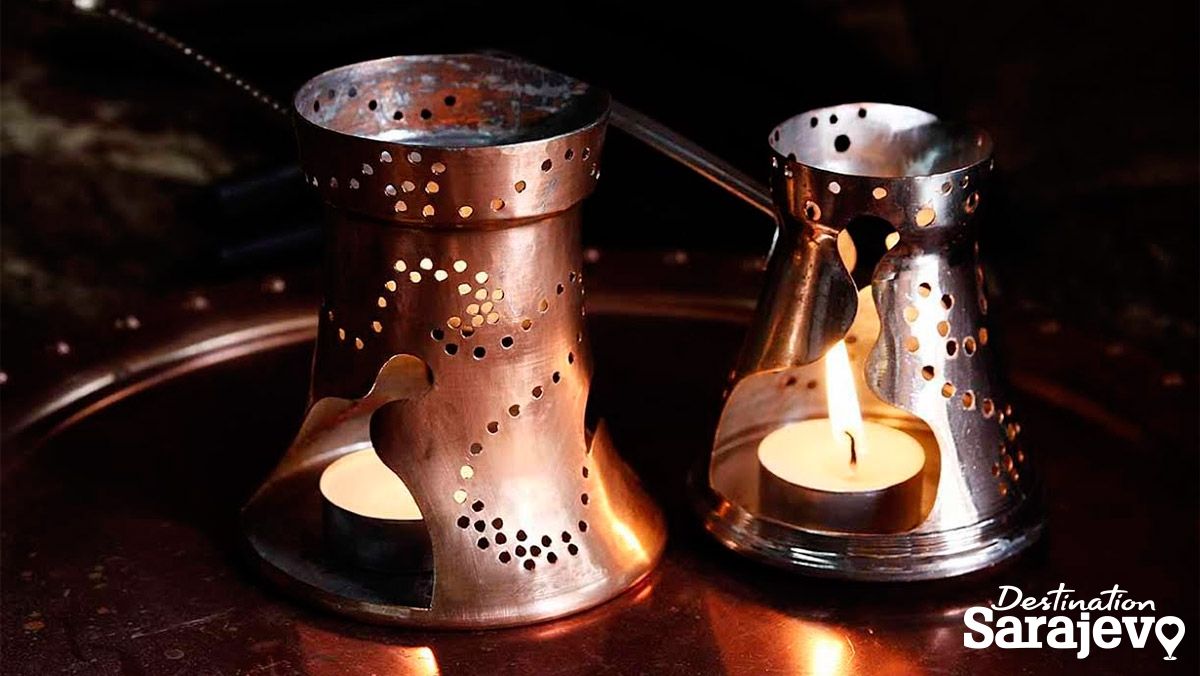
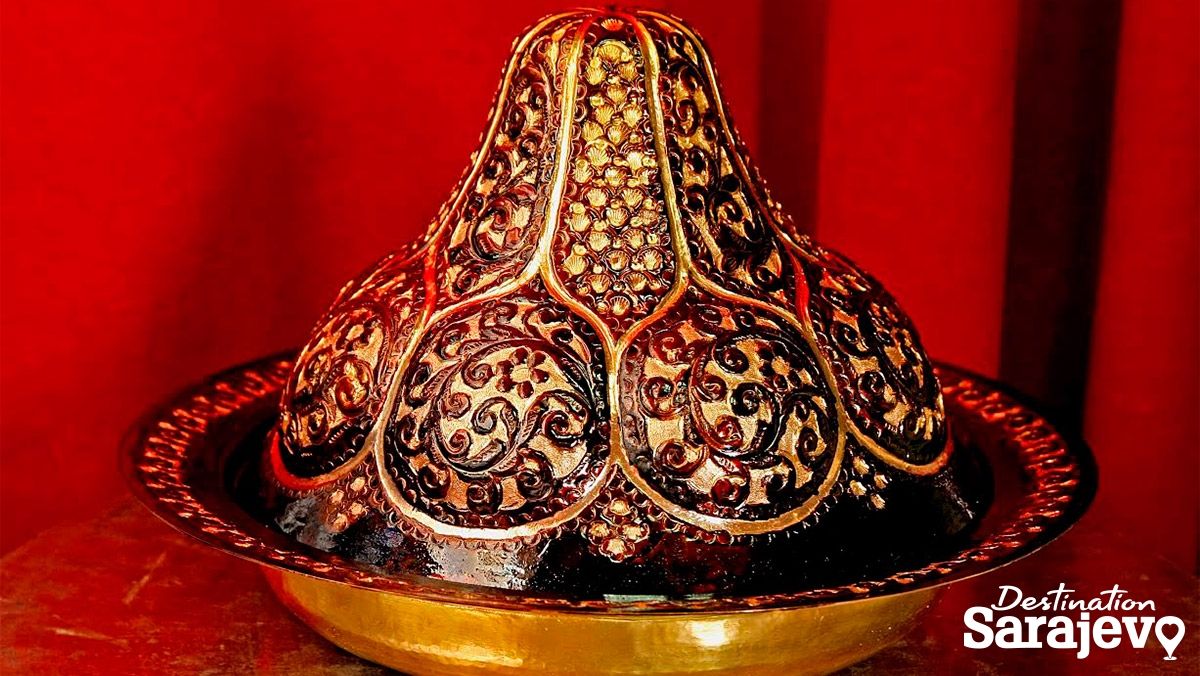
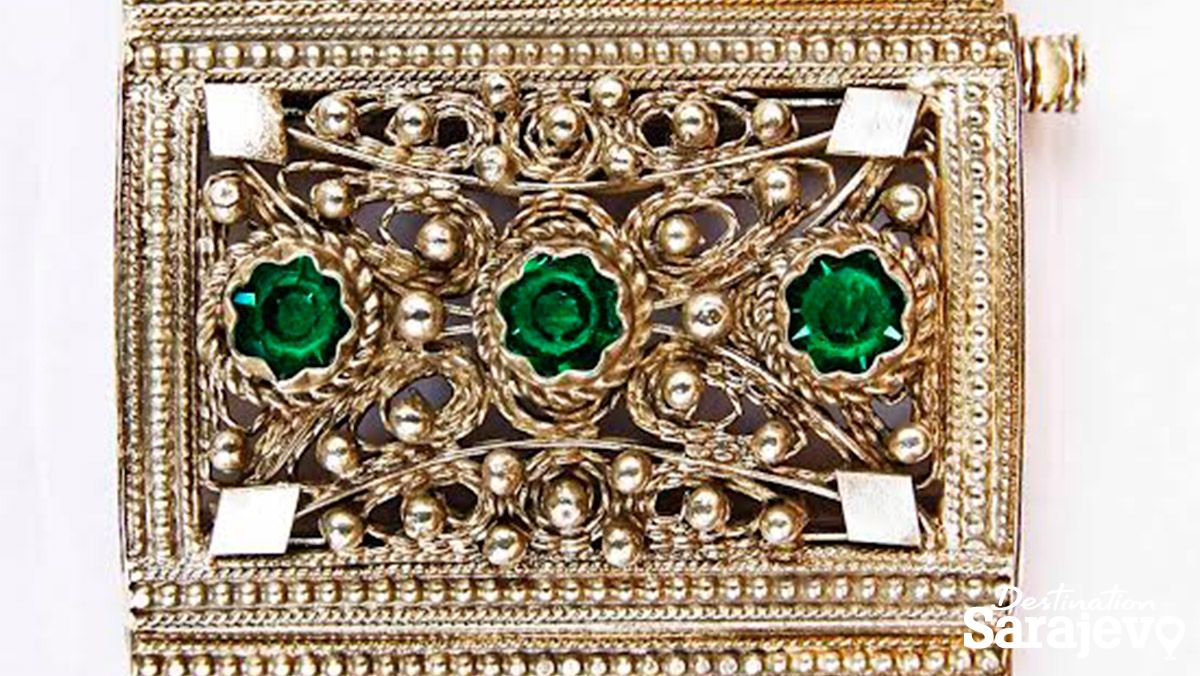
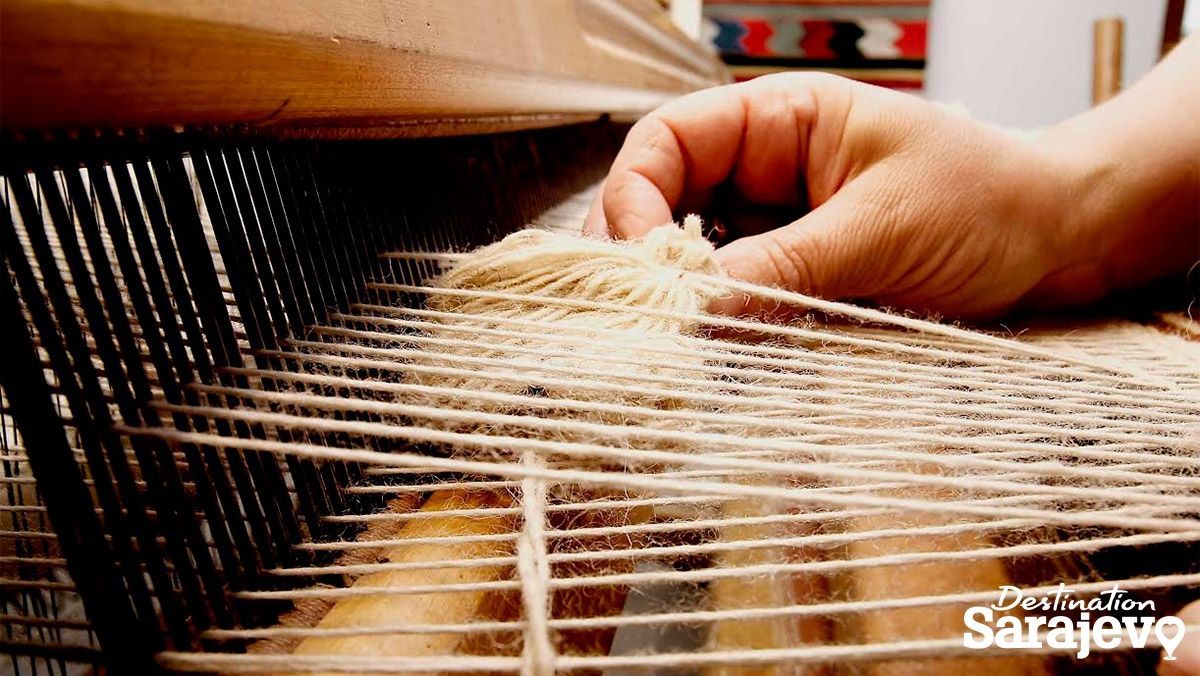
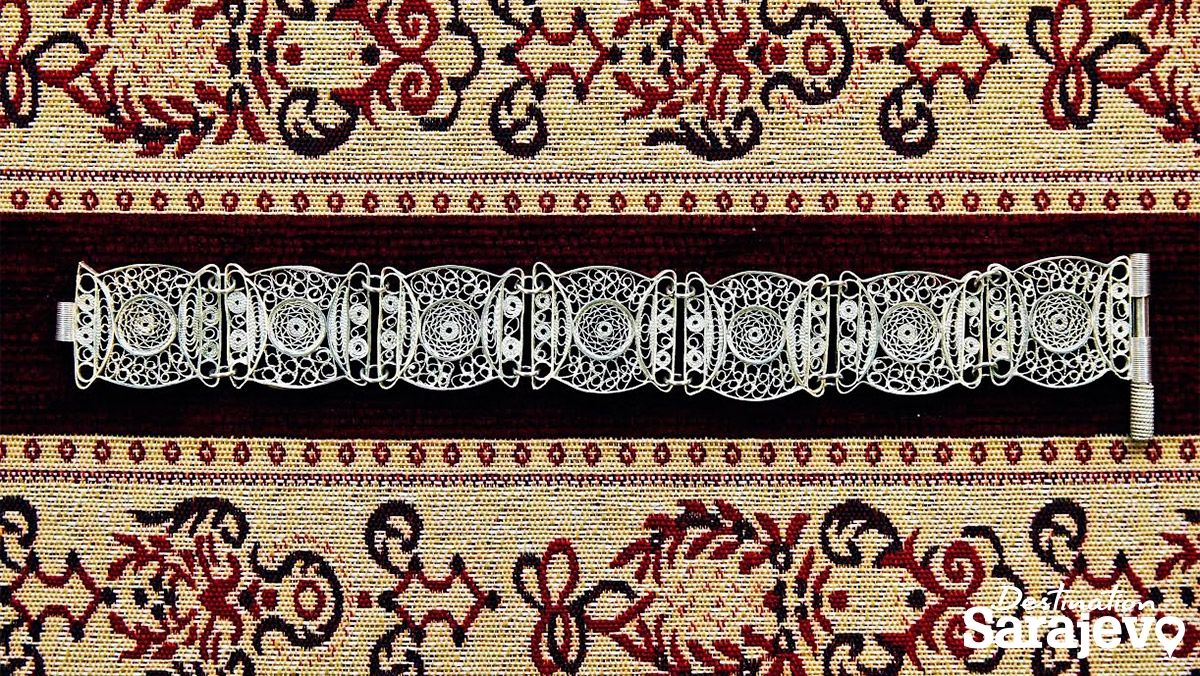
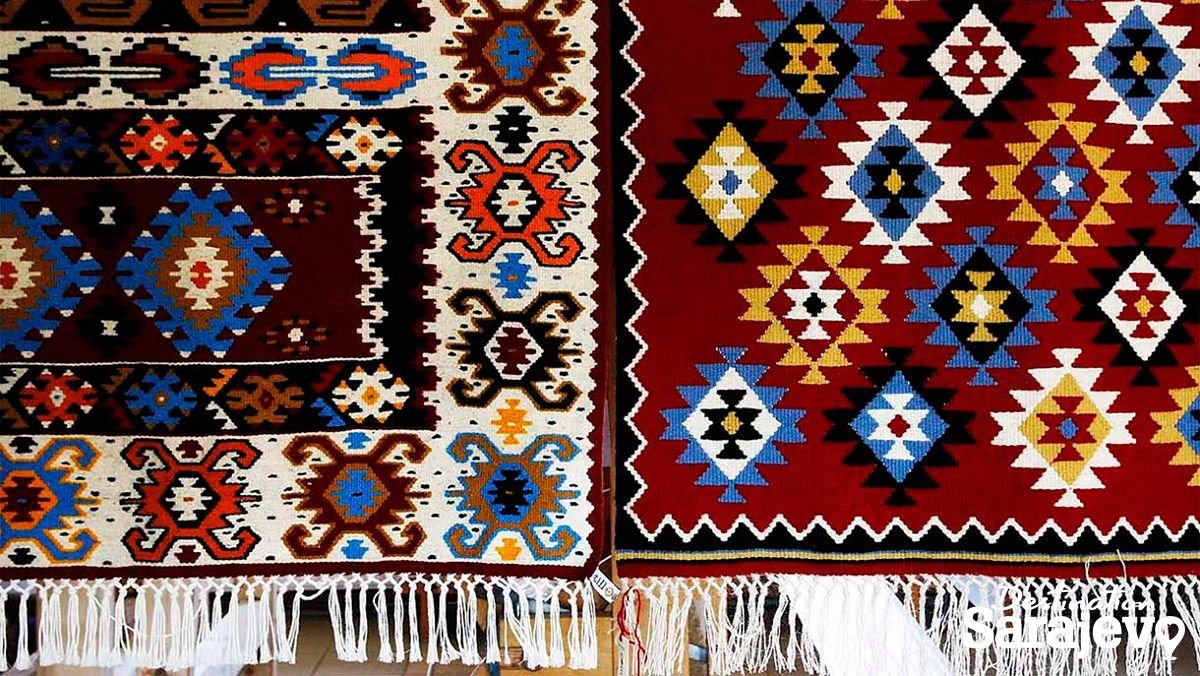
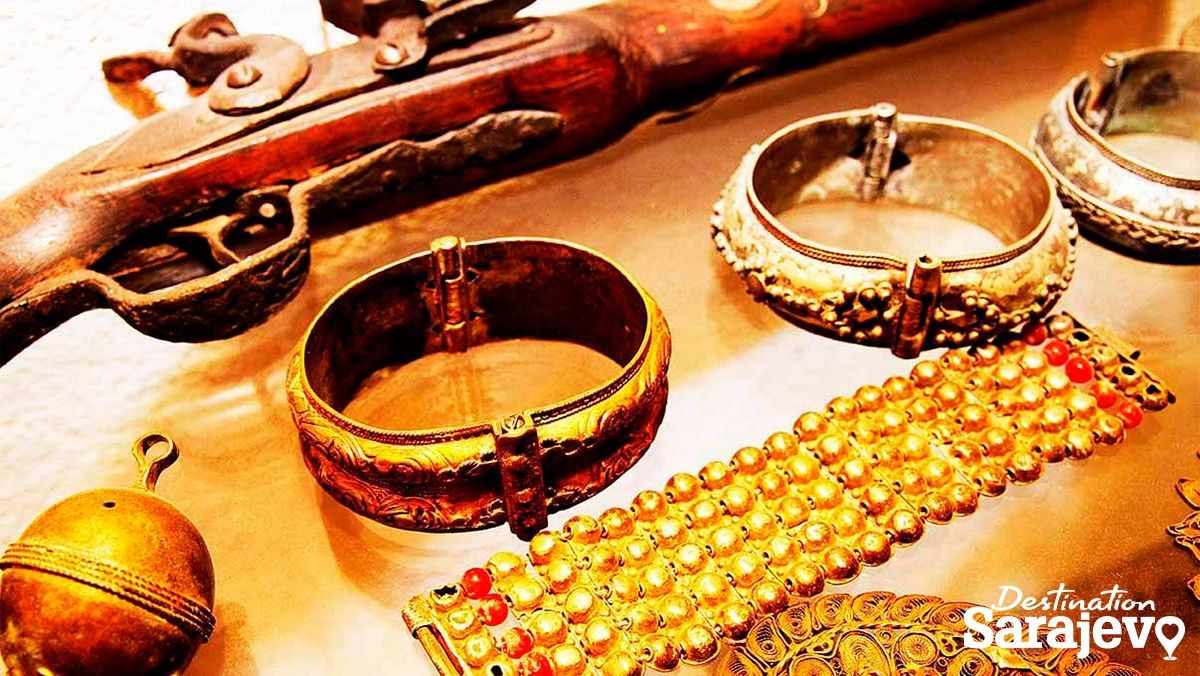
The City’s crafts are mentioned in the oldest known cadastral registry of Sarajevo dating from 1489. They mostly included those that served the needs of the army such as blacksmiths, sword smiths, cobblers, saddlers (who also made other leather items), blanket makers, wool workers (craftsmen that made wool and cotton products) as well as butchers, bakers and boza makers (drinks made from corn flour).
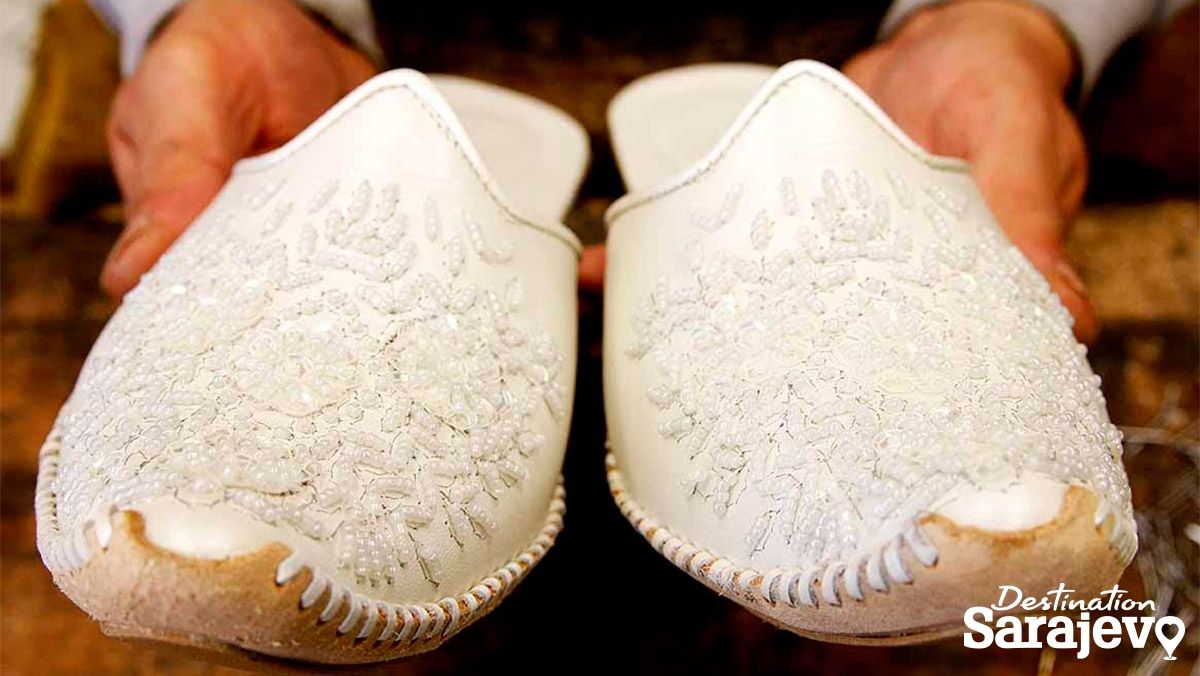
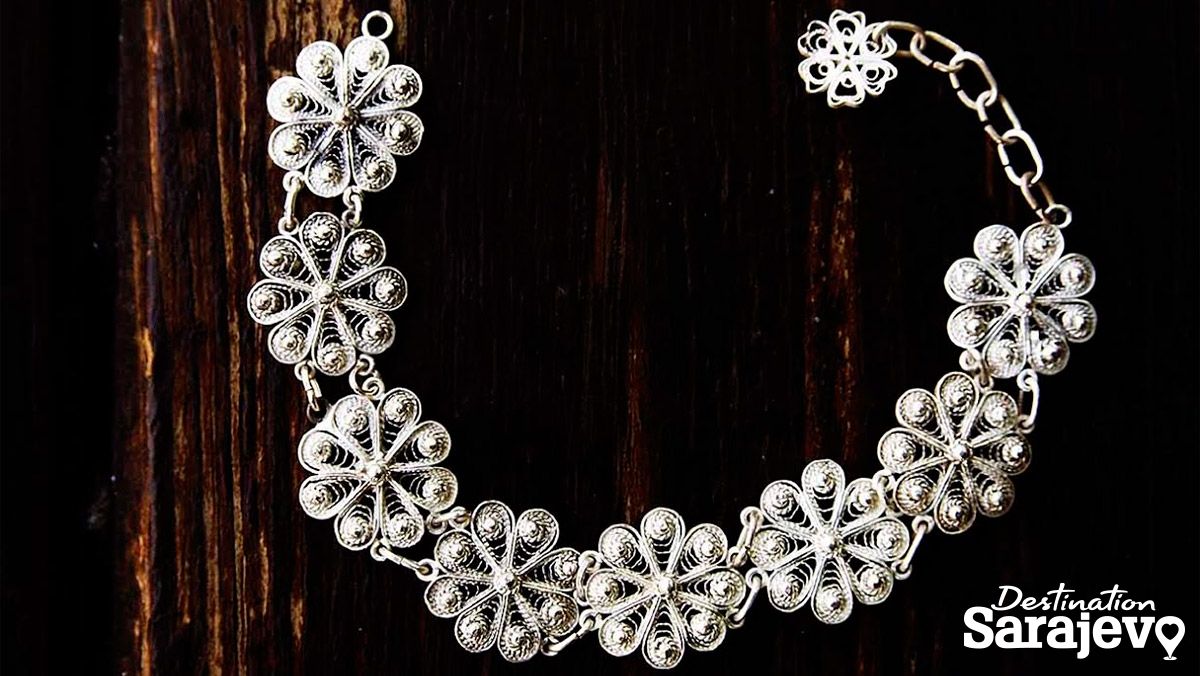
The cadastral registry 1528-1536 mentions 19 new crafts, including farriers (shoeing horses), horseshoe makers (who also made hobnails for men’s shoes and boots), locksmiths, the building trade (both carpenters and masons), woodworkers (who made and ornamented wooden items), cooks, goat-hair workers (who made items from goats hair), coppersmiths (who made cooper items), silversmiths, goldsmiths and slipper makers.
Bell makers, steelyard makers (who measured using steelyard balances), watchmakers (who made and repaired watches), quilt makers, abadžije (tailors who made rustic style clothing for men using fine homespun wool) and comb makers appeared in the early 17th century.
Seventy crafts with 400 products
About seventy different crafts were mentioned by the end of the 19th century with some 400 different products. The most numerous items were those produced by saddler makers, coppersmiths, kazazi (who made items from silk) and blacksmiths.
These craft shops were partitioned into streets. The saddlers (sarači), for example, were located in the street named Sarači, while the streets for butchers, sagrdžije (who prepared leather for further processing) and blacksmiths were located around the Čekrekči Mosque. Tailors were located in streets in the area of the Latin Bridge and sword makers were situated in the street that is today Zelene Beretke Street. Bakers, grocers, coffee sellers and aščinica (public kitchens) did not have their specific streets as their shops were located throughout the bazaar.
Craftsmen were organized into guilds and each guild had its own board that was completely independent from other guilds. A guild consisted of artisans of all confessions.
Crafts were the mainstay of Sarajevo’s economy over several centuries; however, with the introduction of industrial production they faced a difficult period. Crafts had already begun to stagnate by the peak of the Ottoman period due to either a lack of apprentices interested in learning a craft or because of the introduction of new modern manufacturing technology.
With changes in fashion and lifestyle, some crafts gradually disappeared such as sword makers, gunsmiths (who repaired rifles) and cutlers (who made knives). Crafts that began to disappear due to the introduction of fabric material included weavers, blanket makers, kečedžije (who made clothes from cowhide and fur), kazazi (who made clothes from silk) and čurćije (who made clothes from fur and leather).
Craft preservation
The introduction of cheap industrial products for mass consumption in the market coincided with the arrival of the Austro-Hungarian authorities in 1878 and this placed most of Sarajevo’s crafts at serious risk of disappearing forever.
The national government undertook several important measures aimed at the preservation of the traditional crafts and the revival of those that had already began to disappear. Efforts to improve the processing of artisan and handmade products included the establishment of an Arts and Crafts Workshop, a National Kilim-weaving Workshop and a National Embroidery Workshop. In 1905, the Arts and Crafts Workshop launched a training course for assistants and apprentices for private art and crafts workshops.
A crafts school operated in Sarajevo from 1893 and apprentices working in private crafts workshops also had the option to attend the Entrepreneurial and Crafts Training School where students were taught various entrepreneurial skills and crafts.
Thanks to the measures undertaken in late 19th and early 20th century by the Austro-Hungarian administration the traditional crafts were preserved and some even improved due to better technique.
During the Kingdom of Serbs, Croats and Slovenes and later under Kingdom of Yugoslavia crafts were one of the most important branches of the economy. The state authorities embarked on a number of measures aimed at preserving and improving the traditional crafts as well as introducing new ones.
Sarajevo’s crafts survived the period of the Second World War. At that time, artisans worked and earned as much as the war circumstances would allow. The most significant changes to crafts businesses occurred during the first decade after the end of WWII and were related to the introduction of the socialist system.
Law on Crafts
According to a craft shops census conducted in 1950 there were 742 shops with 1,196 master craftsmen with 190 apprentices in Sarajevo; the private sector was still strong at that time. The new government tried to strengthen the cooperative sector and to this end introduced the position of National Master of Crafts. Those artisans who handed over their shops to the State voluntarily were granted the status of National Master of Crafts and given the right to manage their shop or do other work related to their craft.
Yet craftsmen were reluctant to give up their shops. This is testified to by the fact that from the date the Law on Crafts took effect (October 11, 1950) up until the end of 1951 only 11 master craftsmen in the whole of Bosnia and Herzegovina were awarded the title of National Master of Crafts, only 4 of them were from Sarajevo.
The availability of large quantities of industrial goods at cheap prices again posed a major threat to the crafts. With the intention to preserve and prevent the disappearance of the crafts the State established the Crafts Office, which together with the Crafts School (Apprenticeship) made a significant contribution to the preservation of the artisan skills.
Artisan skills also survived the siege of Sarajevo in which artisans made items that helped the citizens of Sarajevo to endure the siege. The most illustrative example is Sarajevo’s tinsmiths who during the siege revived the craft of making wood stoves, which at one time heated almost the entire city.
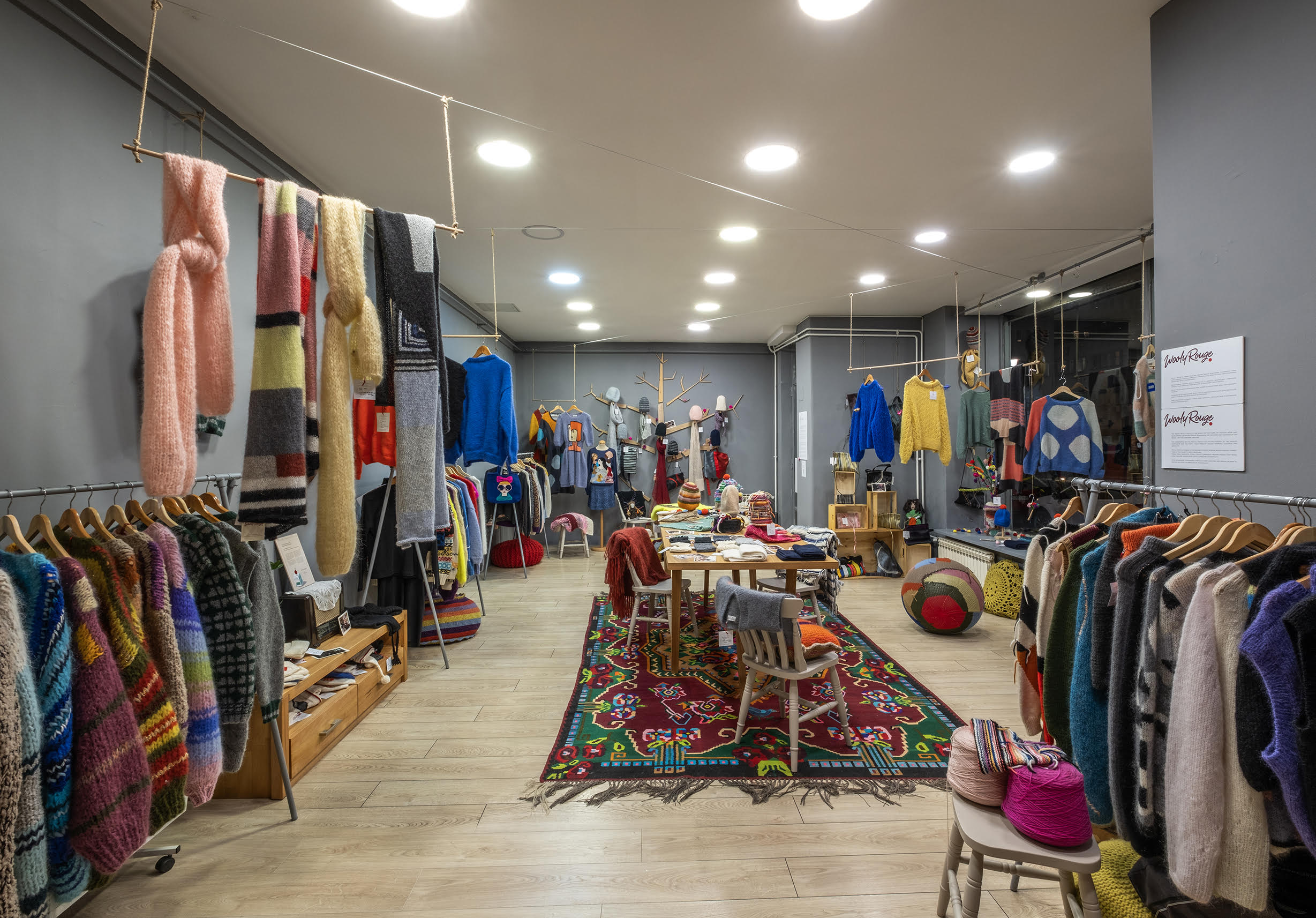
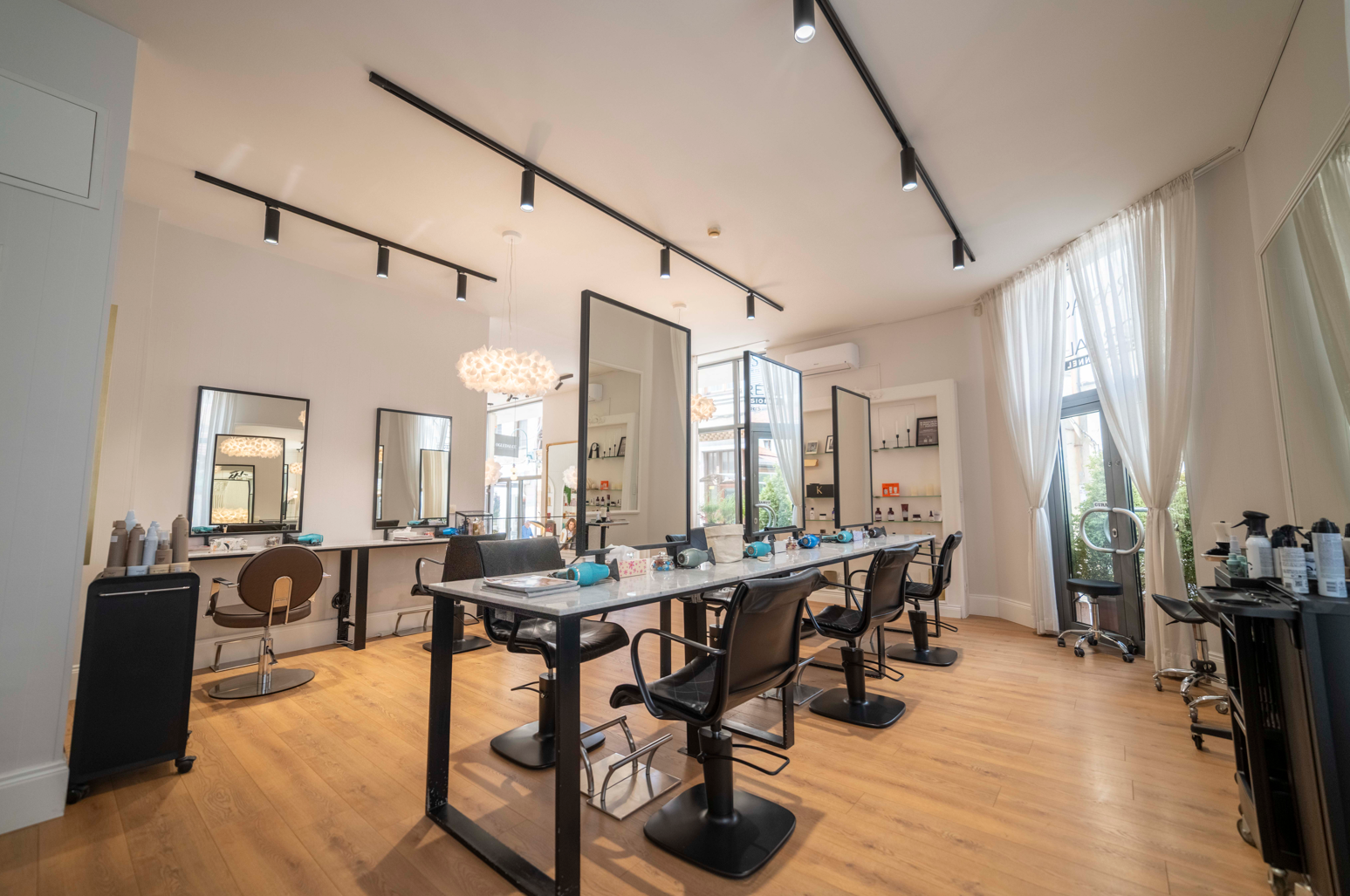
Over the years, many of these crafts have died out and today the only testimony to their existence can be found in the toponyms for the names of Sarajevo streets and in the surnames of certain families. Yet in spite of this, crafts continue to survive in Sarajevo; they adapt to its citizens and visitors and still have much to offer in the future.
/
YOU MIGHT BE INTERESTED
/News
Sarajevo at IBTM World in Barcelona: a city for congresses, meetings and incentive trips
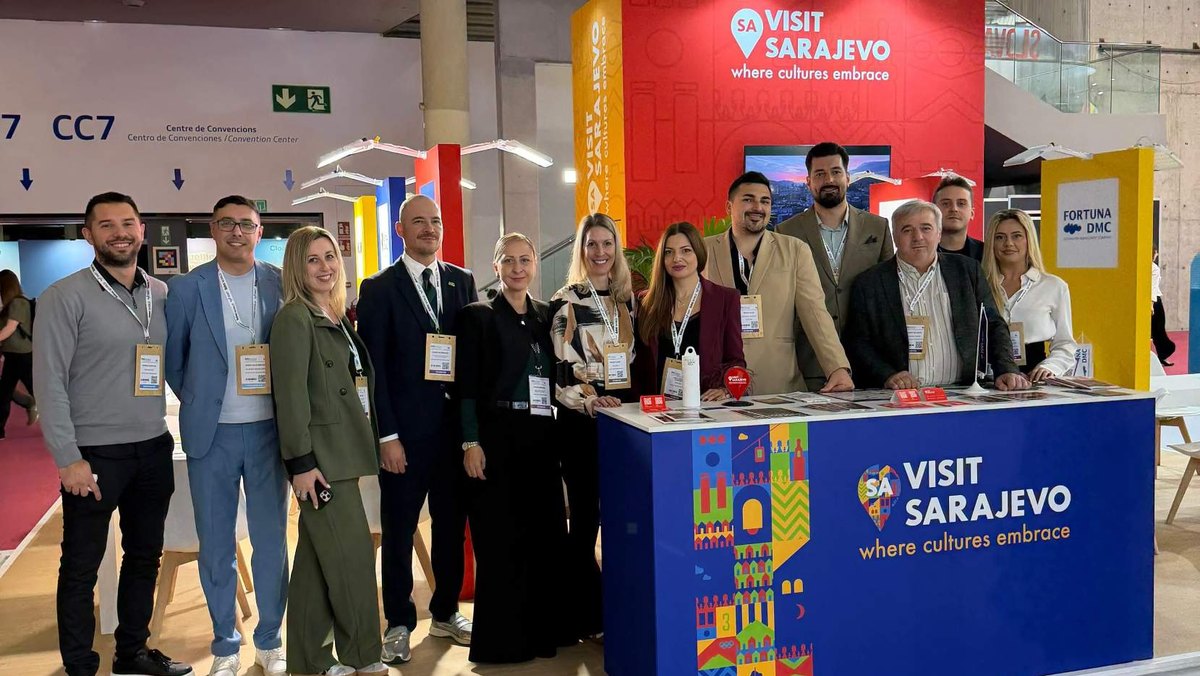
The Tourism Association of Sarajevo Canton – Visit Sarajevo presented Sarajevo at IBTM World 2026 in Barcelona , from 17 to 19 November . IBTM World brings together the MICE industry: meetings, incentives, conferences and exhibitions. A world stage for business tourism This year the fair brought together 2,500 destinations, hotels and companies from more than 150 countries, around 12,000 MICE professionals…
/News
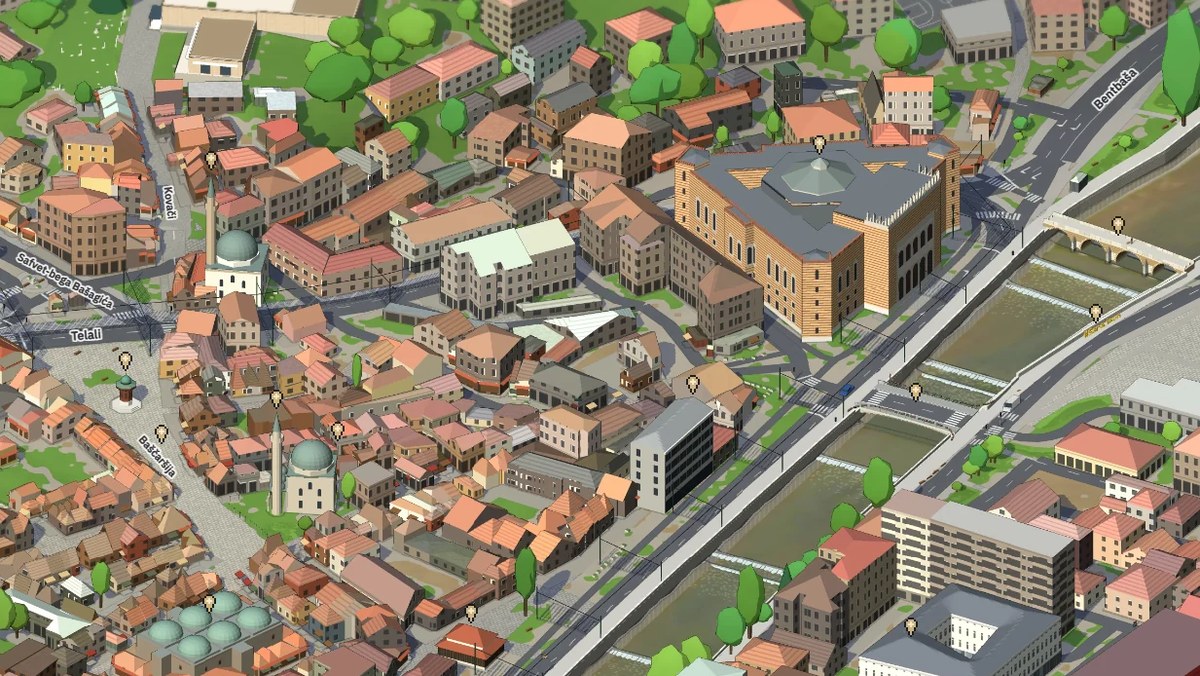
Sarajevo 3D: Interactive city map
An interactive 3D map of Sarajevo is available at sarajevo.mapa.ba . It opens in a browser or on a phone, it is free, with no registration or ads, and it is available in English. The map was made by Sarajevo engineer Emir Beganović as a personal, non-commercial project, ahead of 25 November, Statehood Day of Bosnia and Herzegovina. A city that comes…
/News
Season ski passes from Slovenia, Serbia and Montenegro now valid on Sarajevo’s Olympic mountains
Ski resorts from Bosnia and Herzegovina, Slovenia, Serbia and Montenegro signed the SKI REGION agreement on Jahorina on 19 November 2026 . The resorts mutually recognise season ski passes, so skiers from the region can use their pass for three days on the mountains around Sarajevo. Your pass, our slopes A season pass from 16 Slovenian resorts ,…