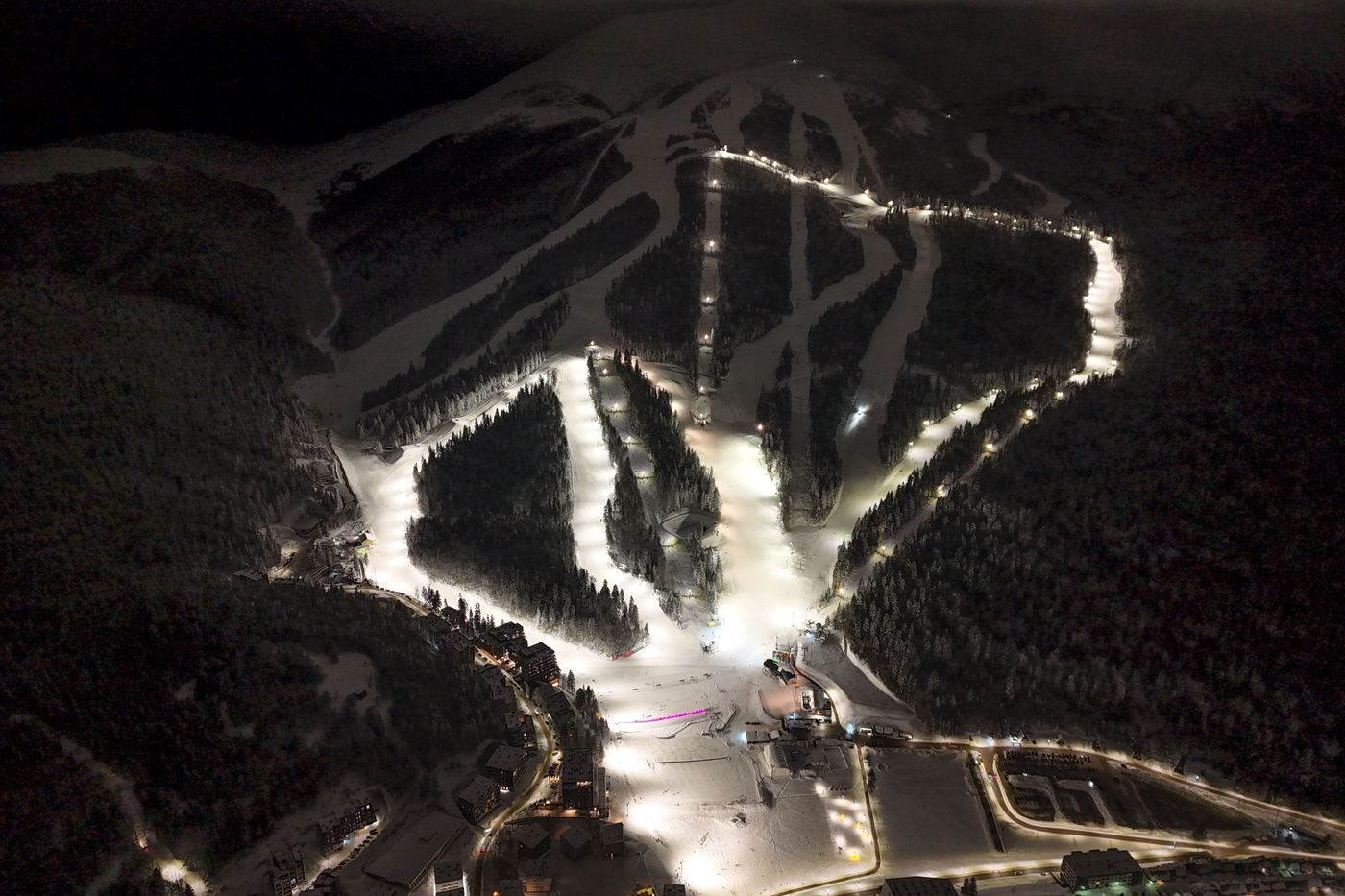
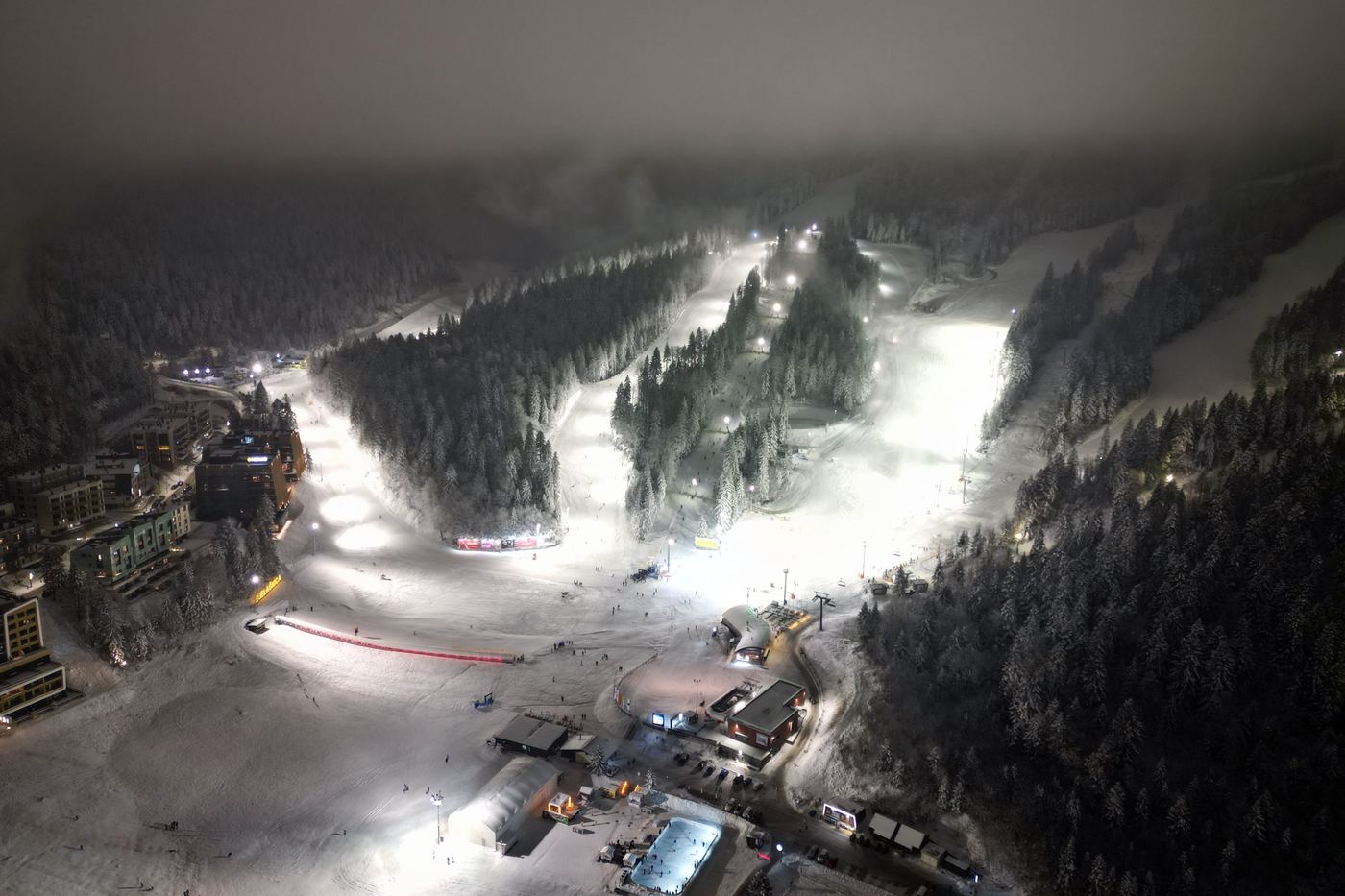
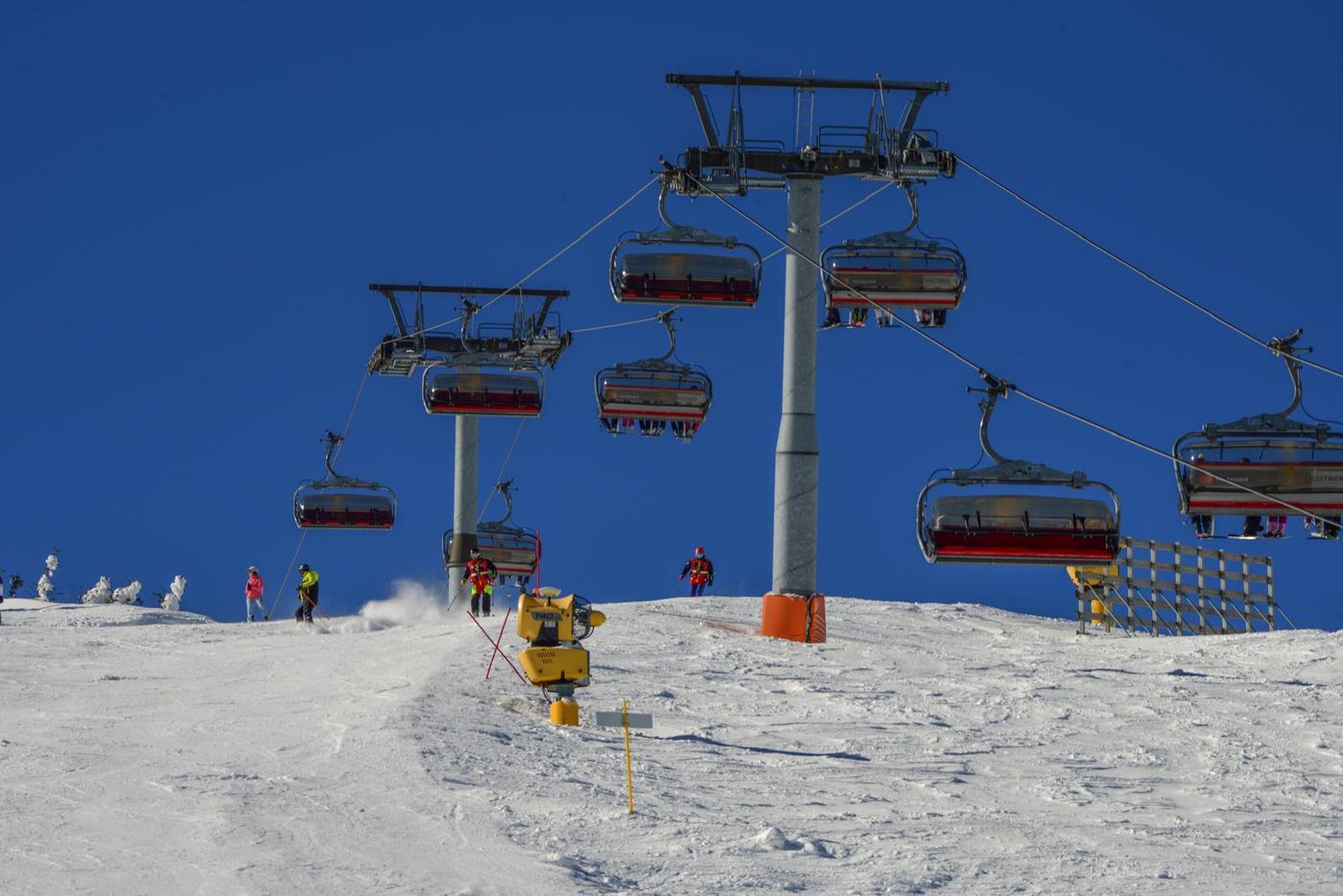
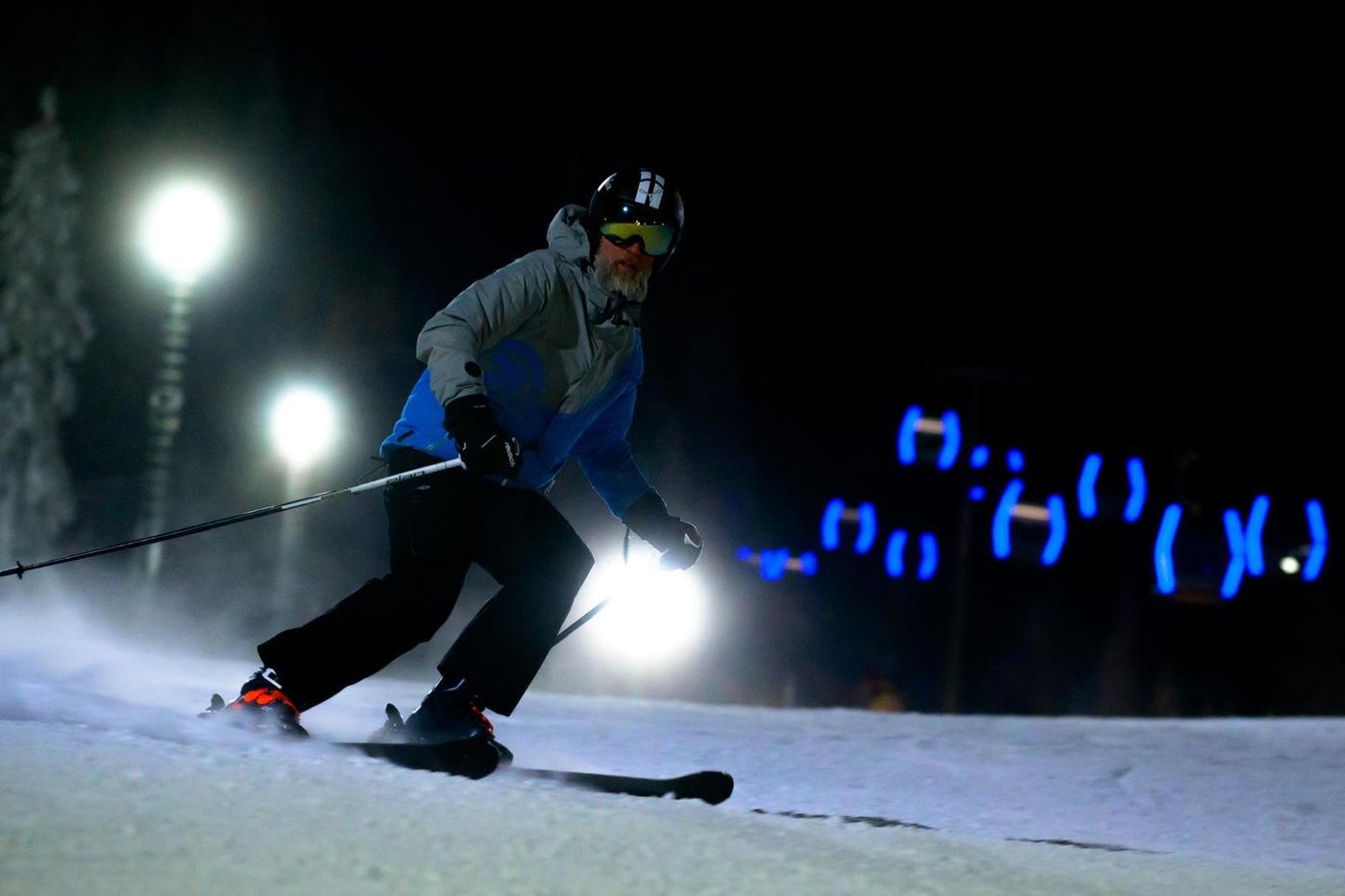
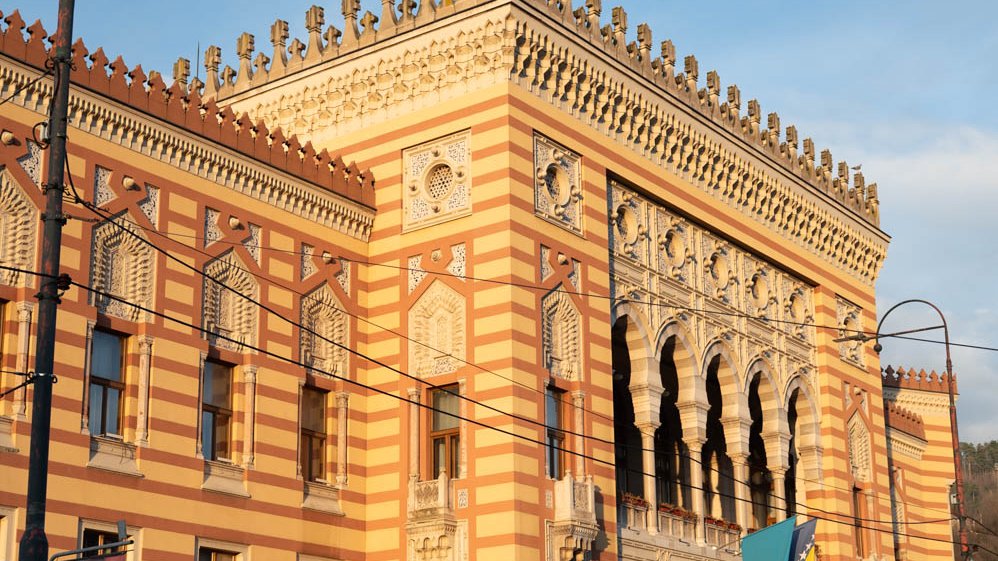
All the Olympic mountains are within half an hour's drive of central Sarajevo, and Mount Trebević is reached from the Old Town by the Sarajevo Cable Car. Night skiing is available on Jahorina, Bjelašnica and Ravna Planina.
Winter around Sarajevo: five mountains half an hour from the city
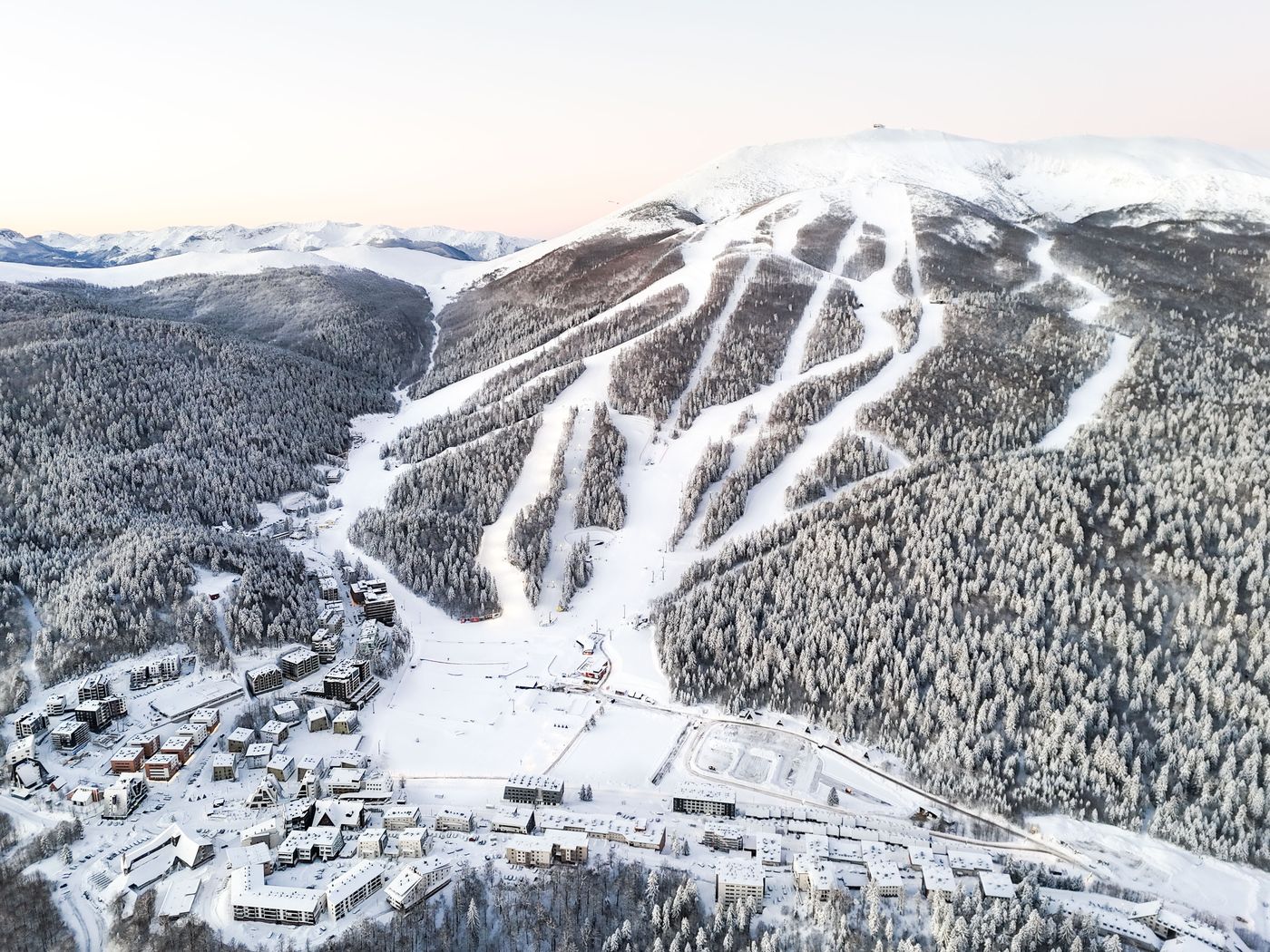
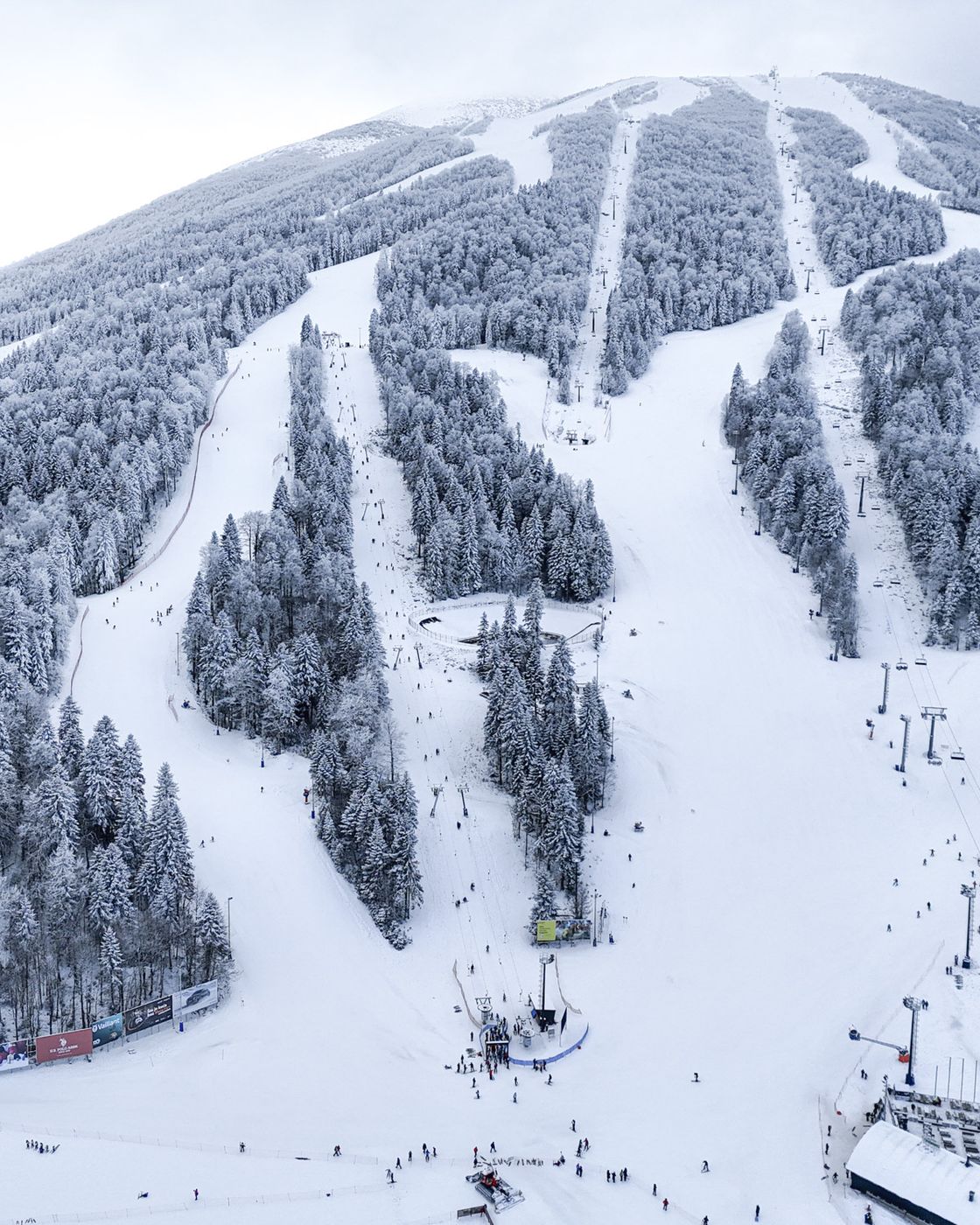
Bjelašnica at dawn: the Olympic slopes run down to the Babin Do village, half an hour from Sarajevo. Photo: OC Bjelašnica
Few European capitals have Olympic mountains this close. Trebević, Igman, Bjelašnica, Jahorina and Ravna Planina are all about half an hour from central Sarajevo, and the cable car takes you from the Old Town up Trebević in nine minutes. That means you can spend the morning on an Olympic slope, have lunch in a mountain hut and end the evening with ćevapi and Bosnian coffee in Baščaršija.
In February 1984 these mountains hosted the XIV Winter Olympic Games, the first ever held in a socialist country. Sarajevo showed the world its warmth, and the mascot Vučko became a symbol of the city that is still loved today. On Bjelašnica, Jure Franko won silver in the giant slalom, Yugoslavia's first Winter Olympic medal, and at the Zetra hall the British pair Torvill and Dean skated their Bolero to record-breaking perfect 6.0 scores that people still talk about.
The Olympic spirit lives on in the mountains around Sarajevo. Besides skiing from December to April, there is night skiing, sledging, snowy walks, wellness with mountain views and highland villages where time seems to stand still. Winter here is not just sport: it is good company, hot soup in a mountain hut, music after the last run and a city waiting for you at the foot of the hills.
- Jahorina, about 30 km from the centre: the largest resort, great for families, night skiing and après-ski.
- Bjelašnica, about 32 km: the highest resort, more demanding slopes, cheaper ski passes and mountain villages.
- Igman, about 25 km: for beginners and children, cross-country skiing and sledging.
- Ravna Planina, about 20 km: a short trip, good for beginners, night skiing every evening.
- Trebević, by cable car from Bistrik: walks, views over the city and the Olympic bobsled track.
Ski resorts near Sarajevo at a glance
- Jahorina: slopes from 1,300 to 1,890 m, 54 km of runs, 14 cable cars and lifts. Adult day pass 98 KM (2026/27). Night skiing every evening on Poljice and Partizan. The Ski Opening party is on 28 November 2026, and skiing starts on 6 December, once there is enough snow.
- Bjelašnica (Babin Do): slopes up to 2,067 m, about 14 km, 8 runs and 5 children's runs, 3 chairlifts and 5 ski lifts. Adult day pass 69 KM, or 65 KM online. Some runs are floodlit for night skiing. The season starts in mid-December; the date has not yet been announced. The discounted pre-sale of season passes has been extended to 1 December.
- Igman (Malo and Veliko Polje): about 2 km of alpine runs and, together with Bjelašnica, about 50 km of cross-country trails. Passes are sold by the Bjelašnica–Igman Olympic Centre, and the season opens together with Bjelašnica.
- Ravna Planina: 12.5 km of slopes, a ski lift and a gondola. The 2026/27 price list is published at ski-rp.com. Night skiing every evening from 18:30 to 21:30. The opening date has not yet been announced.
Passes can be bought online, and the quickest and safest way to pay is by card, for example a Mastercard card or mobile wallet: Jahorina on the Jahorina Olympic Centre webshop, Bjelašnica and Igman at skipass.ocbjelasnica.com.
SKI REGION: one season pass, four countries. Ski resorts from Bosnia and Herzegovina, Serbia, Montenegro and Slovenia signed the SKI REGION agreement on Jahorina on 19 November 2026. Holders of season passes can ski for three days at each partner resort without buying a day pass. The agreement covers Jahorina and Bjelašnica, Kopaonik in Serbia, Kolašin 1600 in Montenegro and 16 ski resorts in Slovenia. So, for example, a Jahorina season pass gives you three days on Bjelašnica and three days each on Kopaonik, in Kolašin and at the Slovenian resorts. The agreement works both ways, so season-pass holders from the region can also ski on Sarajevo's mountains. The benefit applies only to season passes, and the resorts will announce how days are booked and recorded. Tip: if you plan to ski on Kopaonik, in Kolašin or in Slovenia this winter, a Sarajevo season pass gives you extra days without new passes, so factor that in when working out whether a season pass pays off.
Jahorina: the largest ski resort in Bosnia and Herzegovina
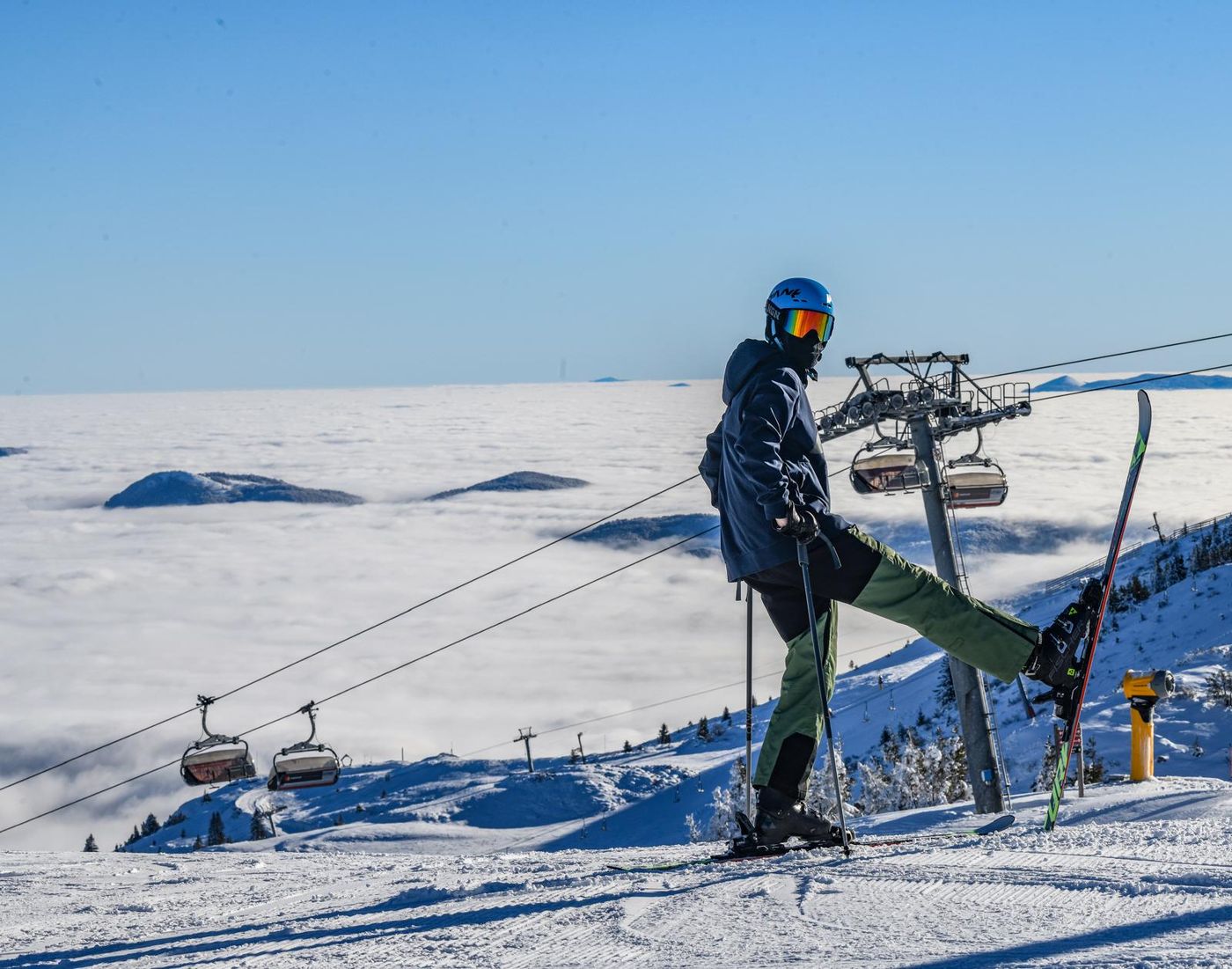
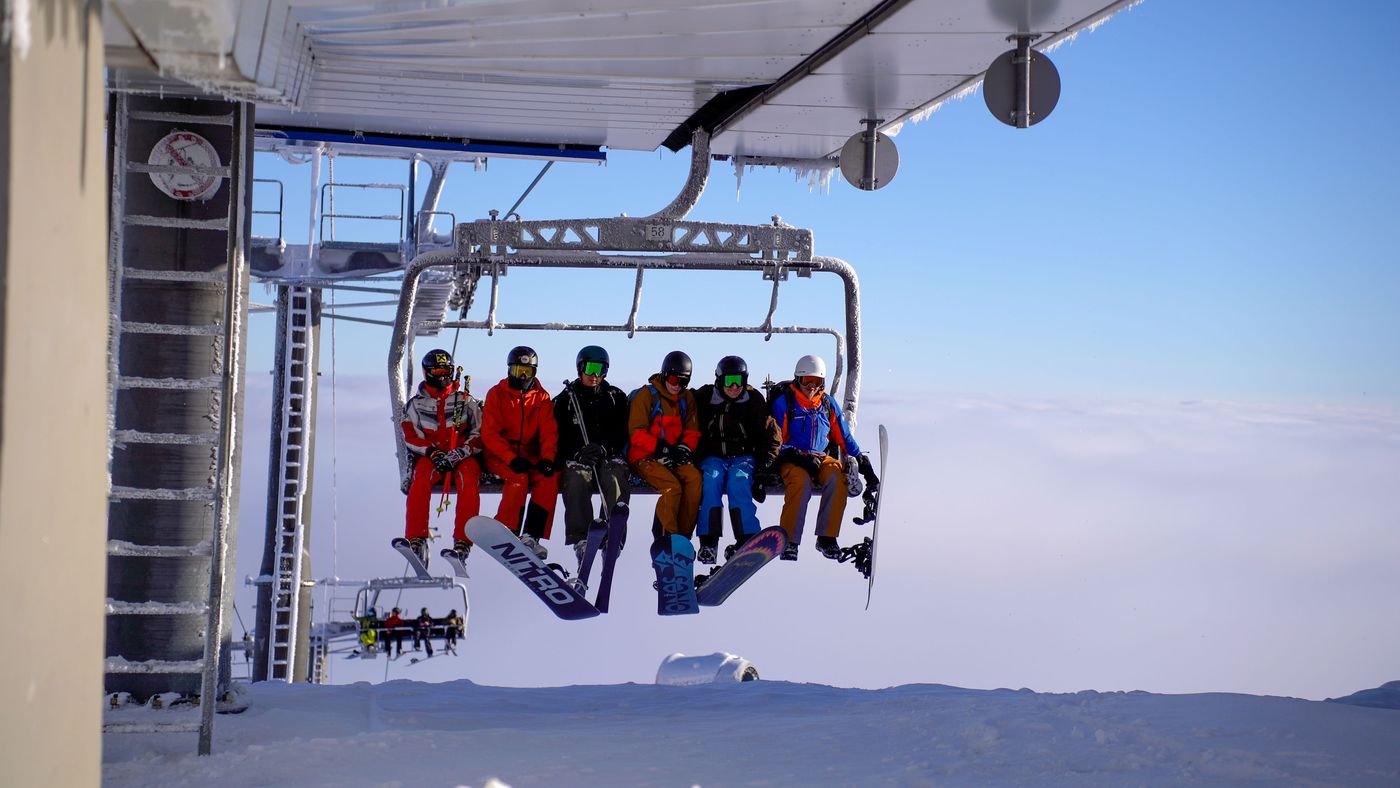
Jahorina above a sea of fog: when the valleys are grey, the slopes are in the sun. Photo: OC Jahorina
Jahorina is called the queen of Bosnian mountains, and for good reason. Wide, sunny slopes run down through pine forests, and from the top of Ogorjelica, at 1,916 m, the view opens onto a sea of peaks around Sarajevo. The women's alpine events of the 1984 Olympics were held here, and today Jahorina is the largest and most modern ski resort in Bosnia and Herzegovina, full of families, skiers from across the region and lively evenings.
Jahorina celebrates the start of the 2026/27 winter with a party on Saturday, 28 November 2026, and according to the Jahorina Olympic Centre price list skiing starts on Sunday, 6 December 2026, once there is enough snow. It has 54 km of groomed slopes and 14 cable cars and lifts, between 1,300 and 1,890 m. Most slopes are covered by artificial snowmaking, night skiing runs on 12 km of floodlit slopes, and there is a 3,000 m² snowboard park, a 600 m sledging run and the Velika Dvorišta cross-country centre with 10 km of trails.
Season opening with Naomi Campbell. Last winter the season opened on 11 December; this year Jahorina celebrates two weeks earlier. The Ski Opening starts on Saturday, 28 November 2026, at 22:00, and the season is opened by British supermodel Naomi Campbell, behind the decks: she performs on Jahorina as a DJ, a role she has increasingly embraced in recent years. The Ski Opening, organised by Travel 4Fun and SKI Fenix, runs over two nights: on Friday, 27 November, Aco Pejović and Željko Joksimović perform, and on Saturday, 28 November, Nikola Rokvić sings first before Naomi Campbell takes over the DJ booth. The party takes place in a large tent, doors open at 19:00 and the programme starts at 22:00. Tickets for both nights are sold on ulaznica.org for tables in three zones: Silver 40 KM, Gold 80 KM and Platinum 150 KM (plus a booking fee). The Ski Opening is a party, not the start of skiing: ski passes for the new season are valid from 6 December, if there is enough snow. More about the season opening.
- Olympic downhill: the upper part of the legendary 1,600 m run reopened in January 2026 after 42 years and is now open to recreational skiers too.
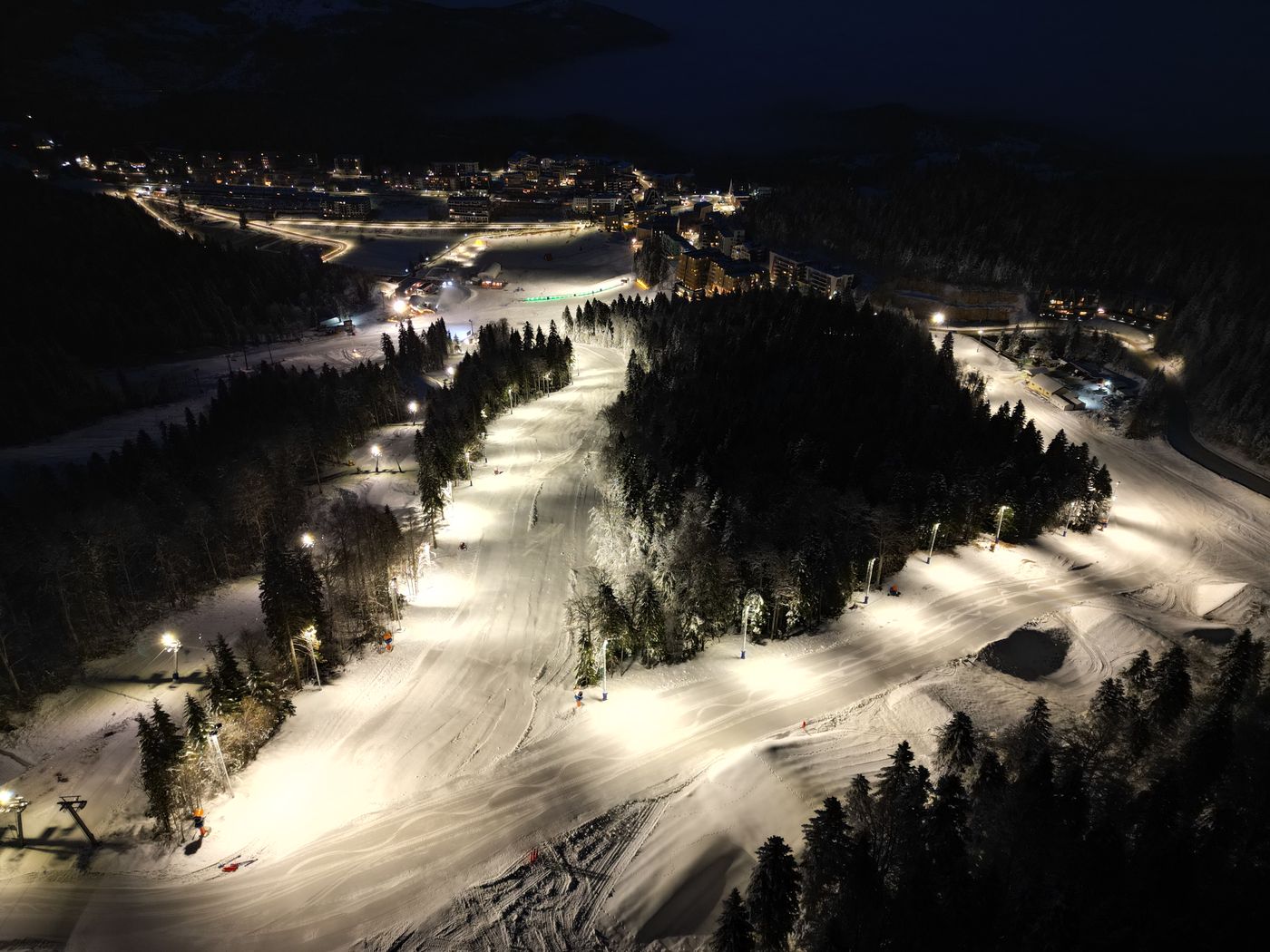
- Night skiing: every evening on the Poljice and Partizan gondolas, roughly from 18:00 to 21:00.
- For families: ski kindergarten, ski school and a children's practice area. Children under 6 ski free with an adult (with a "Baby ski pass" and a 10 KM deposit).
- Without skis: panoramic gondola rides, a sledging run, restaurants on the slopes and concerts throughout the season.
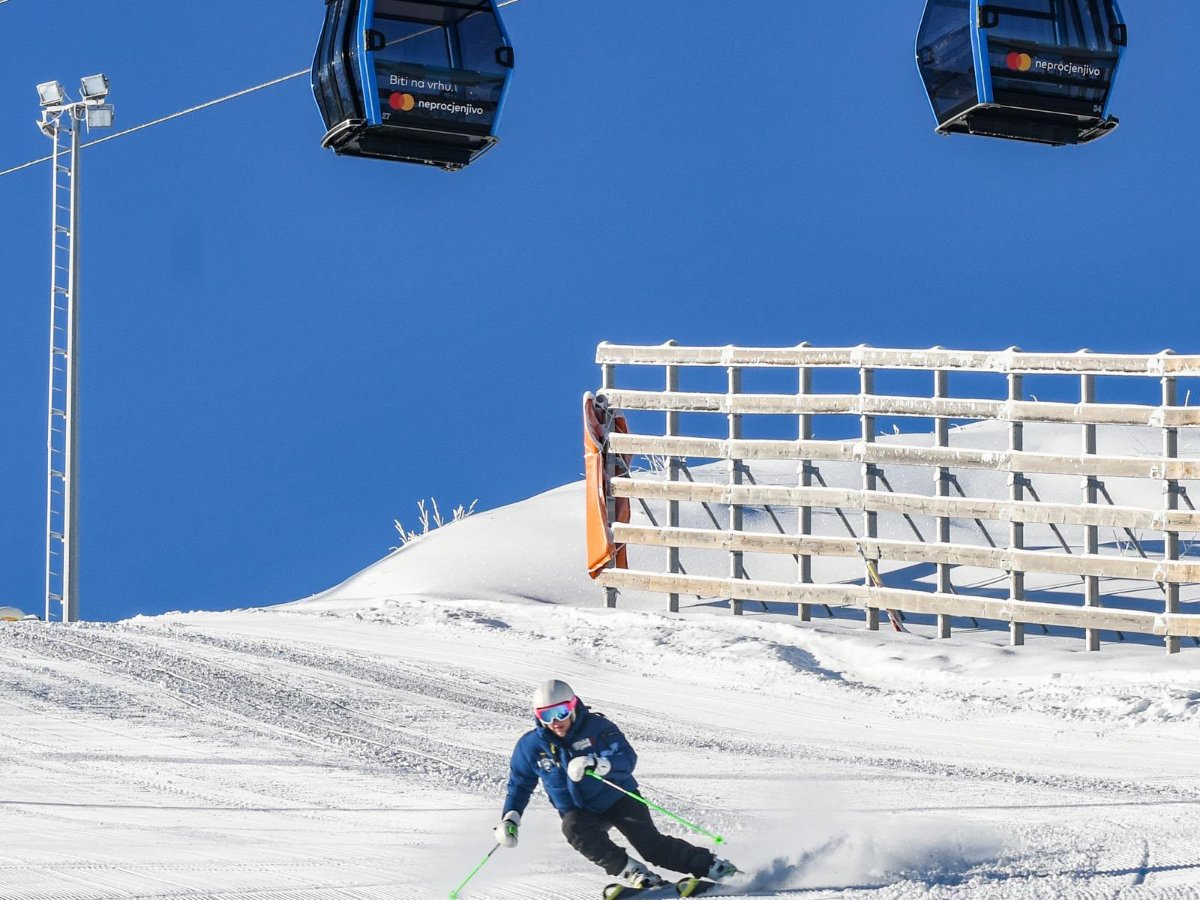
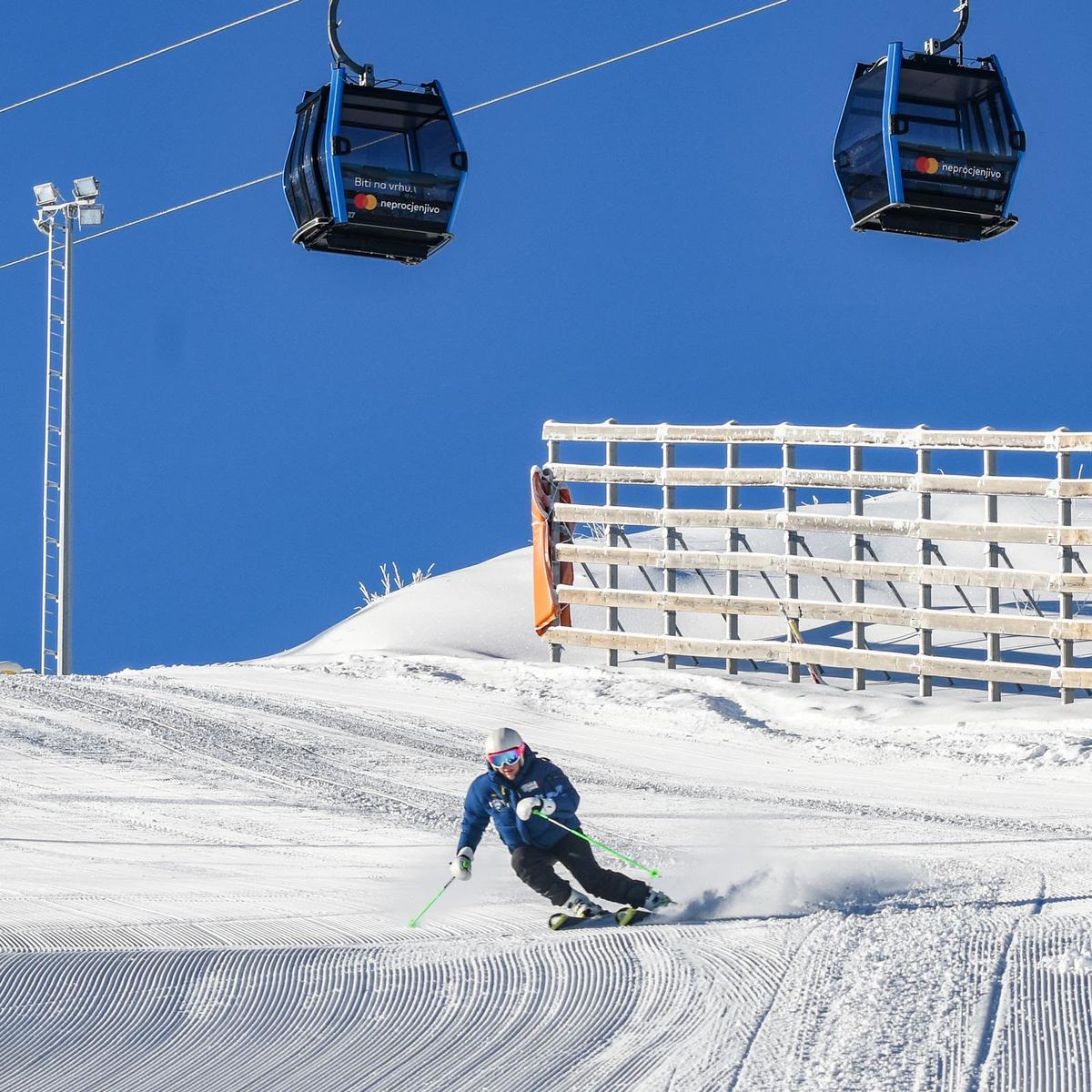
- Gondolas signed by Mastercard: Jahorina's gondola cabins carry the message "Biti na vrhu. Neprocjenjivo." ("Being on top. Priceless.") – and the view from the top of Jahorina over the Olympic mountains truly is priceless.
Ski passes 2026/27 (full price, day pass)
- Adults: 98 KM (50.5 EUR)
- Seniors and teenagers: 90 KM (46 EUR)
- Children: 83 KM (42.5 EUR)
- Night skiing, adults: 80 KM (41 EUR)
The price depends on the day you arrive. According to the Jahorina Olympic Centre price list, there is a 20% discount on 6 December, 15% from 7 to 20 December, from 18 January to 7 February and from 1 to 7 March, and 30% from 8 March to the end of the season. Full prices apply during the holidays (21 December – 17 January) and from 8 to 28 February. Discounts do not apply to panoramic rides, the ski kindergarten, sledging or season passes. Passes are also sold online on the Jahorina Olympic Centre webshop.
Tip: at weekends and on holidays, arrive before 9 am. Parking on Jahorina is charged during the season.
Bjelašnica and Igman: Olympic slopes at a better price
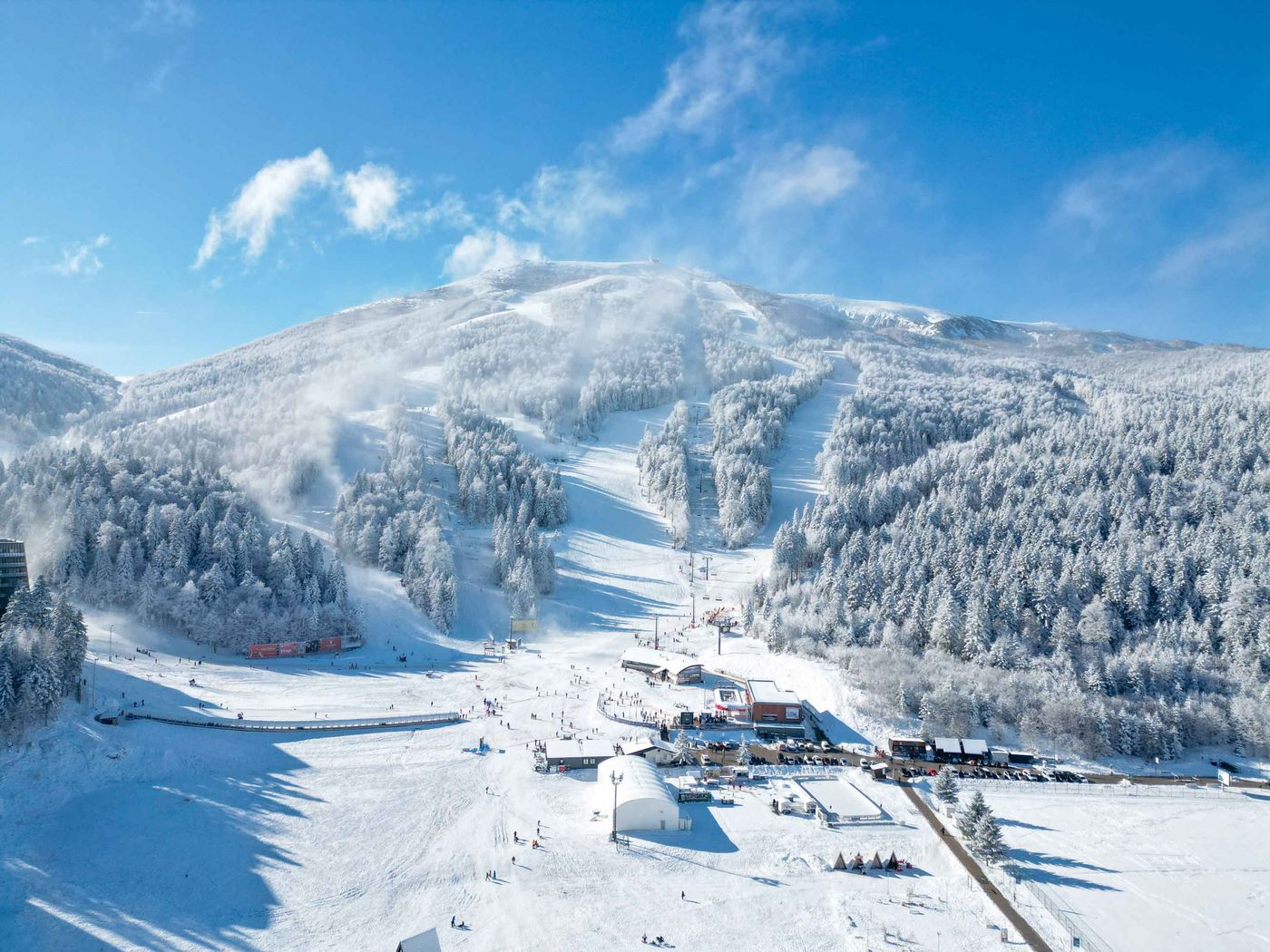
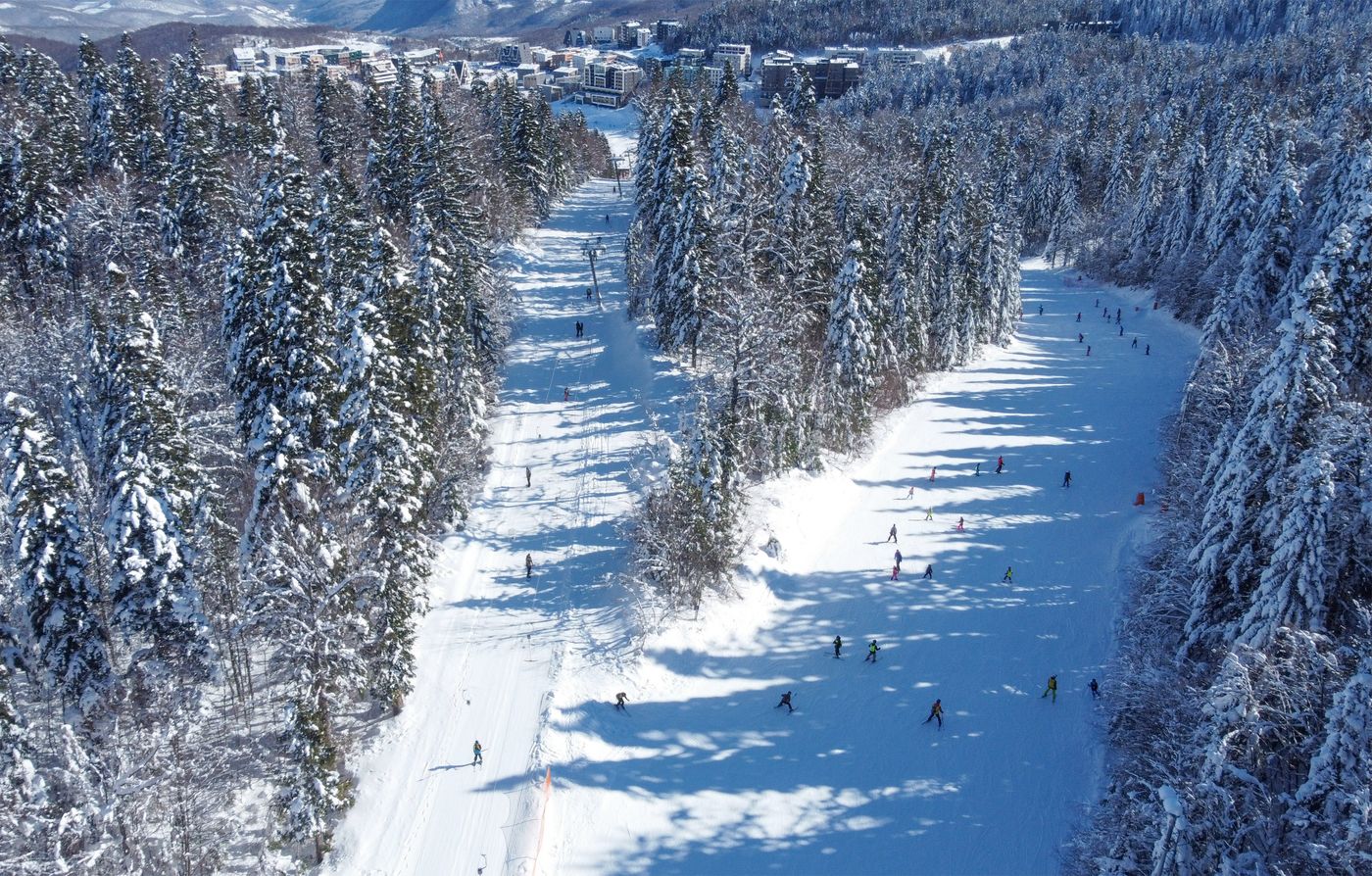
A sunny day on Bjelašnica: the slopes run right down to the lift base stations. Photo: OC Bjelašnica
Bjelašnica takes its name from the white snow (bijelo) that lingers on its peaks until late summer. It is the mountain for those who love proper skiing: steep Olympic runs from the 2,067 m summit, the men's downhill of 1984 and views stretching to Treskavica, Visočica and the Rakitnica canyon. Sarajevans love it because it is more relaxed and affordable, with the feel of a real mountain just half an hour from town.
Bjelašnica is the highest ski resort near Sarajevo: Babin Do has 8 ski runs and 5 children's runs, about 14 km of alpine slopes in total. Three chairlifts and five ski lifts take you right up to the summit of Bjelašnica at 2,067 m. The men's alpine events were held here in 1984.
- Ski pass: an adult day pass costs 69 KM at the ticket office, or 65 KM online with a 5% discount. Teenagers (13–18) pay 54 KM, children (6–12) and seniors (65+) 44 KM. A half-day pass from 11:00 costs 59 KM, from 13:00 34 KM, and night skiing 49 KM for adults. The pass is valid on Bjelašnica and Igman and is activated at the first lift. Season passes for 2026/27 are on sale (e.g. adult Standard 760 KM in pre-sale until 15 November, 1,105 KM from 2 December) and can be bought online at skipass.ocbjelasnica.com.
- Children's park: a covered moving carpet with lights that change colour at every step, for children's first ski steps, sheltered from wind and snow. Next to it are five children's and beginner runs.
- Sledging and tubing: a small sledging run of about 50 m for children, and in Javorov Do, about 3 km from the ski centre, sledging and snow tubing runs.
- Panoramic ride: you can ride the chairlift without skis for views over Bjelašnica, Visočica and Treskavica. Check the price at the ticket office.
- Night skiing: some runs have competition lighting; the centre publishes the night skiing schedule during the season.
- More: ski and snowboard schools, equipment rental, winter hiking from Babin Do to the meteorological observatory and a fun zone with skating.
- Payment: since 1 January 2026 the Bjelašnica–Igman Olympic Centre has been fully cashless, the first ski centre in Bosnia and Herzegovina to do so. Bring a card, for example a Mastercard, or pay by phone: ski passes, rental, ski school and food on the slopes are all paid contactless, with no hunting for change and no waiting.
- Season start: usually mid-December, when there is snow. The exact date for 2026/27 has not yet been announced; slope and lift status is on the map at mapa.ocbjelasnica.com.
Sabah Ski: skiing at sunrise
Sabah Ski is a tradition born on Bjelašnica and a unique experience in this part of Europe. Several times a season the Bjelašnica–Igman Olympic Centre starts the lifts at dawn, and skiers and snowboarders descend from the top of Bjelašnica down the 1984 Olympic run as the first rays of sun light it up. The sky turns yellow and orange, and many ski with a phone in hand to capture the moment.
At the Sabah Ski on 18 January 2026, the slopes opened at 7:15 and drew more than a thousand skiers and snowboarders, with free entry for everyone. At the season's final Sabah Ski the lifts started as early as 5 am. In March 2026 one session was dedicated to women for International Women's Day, with free skiing for all women. Yahoo News in the United States also wrote about Sabah Ski.
We will publish the Sabah Ski dates for the 2026/27 season as soon as the centre announces them. Get ready the night before: the drive to Babin Do in the dark takes about half an hour, and mornings at 2,000 m are cold.
Igman is, for many Sarajevans, the mountain of their childhood: where they first stood on skis, sledged until dark and drank hot tea from a thermos. It is known for clean, ozone-rich air, which is why it is called an air spa. In 1963 Mrazište recorded the lowest temperature in the history of Bosnia and Herzegovina, −43.5 °C, but don't worry: winter days on Igman are usually sunny and pleasant, ideal for a family trip.
Igman is ten minutes' drive from Bjelašnica and part of the same Olympic centre. Malo Polje is quieter, with about 2 km of alpine runs and the 1984 Olympic ski jumps; it is ideal for children's ski schools and beginners. Veliko Polje is the cross-country centre: together with Bjelašnica it has about 50 km of trails, and Igman's forests are great for sledging and walks.
Mountain villages: Umoljani and Lukomir are the highest villages in Bosnia and Herzegovina, at about 1,300 and 1,495 m. In winter they are hard to reach; houses in Lukomir are usually closed from November to April. For a winter visit, go only with a local guide and check the road conditions.
Trebević: the mountain above Baščaršija
Sarajevans have always called Trebević the city's lungs. "Let's go up Trebević" means a Sunday walk, fresh air and a view over the whole valley. The cable car linking it to Bistrik first ran in 1959, was destroyed in the war and returned to the city on 6 April 2018, Sarajevo City Day. Today a ride in a cabin above the rooftops of the Old Town, with smoke curling from the chimneys below, is one of the loveliest winter experiences in Sarajevo.
Trebević is the closest winter adventure: the Sarajevo Cable Car runs from Bistrik in the Old Town, and the ride takes nine minutes. The upper station is at about 1,160 m, with views over the whole Sarajevo valley under snow.
- Olympic bobsled track: a few minutes' walk from the upper station. The concrete bends from 1984 are now covered in graffiti. In winter the concrete is slippery, so wear shoes with a good grip.
- Walks: marked trails lead towards the Brus picnic area and Prvi Šumar, next to the Pino Nature Hotel, where you can warm up with home-style food.
- Sledging: the gentle slopes around the upper station are good for children when it snows.
- Tickets: a return ticket is roughly 30 KM for foreign visitors and 6 KM for residents of Bosnia and Herzegovina with ID. Children under 7 ride free. The cable car runs on Mondays from 12:00 to 17:00 and on other days from 9:00 to 17:00. The official 2026 price list is at zicara.ba (Service information).
Important: on Trebević, stay on marked trails. The main picnic areas have been demined, but the forest off the trails can still be dangerous.
Ravna Planina and other mountains
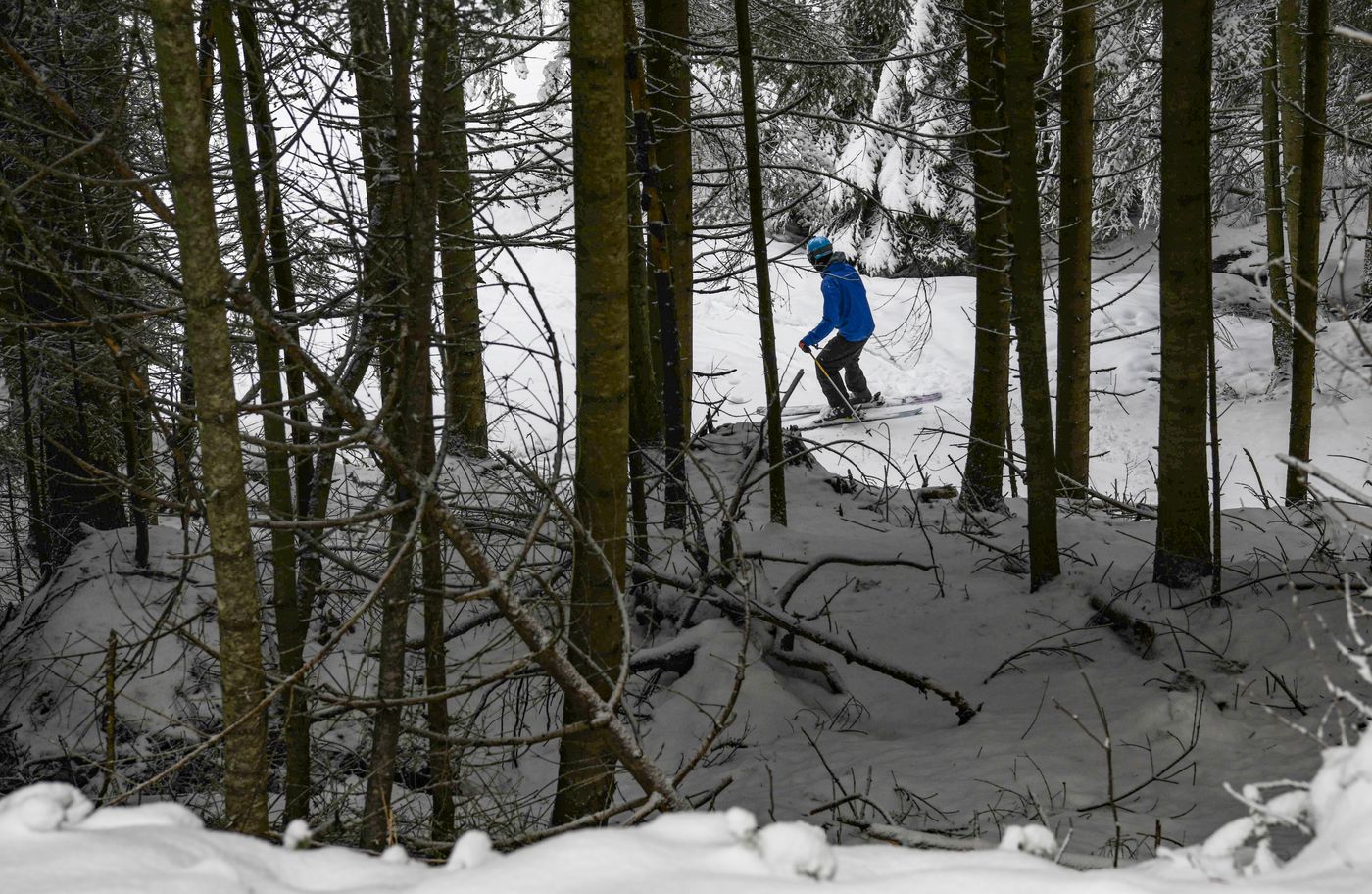
Ravna Planina: quieter runs through the pine forest. Photo: Ravna Planina
Ravna Planina is a small, friendly ski centre for those who want to ski without crowds or a long drive. It is popular with families and beginners and, in the evening under floodlights, with those who want a few more runs after work. A warm hut with a fireplace at the bottom of the slope and views of Pale and Jahorina round off the experience.
Ravna Planina is the closest ski resort to East Sarajevo: it is in Gornje Pale, 20 km from Sarajevo and 2 km from the centre of Pale. It has 12.5 km of slopes, including a 4.5 km blue run. The main run is 1,400 m long and FIS-homologated. Ravna Planina has the first cabin gondola in Bosnia and Herzegovina, 1,400 m long, which leads to a viewpoint and two artificial lakes. There are also snowmobile rides and a Dino Park with 15 life-size dinosaurs.
- Night skiing every evening from 18:30 to 21:30.
- The panoramic gondola runs from 10:00 to 16:00. The ski kindergarten by the gondola's lower station is open from 9:00 to 16:00, for children up to 10 and first-time skiers, with a moving carpet. There is also a ski school, service and rental, a sledging run, a playground, slopeside apartments and the "Gondola" hut with a fireplace and 300 seats.
- Ski passes are much cheaper than on Jahorina. The 2026/27 price list was published on 7 October 2026 at ski-rp.com; children under 5 accompanied by an adult ski free.
Treskavica and Romanija are mountains for experienced hikers. In winter they have no groomed slopes or lifts. Go only with a mountaineering club or a licensed guide, on marked trails. Parts of Treskavica were front lines, so leaving the trails is dangerous.
Things to do in winter near Sarajevo besides skiing
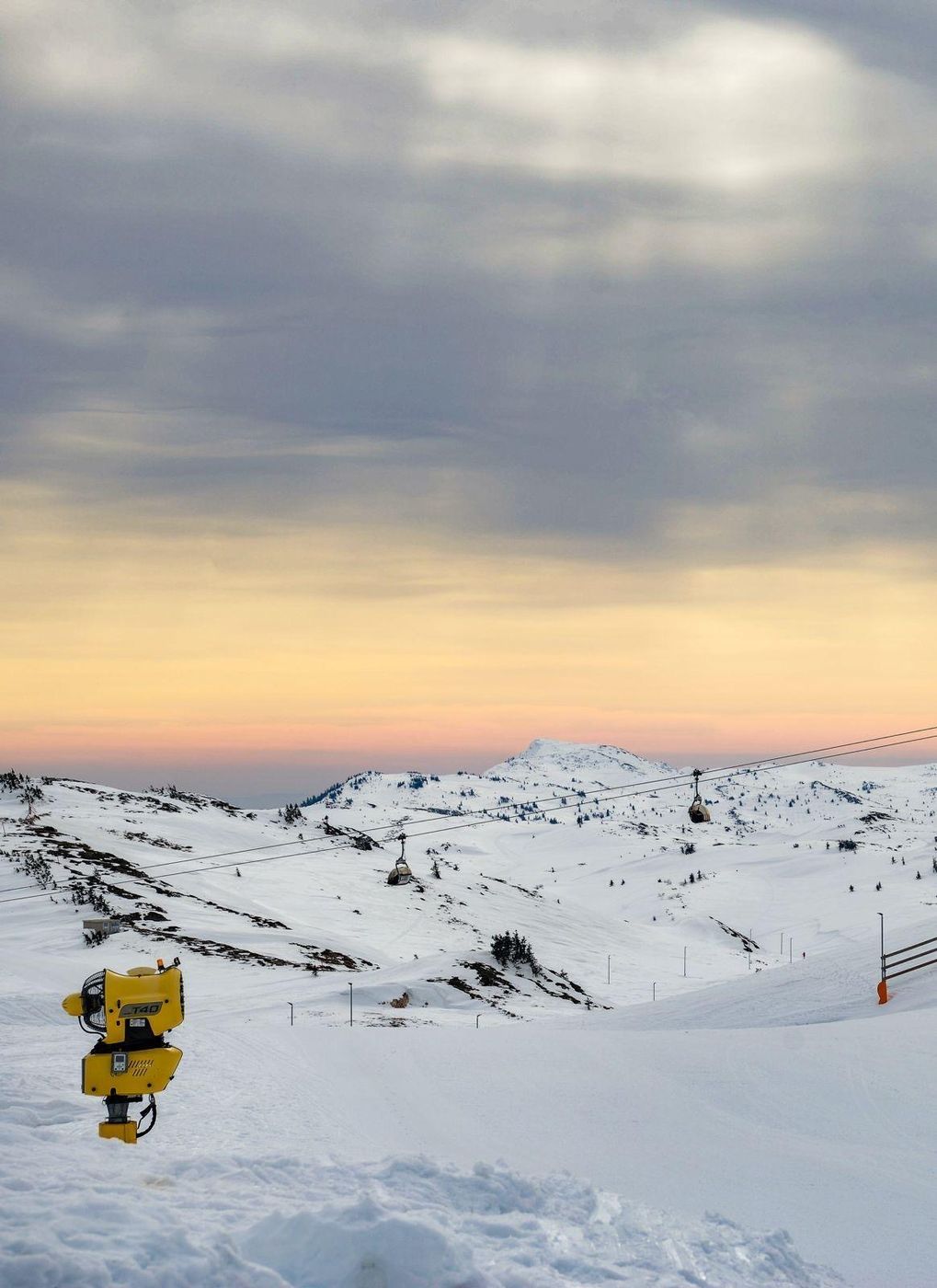
Sunset on Jahorina: winter in the mountains is more than skiing. Photo: OC Jahorina
Winter around Sarajevo is not just for skiers. These are activities you can enjoy with or without skis.
- Night skiing: Jahorina, Bjelašnica and Ravna Planina. Midweek is best, when it is less crowded.
- Sledging: the sledging run on Jahorina, Bjelašnica and Javorov Do (plus snow tubing), Igman, Trebević and Ravna Planina. Sledges can be rented on Jahorina and Ravna Planina.
- Panoramic rides: by gondola or chairlift on Jahorina, Bjelašnica and Ravna Planina, and by the Sarajevo Cable Car up Trebević. Also for non-skiers.
- Cross-country skiing: Veliko Polje on Igman, on the 1984 trails, and Velika Dvorišta on Jahorina.
- Snowshoeing: Igman, Bjelašnica and Trebević, with a local guide or agency.
- Ski touring: Bjelašnica and Treskavica, for experienced skiers only, with a guide and avalanche gear.
- Wellness and spa: hotels on Jahorina, Bjelašnica and Igman; a good plan for a day of bad weather.
- Ski school: at all resorts; a private lesson on Bjelašnica from about 37 EUR.
For children, the best options are the children's park on Bjelašnica, Malo Polje and the Montini winter park on Igman, Ravna Planina and the children's practice areas on Jahorina: gentle slopes, ski kindergartens, moving carpets and short lifts.
Paying by card in the mountains: Mastercard benefits
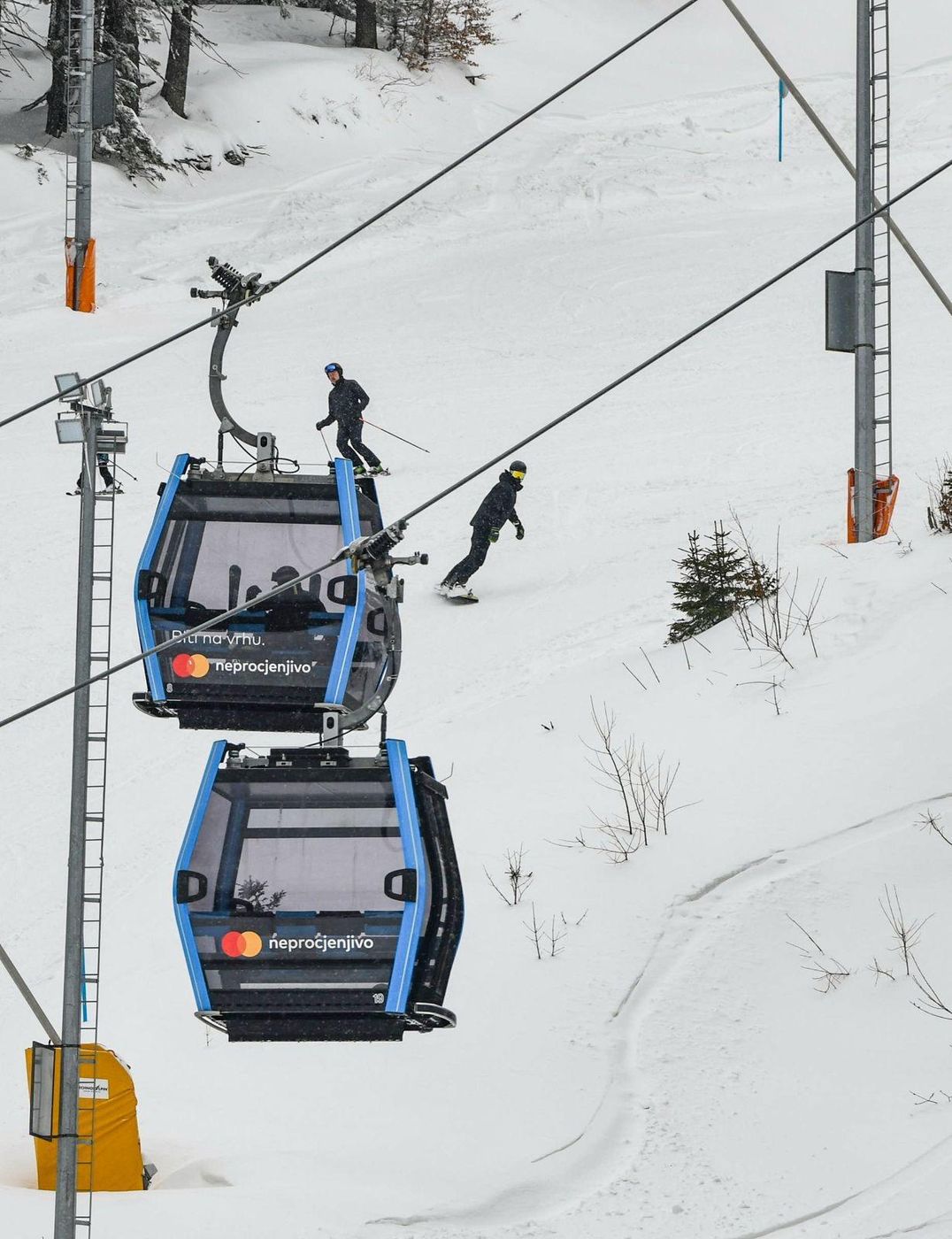
The Mastercard gondola on Jahorina: “Biti na vrhu. Neprocjenjivo.” (Being on top. Priceless.) Photo: OC Jahorina
On the Olympic mountains around Sarajevo, cards matter more every season: Bjelašnica and Igman have been fully cashless since 2026, and ski passes for Jahorina, Bjelašnica and Igman are easiest to buy online. So bring a card or mobile wallet on your ski trip, for example a Mastercard, and pay contactless at ticket offices, ski schools, restaurants and hotels.
- Online ski passes: buy your pass with a Mastercard on the Jahorina Olympic Centre webshop or at skipass.ocbjelasnica.com and skip the ticket office queue. On Bjelašnica, the online pass is 5% cheaper.
- No cash needed: Bjelašnica is card-only, and on Jahorina, in hotels and in the city a card is the fastest way to pay.
- Cardholder benefits: in earlier seasons Mastercard offered special benefits on Jahorina, such as 10% off multi-day ski passes bought online and gift vouchers with gondola rides. Check the current benefits for winter 2026/27 on the Mastercard benefits page or with your bank; we will publish them here as soon as they are announced.
- On the road: with a Mastercard you can also pay motorway tolls and fuel on the way to the mountains.
Ski schools, equipment rental and ski passes online
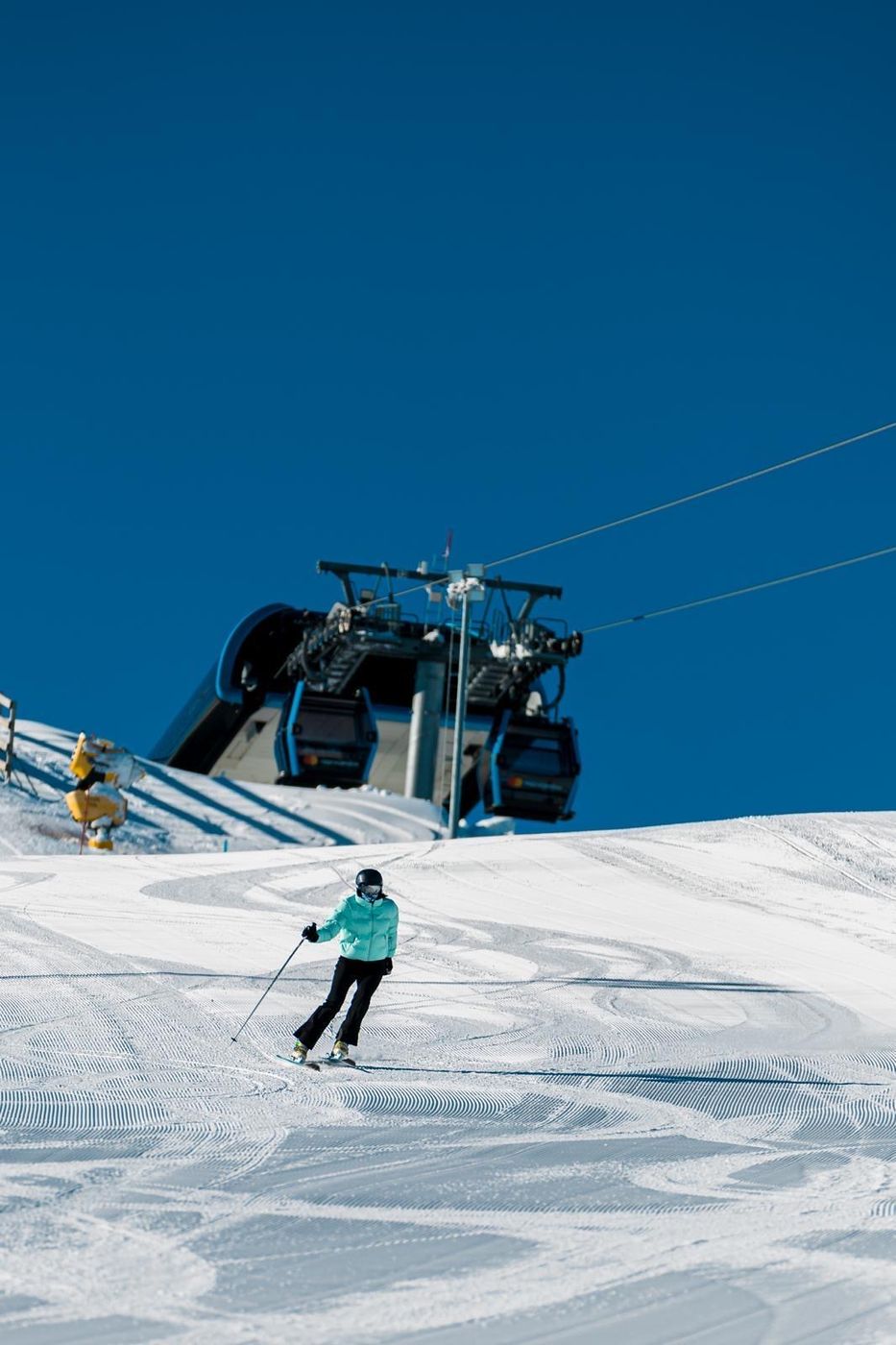
A groomed slope below the gondola on Jahorina. Photo: OC Jahorina
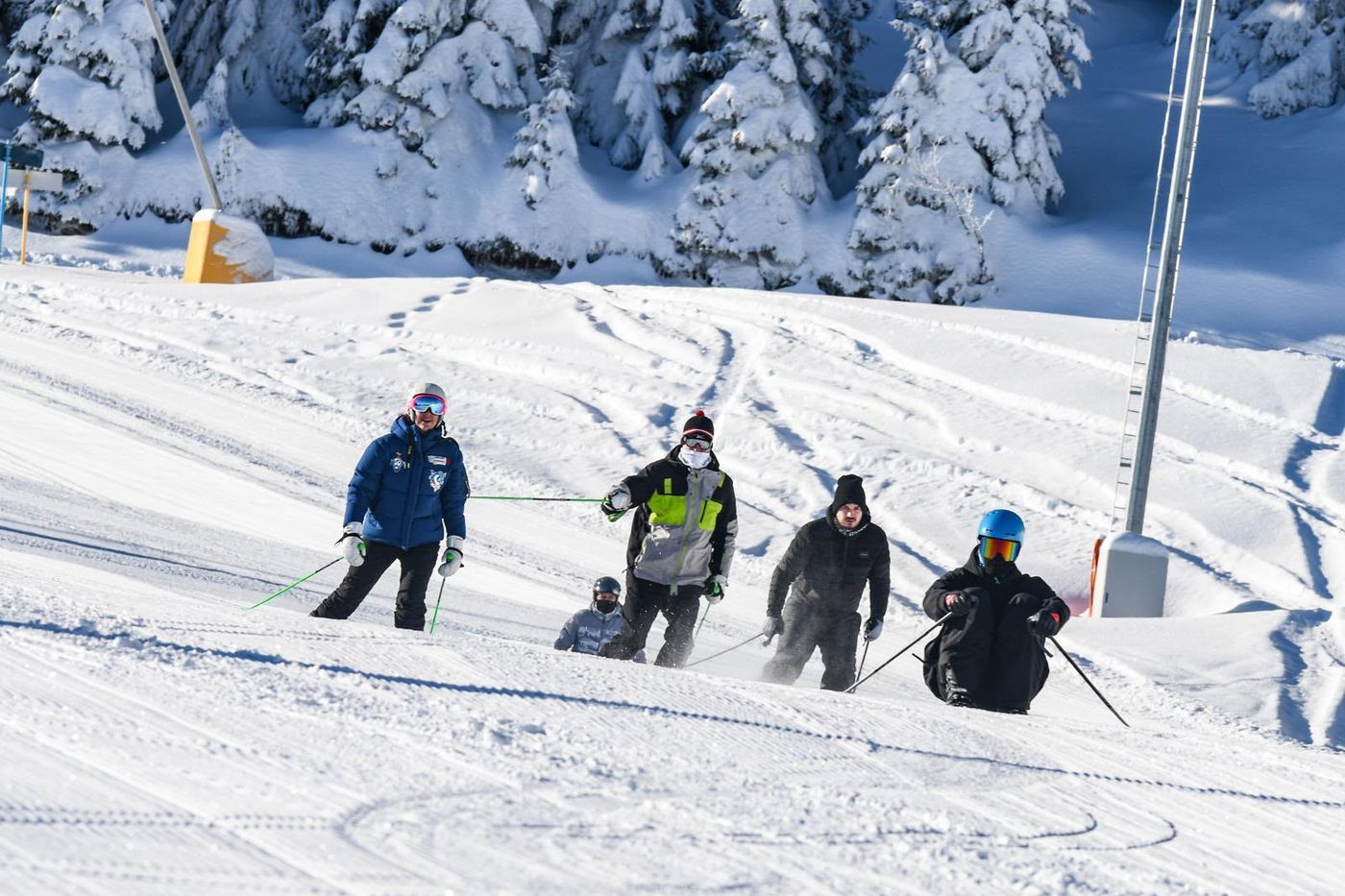
All ski resorts around Sarajevo have ski schools and equipment rental, so you can come skiing without your own skis.
- Jahorina: the Jahorina Olympic Centre ski school with group and private lessons and children's programmes; rental and service on Poljice and at the hotels; passes on the Jahorina Olympic Centre webshop.
- Bjelašnica and Igman: ski and snowboard schools at Babin Do, while Malo Polje and the Montini winter park are ideal for children and beginners; rental at the ski centre; passes at skipass.ocbjelasnica.com.
- Ravna Planina: ski school and ski kindergarten for children up to 10; rental and service at the ski centre; price list at ski-rp.com.
Tip: during the holidays and February school breaks, ski schools fill up fast. Book lessons and equipment in advance.
Where to stay in the mountains around Sarajevo
All the Olympic mountains have hotels right by the slopes, with wellness and family facilities. These are the hotels we recommend.
Jahorina
- Hotel Termag: in the heart of the ski centre at 1,550 m. Ozonated pool at the start of the slopes, sauna and jacuzzi; restaurant, Kamin hall and Koliba; supervised playroom for children.
- Aparthotel Vučko: indoor and outdoor pools, 700 m² wellness, restaurant and wine bar with a fireplace. A bar with live music and concerts, family apartments and a playroom.
- Hotel Lavina: by the slopes, with live music during the season.
- Olympic Oasis (Dvorišta): five modern mountain cabins in peace and quiet, 5 km from the ski centre. A restaurant with local specialities and daily transfers to the slopes.
Bjelašnica
- Hotel Nomad: ski-in/ski-out at 1,460 m. A 14 m pool, three saunas and a Kneipp bath; the spa is adults-only from 19:00 to 22:00. Gastro pub with a terrace overlooking Babin Do.
- Aparthotel Phoenix: apartments on Bjelašnica; we will add its 2026/27 offer once it is published.
Igman
- Hotel Monti and Montini winter park: a four-star hotel with a 2,000 m² spa. Montini is a winter park for children and beginners, with a children's ski school, beginner slopes with a lift and moving carpet, a snow carousel and snow tubing. Bjelašnica is 4 km away.
For evenings by the slopes, see the section on après-ski and concerts below.
Winter break in nature: Tarčin Forest Resort and Pino Nature Hotel
If you want peace, wellness and forest instead of crowded slopes, two hotels in Sarajevo Canton offer a winter break within easy reach of the city and the mountains.
Tarčin Forest Resort & Spa Sarajevo – MGallery
A luxury forest resort about 30 km west of Sarajevo, part of Accor's MGallery collection. It has rooms and villas with large windows facing the forest and mountains.
- Spa: Spa L'Occitane with a pool overlooking the forest, a pinewood sauna, hammam and steam bath, plus massages and treatments.
- Food and drink: the 180° panoramic restaurant and the Forest Bar. The resort is alcohol-free.
- For families: a free kids' club, playroom and playground.
- Activities: forest walks, archery, bikes, horse riding.
- Skiing: Igman and Bjelašnica are about 30–35 km from the resort, and the hotel offers transfers to the ski centres for an extra charge.
Pino Nature Hotel, BW Premier Collection (Trebević)
A modern four-star hotel on Trebević, at 1,070 m, built on the site of Prvi Šumar, a favourite Sarajevo picnic spot. It is about ten minutes by car from the city centre and about a 10-minute walk from the upper station of the Sarajevo Cable Car.
- Wellness: indoor pool, spa, sauna and massages. On Tuesdays from 17:00 to 19:00 and Wednesdays from 10:00 to 12:00 the wellness is women-only.
- Restaurant: local and international cuisine, a good choice for lunch after a snowy walk. The hotel is alcohol-free and halal-certified.
- For families: kids' club, playground and playroom.
- Payment: card only, cash is not accepted.
Both hotels are a good plan B for bad-weather days or for non-skiers.
Après-ski, concerts and parties in the mountains
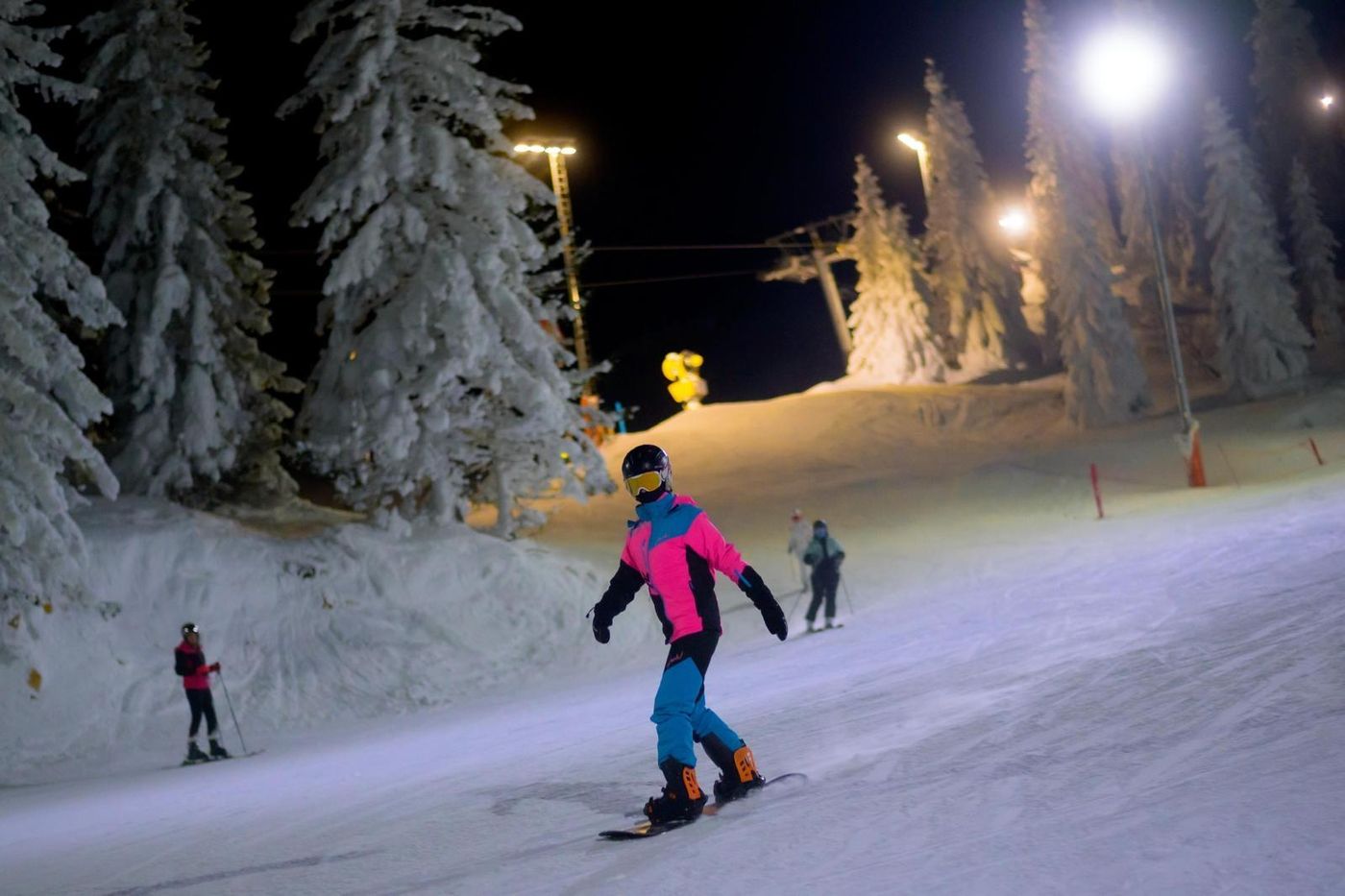
Night skiing and snowboarding under floodlights on Jahorina. Photo: OC Jahorina
When the lifts stop, the mountains around Sarajevo are only just warming up. Ski boots are swapped for snow boots, mulled wine and tea start doing the rounds, and live music drifts out of the huts and hotel bars. Après-ski on Jahorina and Bjelašnica is not just a drink after the slopes: it is good company, dancing in ski suits and concerts that go on late into the night.
Jahorina
- Hotel Vučko (Poljice): Jahorina's main concert stage. During the Ski Opening, concerts by regional stars traditionally start at 21:00, and the hotel bar has live music throughout the season. In March the Student Ski Week with concerts at Vučko is traditionally held. At the Ski Opening on 27 and 28 November 2026, Aco Pejović, Željko Joksimović, Nikola Rokvić and Naomi Campbell (as a DJ) perform.
- Koliba at Hotel Termag: in the heart of the ski centre at 1,550 m. A classic après-ski spot with music, drinks and food; the atmosphere can last late.
- Hotel Lavina: live music during the season. We will publish the schedule when it is known.
- Galeria: at the foot of the Poljice slope, for a break from skiing.
- Olimp bar: by the slope; a big New Year's party is traditionally held here, with midnight skiing when the weather allows.
- Outdoor DJ parties: during the Ski Opening, the holidays and busier weekends. We will add dates as soon as the organisers announce them.
Bjelašnica
- Benetton: an après-ski restaurant and bar at the bottom of the slopes at Babin Do, for a break from skiing, good food and occasional live acts.
- Hotel Nomad: a gastro pub with a terrace overlooking Babin Do, reached straight from the slope; local food and wines from Bjelašnica.
- Gastro Pub Fabrika, Staza, Ski Bar Baza and Operhana ski bar: more places for a break and après-ski on Bjelašnica.
Igman
- Hotel Monti (Veliko Polje): a break after skiing and walks, with the Kamin Lobby Bar, terrace and restaurant.
Tickets for concerts on Jahorina are sold on ulaznica.org and kupikartu.ba, and in earlier seasons also at the receptions of hotels Vučko, Termag and Lavina.
Winter events near Sarajevo 2026/27
Winter starts with the two-night Ski Opening on Jahorina on 27 and 28 November with Naomi Campbell, and winter ends with the Sarajevo Winter Festival on the first day of spring.
- 27 November 2026, Jahorina: Ski Opening, first night: Aco Pejović and Željko Joksimović (doors at 19:00). Tickets from 40 KM on ulaznica.org.
- 28 November 2026, Jahorina: Ski Opening, second night (doors at 19:00, programme at 22:00): Nikola Rokvić, then Naomi Campbell at the DJ booth. Tickets from 40 KM on ulaznica.org.
- 6 December 2026, Jahorina: skiing starts according to the Jahorina Olympic Centre price list, with 20% off ski passes that day, if there is enough snow.
- December 2026, Bjelašnica, Igman and Ravna Planina: start of the season, once there is snow.
- 3 December 2026 – 24 January 2027, Sarajevo: Winter on Vils (Zima na Vilsu) on Wilson's Promenade, with an ice rink, funfair, Santa's Village and a Beer Garden; around the holidays also stalls and an ice rink on Liberation Square.
- 31 December 2026, Jahorina and Bjelašnica: New Year's Eve in hotels and outdoors.
- 1 January 2027, Trebević: the traditional New Year's climb up Trebević.
- 8 February 2027, Sarajevo and the Olympic mountains: anniversary of the opening of the 1984 Winter Olympics.
- February 2027, Sarajevo and the Olympic mountains: Sarajevo Olympic Week, a sports and cultural programme celebrating the Olympic legacy. Dates to be announced.
- 7 February – 21 March 2027 (provisional), Sarajevo: International Sarajevo Winter Festival.
- February – March 2027, Sarajevo: "Feel the Spirit of Ramadan", an event by the Sarajevo Canton Tourist Board – Visit Sarajevo, with iftars, taraweeh prayers, concerts and gatherings during Ramadan.
- March 2027, Jahorina: end of the season with the biggest discounts (30% from 8 March).
- During the season, Bjelašnica: Sabah Ski, skiing at sunrise down the Olympic run. Dates for 2026/27 not yet announced.
Concerts, competitions and hotel offers are announced during the season. The current schedule is in the Sarajevo Navigator events calendar.
Winter in Sarajevo: the city under snow
Sarajevo is one of the few cities where you can ski an Olympic slope in the morning and stroll through snowy Baščaršija in the evening. These are our tips for a winter day in the city.
In winter Sarajevo takes on a special warmth. Snow covers the copper domes and rooftops of Baščaršija, the smell of the grill drifts from the ćevabdžinicas, and people linger in cafés over a džezva of coffee and conversation. When darkness falls, the lights on Trebević and the surrounding hills turn the valley into a postcard, and the city stays up late: from concerts and theatre to clubs and holiday markets.
In short: in winter you don't need to ski to enjoy Sarajevo. From 3 December to 24 January, Wilson's Promenade hosts the Winter on Vils holiday market with an ice rink, the cable car takes you from the Old Town to the snow on Trebević in nine minutes, and the Olympic Museum, traditional eateries, thermal pools and nightlife fill every day, whatever the weather.
Winter on Vils and skating in the city
The biggest holiday event in the city is Winter on Vils (Zima na Vilsu) by Sarajevo Holiday Market on Wilson's Promenade, along the Miljacka river. This winter it runs from Thursday, 3 December 2026, to Sunday, 24 January 2027.
- Ice rink: about 600 m² of outdoor ice. Last season skating was free thanks to the Novo Sarajevo Municipality, and children could join a free skating school (sign-ups via the event's social media).
- Ferris wheel: 33 metres high, with views over the snowy city.
- For children: a funfair with a carousel, a mini train and other rides, plus Santa's magic.
- For adults: the Carlsberg Beer Garden with live music and after-work parties.
- Liberation Square – Alija Izetbegović: around the holidays stalls and an ice rink appear here too.
Tip: it is loveliest at dusk, when the lights come on. Weekend evenings are the busiest, so with small children come on a weekday afternoon.
Cable car and Trebević: snow above the city
The Sarajevo Cable Car leaves from Bistrik, about ten minutes' walk from Baščaršija, and takes you up Trebević in nine minutes, to the station at 1,160 metres. It runs every day from 9:00 to 17:00, and on Mondays from 12:00 to 17:00. Up top you'll find snow, a walk to the 1984 Olympic bobsled track and a view over the whole valley, and you can warm up at the Spazio Gourmet Belvedere restaurant in Roof Gardens and at the Zmajevac viewpoint.
At the other end of Trebević, at Zlatište, is the Sunnyland amusement park with a 600-metre alpine coaster. It is not reached by cable car but by car or taxi; in winter, check that it is open before you go.
Tip: take the cable car in the morning or on a weekday, when queues are shortest. The best light for photographing the snowy city is late afternoon, but make sure you are back before the last ride at 17:00.
Olympic Museum: winter 1984 first-hand
If you want to know how Sarajevo became an Olympic city, visit the Olympic Museum in the restored Mandić villa, near Koševo and Zetra. Photographs, equipment and medals from the XIV Winter Olympic Games in 1984 tell the story of a winter the city still remembers, and after a visit you will see the slopes of Bjelašnica, Jahorina and Igman with different eyes. It is ideal for a cloudy day or an afternoon off the slopes. Check opening hours before you go, as they change in winter and around the holidays.
What to eat in Sarajevo in winter
Winter is the season of slow-cooked dishes, and the best are found in aščinicas, Sarajevo's traditional home-cooking restaurants. Try begova čorba (the Bey's soup), Bosnian pot (bosanski lonac), sogan-dolma (stuffed onions), sarma and japrak, beans or klepe dumplings. Good places to start are Aščinica ASDŽ and Aščinica Hadžibajrić F. Namika, and for dinner, opposite the City Hall, Inat Kuća. Everyday, home-style Bosnian cooking is also on offer at Avlija, Klopa and Dveri.
For dessert have tufahija or hurmašice, and to warm up try salep, a hot drink made from wild orchid root, or boza. When you fancy coffee and a book while the snow falls outside, drop into Kawa or Libris.
An evening in Sarajevo
Winter evenings in Sarajevo are long and lively. The National Theatre, Chamber Theatre 55 and SARTR stage plays, the Bosnian Cultural Centre and Skenderija host concerts, and for live music head to Jazzbina, Cinemas Sloga or Silver & Smoke. For a beer and a good atmosphere there are Celtic Pub, Sarajevsko Pub Minjon and Blind Tiger. See what's on this week in the Sarajevo Navigator events calendar.
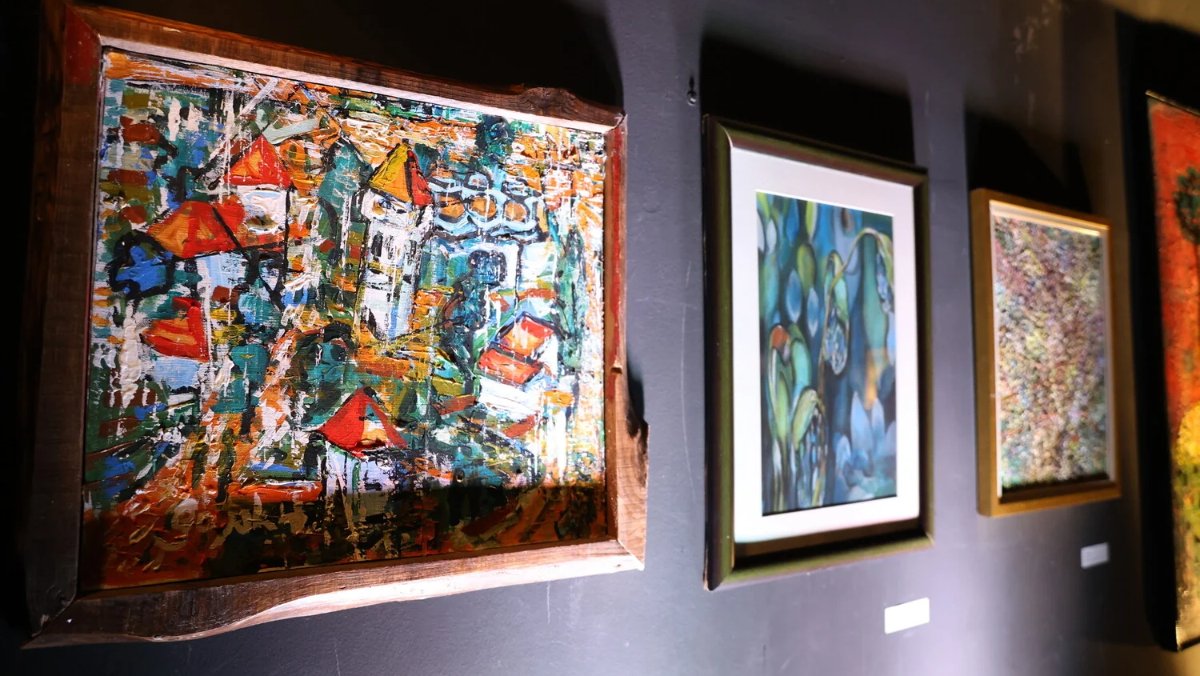
From 7 February to 21 March the International Sarajevo Winter Festival takes place. Its first edition was held in honour of the 1984 Winter Olympics, and every year the festival brings exhibitions, concerts and performances across the city.
With children when it's too cold for the mountains
Wellness and relaxation
After a day in the snow or a whole day walking around town, find a massage and sauna at Sultan Spa, Spa Sarajevo, Point or Etna Sense Thai Massage. If you want a whole weekend of peace in the forest, Tarčin Forest Resort and Pino Nature Hotel have spa centres within easy reach of the city (more in the section on winter breaks in nature).
Gifts and souvenirs
For handmade gifts, stroll through Baščaršija: copper craft at Huseinović Coppersmith, hats and warm caps at Hrapović Hats, and designer souvenirs at Bazerdžan, Bosnian Fairy Tale and Franz & Sophie. When it's too cold outside, carry on shopping at ARIA Mall or Sarajevo City Center.
Practical tips for winter in the city
- Temperature: daytime temperatures in winter are usually around zero, and nights are colder. Dress in layers, as indoor spaces are well heated.
- Footwear: the cobblestones and stone streets of Baščaršija are slippery in winter. Wear shoes with a good grip.
- Fog and air quality: Sarajevo lies in a valley, so in calm, cold weather fog and polluted air can settle over the city. When that happens, head up high: Trebević, Bjelašnica and Jahorina are often sunny above the fog. Check air quality on the website of the Sarajevo Canton Institute for Public Health or in apps such as IQAir. When the air is bad, children, older people and pregnant women should avoid spending long periods outdoors.
- Flights: thick fog can disrupt flights at Sarajevo Airport. If you travel in winter, leave a buffer between your flight and important commitments, and check your flight status.
- Early darkness: in December it gets dark before 16:30, so plan walks and trips for the morning.
- Holidays: on 25 December, 1 and 2 January and 7 January some shops, museums and offices are closed or keep shorter hours.
Our suggestion for a winter weekend in Sarajevo: spend the first day on Jahorina or Bjelašnica, from the first lift to après-ski, and come back to town for dinner in the Old Town. On day two, take the cable car up Trebević in the morning, walk to the Olympic bobsled track and come back down for coffee and burek in Baščaršija. In the afternoon visit a museum or warm up at the Thermal Riviera or a spa, and at dusk stroll through Winter on Vils. End the evening at a concert, the theatre or one of Sarajevo's clubs. If you have an extra day, explore Igman with the kids or quiet Ravna Planina.
How to get to the mountains from Sarajevo
All the mountains are within half an hour's drive of the centre, and Trebević is reached by cable car.
- Jahorina: via Lukavica and Pale, about 30 km. Ravna Planina is on the way, near Pale.
- Bjelašnica and Igman: along the M18 main road to Krupac, then the R442a regional road towards Igman and Bjelašnica, about 25–32 km.
- Trebević: the Sarajevo Cable Car from Bistrik (Old Town), or by car via the Old Town.
- Bus: in season, GRAS, Centrotrans and operators from East Sarajevo run ski buses to Bjelašnica and Jahorina. Departures and prices are published before the season.
- Taxi: agree the price in advance. In the past, a ride to Jahorina or Bjelašnica cost around 60 KM one way.
- Organised trips: Sarajevo agencies offer day ski trips with transport, equipment and ski school.
Tip: at weekends and on holidays the road to Jahorina can be congested. Leave early or take the bus.
Useful information and safety
- Winter equipment for cars is mandatory from 1 November to 1 April throughout Bosnia and Herzegovina, whatever the weather. That means winter tyres on all wheels, or tyres with at least 4 mm of tread plus snow chains. The fine is 40 KM, and police can stop vehicles without the equipment.
- Road conditions: check BIHAMK information before you set off. In heavy snow, mountain roads can be closed or passable only with chains.
- Weather: temperatures in the mountains often drop below −10 °C. The lowest temperature in Bosnia and Herzegovina was recorded on Igman, −43.5 °C. Dress in layers and bring spare gloves.
- Payment: on Bjelašnica you can pay by card only, so bring a card, for example a Mastercard. On Jahorina cards are accepted at ticket offices and hotels, and in mountain villages it is useful to have some cash in KM.
- Mines: on Trebević, Treskavica and other former front lines, do not leave groomed and marked trails.
- On the slopes: helmets are recommended for everyone, especially children. Don't go off-piste without a guide and avalanche gear.
- Emergency numbers: police 122, ambulance 124. Mountain Rescue Service rescuers are on duty at the ski resorts.
- Live slope and snow conditions: before setting off, check the Jahorina Olympic Centre ski info (oc-jahorina.com), the Bjelašnica slope and lift map (mapa.ocbjelasnica.com) and the webcams on ski.ba.
Frequently asked questions
When does the ski season start near Sarajevo? On Jahorina the 2026/27 season opens with the two-night Ski Opening on 27 and 28 November 2026, featuring Naomi Campbell, and skiing starts on 6 December according to the price list, once there is enough snow. Bjelašnica, Igman and Ravna Planina usually start in mid-December, when there is enough snow. The season lasts until the end of March or early April.
How much is a ski pass on Jahorina? An adult day pass for the 2026/27 season costs 98 KM (50.5 EUR), and 83 KM for children. In the early season, from 18 January to 7 February and in March, prices are 15–30% lower.
Where is skiing cheapest near Sarajevo? On Ravna Planina and Bjelašnica. A day pass on Bjelašnica is 69 KM, or 65 KM online, and on Ravna Planina it was about 30 KM in previous seasons.
Where can I ski at night? On Jahorina every evening on the Poljice and Partizan gondolas, roughly from 18:00 to 21:00, and on Ravna Planina from 18:30 to 21:30.
Which mountain is best for children and beginners? The children's park on Bjelašnica, Malo Polje and the Montini winter park on Igman, Ravna Planina and the children's practice areas on Jahorina. Children under 6 ski free on Jahorina with an adult.
Can I get to the mountains without a car? Yes. The Sarajevo Cable Car runs up Trebević from the Old Town, and in season there are ski buses to Bjelašnica and Jahorina.
What do I need for driving in winter? From 1 November to 1 April winter equipment is mandatory in Bosnia and Herzegovina: winter tyres, or summer tyres with at least 4 mm of tread plus chains.
Where can I go sledging near Sarajevo? You can sledge on the sledging run on Jahorina, on the small children's run on Bjelašnica and in Javorov Do (plus snow tubing), on Igman, Trebević and Ravna Planina.
What can I do in Sarajevo in winter if I don't ski? Take the cable car up Trebević, stroll through the Winter on Vils holiday market and go skating, visit the Olympic Museum, try winter dishes in the aščinicas and swim at the Thermal Riviera in Ilidža. For a gondola ride without skis there are Jahorina, Bjelašnica and Ravna Planina, and for peace and a spa Tarčin Forest Resort and Pino Nature Hotel.
Can I buy a ski pass online? Yes. Jahorina sells passes on the Jahorina Olympic Centre webshop, and Bjelašnica and Igman at skipass.ocbjelasnica.com. Since 2026, Bjelašnica accepts card payments only.
Can I pay by card in the mountains around Sarajevo? Yes. Bjelašnica and Igman have been fully cashless since 1 January 2026, and on Jahorina cards are accepted at ticket offices, hotels and restaurants. The easiest option is to bring a card or mobile wallet, for example a Mastercard, and buy your ski pass online.
How far are the ski resorts from Sarajevo Airport? Bjelašnica and Igman are about 25–32 km from the city and close to the airport, and Jahorina about 30 km via Lukavica and Pale. All can be reached in under an hour's drive.
What is Sabah Ski on Bjelašnica? Sabah Ski is skiing at dawn, at sunrise, organised several times a season by the Bjelašnica–Igman Olympic Centre. The lifts start early in the morning, between 5:00 and 7:15, and skiers descend from the top of Bjelašnica down the 1984 Olympic run. In January 2026 it drew more than a thousand skiers and was free.
Is a Sarajevo ski pass valid at other resorts in the region? A season pass is. Under the SKI REGION agreement, signed on Jahorina on 19 November 2026, season-pass holders can ski for three days at each partner resort: Jahorina and Bjelašnica, Kopaonik, Kolašin 1600 and 16 resorts in Slovenia. Day and multi-day passes are not included, and the resorts will announce how days are booked.
Where can I go ice skating in Sarajevo? The largest outdoor rink is on Wilson's Promenade, as part of Winter on Vils, which runs from 3 December 2026 to 24 January 2027 this winter. Last season skating there was free, and there was a free skating school for children. Around the holidays there is also a rink on Liberation Square – Alija Izetbegović.
What if Sarajevo is foggy? In calm, cold weather fog and polluted air can settle over the valley. When that happens, head up high: take the cable car up Trebević or go to Bjelašnica and Jahorina, where it is often sunny above the fog. Check air quality on the Sarajevo Canton Institute for Public Health website or in the IQAir app, and if you are flying on those days, check your flight status.