










/
News
BBC on Lukomir: the last semi-nomadic village, 90 minutes from Sarajevo
/
YOU MIGHT BE INTERESTED
The story was written by New York travel writer Kristin Vuković, who also writes for The New York Times and AFAR. From Sarajevo she drove for an hour to Umoljani on Mount Bjelašnica, then hiked seven kilometres – about three hours – to Lukomir with guide Edin Ogrešević of Meet Bosnia Travel. On the way she heard the legend of the dragon: a rock above Umoljani that locals say is a dragon turned to stone after leaving the Rakitnica canyon.
She spent the night with Saima and Omer Čomor. Saima taught her to stretch dough for sirnica, a pie filled with eggs and fresh cow’s cheese and baked in a wood-fired oven, and to spin wool on a spindle. Breakfast is homemade bread, kajmak and tea with rosehip jam. According to the BBC, a night with the Čomor family costs €30 and a pie-making lesson €15.
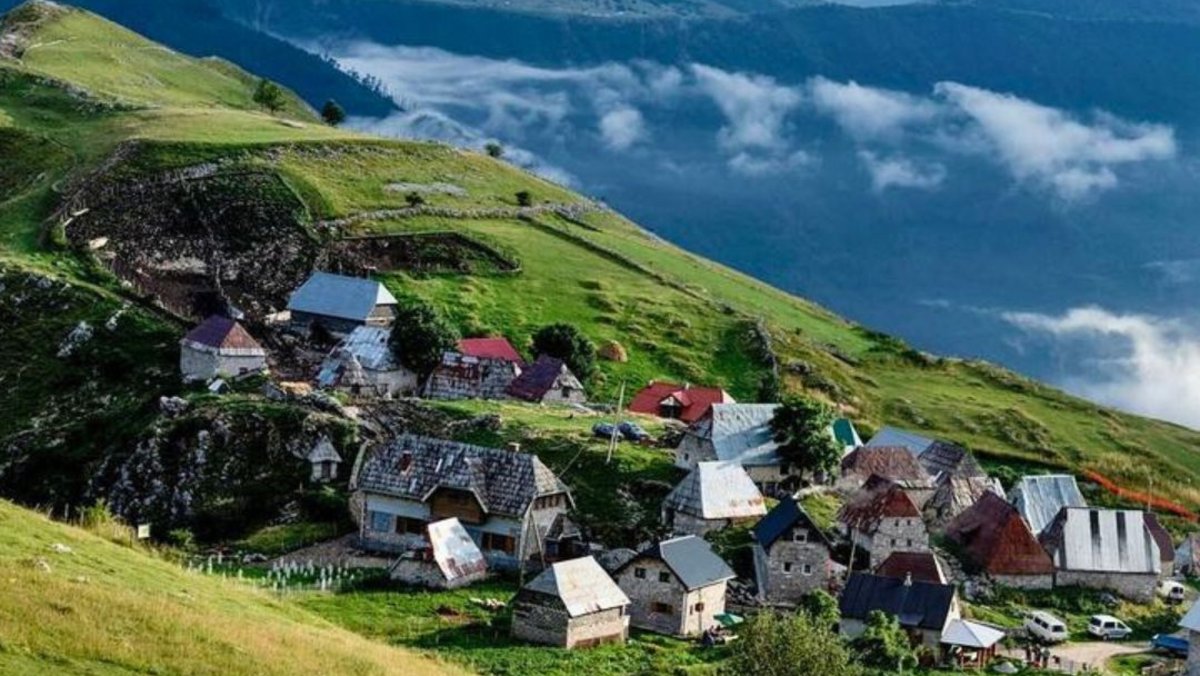
Stećci, medieval tombstones from the 14th century, stand at the entrance to the village, and the traditional katuns are two-room stone houses with steep roofs. Most were replaced by new houses with tin roofs after the war, but Rahima and Vejsil Čomor still live in one of the old ones: Vejsil carves spoons from white maple and Rahima sells hand-knitted wool socks.
Around 55 people in 25 families live in Lukomir today, mostly from the Masleša and Čomor families, and the village receives between 100,000 and 150,000 visitors a year, many of them hiking the Via Dinarica trail. “God has given us grace, because tourists come,” Saima told the BBC.
Lukomir is inhabited from 1 May to 1 November, weather permitting. In late October villagers move down to their winter homes, mostly in Hadžići, and those who still keep sheep walk them there – a journey of about ten hours. The village is liveliest on the first Sunday in August, during the traditional teferič festival, so the best time to visit is from late May to October.
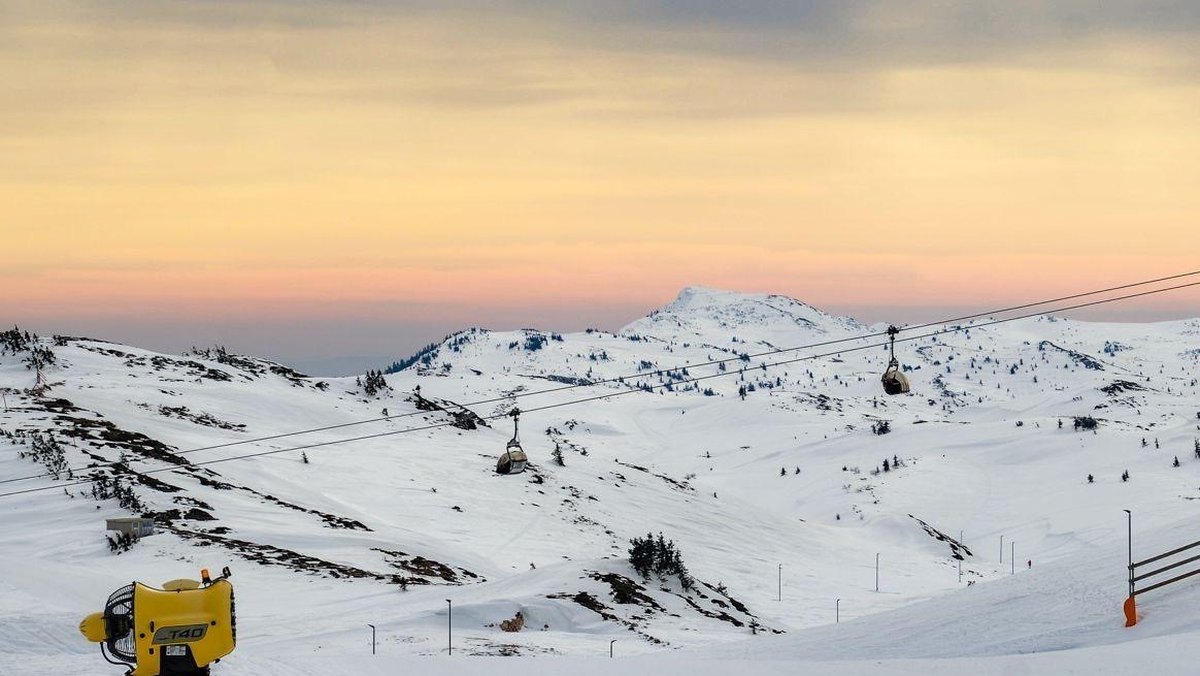
While Lukomir sleeps through the winter, Bjelašnica – the mountain you cross to reach it – becomes an Olympic ski resort, so this mountain above Sarajevo is worth a trip in every season.
Lukomir is about 45 kilometres from Sarajevo, a drive of around an hour and a half via Babin Do on Bjelašnica. Most of the road is paved, but the last 11 kilometres are gravel. On foot, the village is reached from Umoljani on a trail of about seven kilometres. Day trips from Sarajevo, with pick-up in the city, are run by Meet Bosnia Travel, the agency of the guide featured in the BBC story. Read more about the village’s history in our story Lukomir – the last Bosnian village.
Where is Lukomir? Lukomir is a village on Mount Bjelašnica, at 1,495 metres above sea level, overlooking the Rakitnica canyon. It is the highest and most remote inhabited village in Bosnia and Herzegovina.
How far is Lukomir from Sarajevo? About 45 kilometres, or an hour and a half by car via Bjelašnica; the last 11 kilometres are on a gravel road.
When is the best time to visit Lukomir? From late May to October, while the villagers are there. From November to May the village is mostly empty.
Can you stay overnight in Lukomir? Yes, with local families. According to the BBC, a night with the Čomor family costs €30 and a pie-making lesson €15.
Source: BBC Travel, Kristin Vuković
RECOMMENDED PLACES