


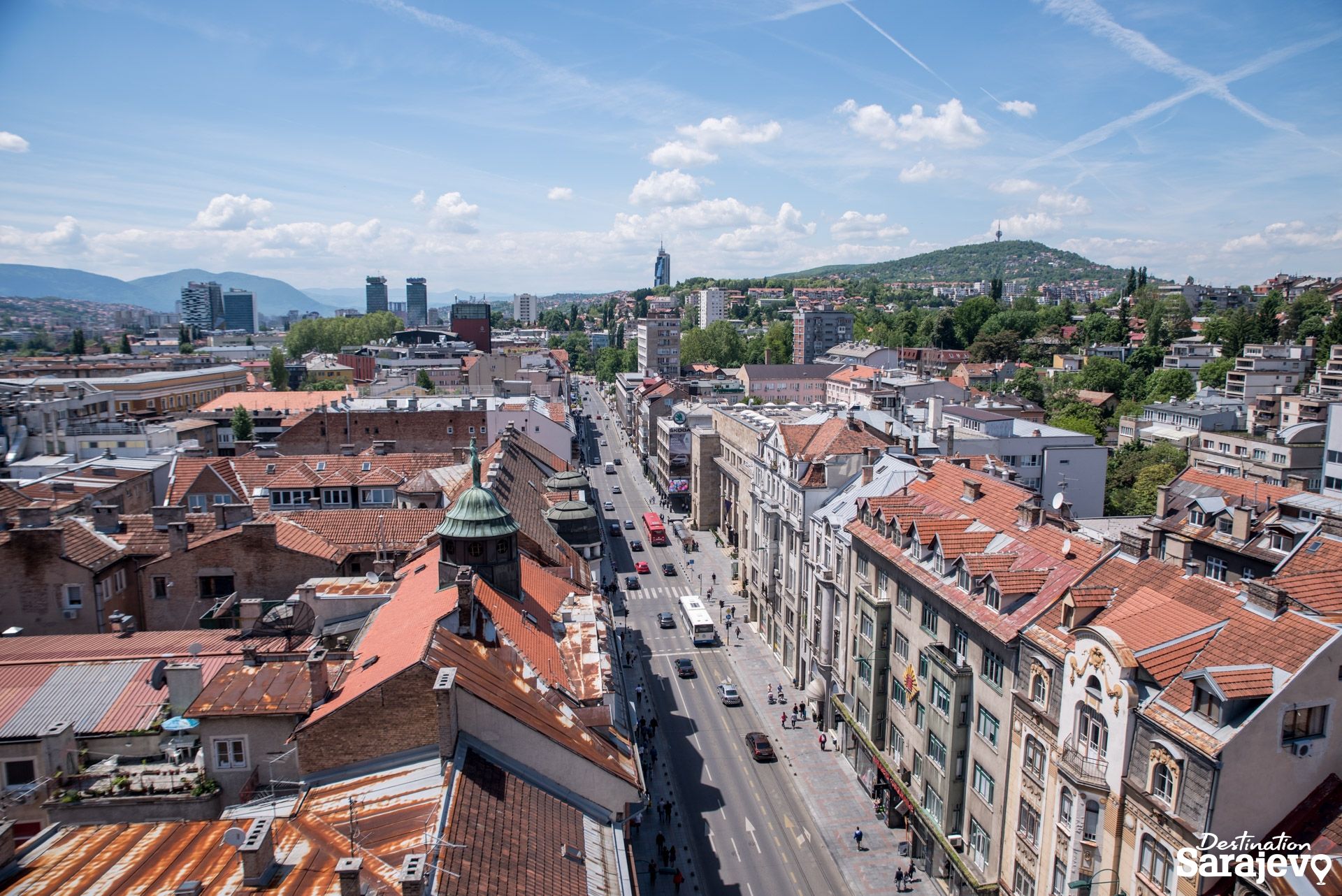
The Museum of the City of Sarajevo was founded in 1949 and tasked with preserving the historical and cultural heritage of Sarajevo
/
Sarajevo stories
Museum of Sarajevo
Updated: 29 June 2026
First housed in the attic of Vijećnica, in 1954 it was allowed to use the building formerly used by the Islamic law-judges school. The administrative office remained here all the way up until 1993, when the building was returned to the Islamic Community for the Islamic Science Faculty.
Five annexes
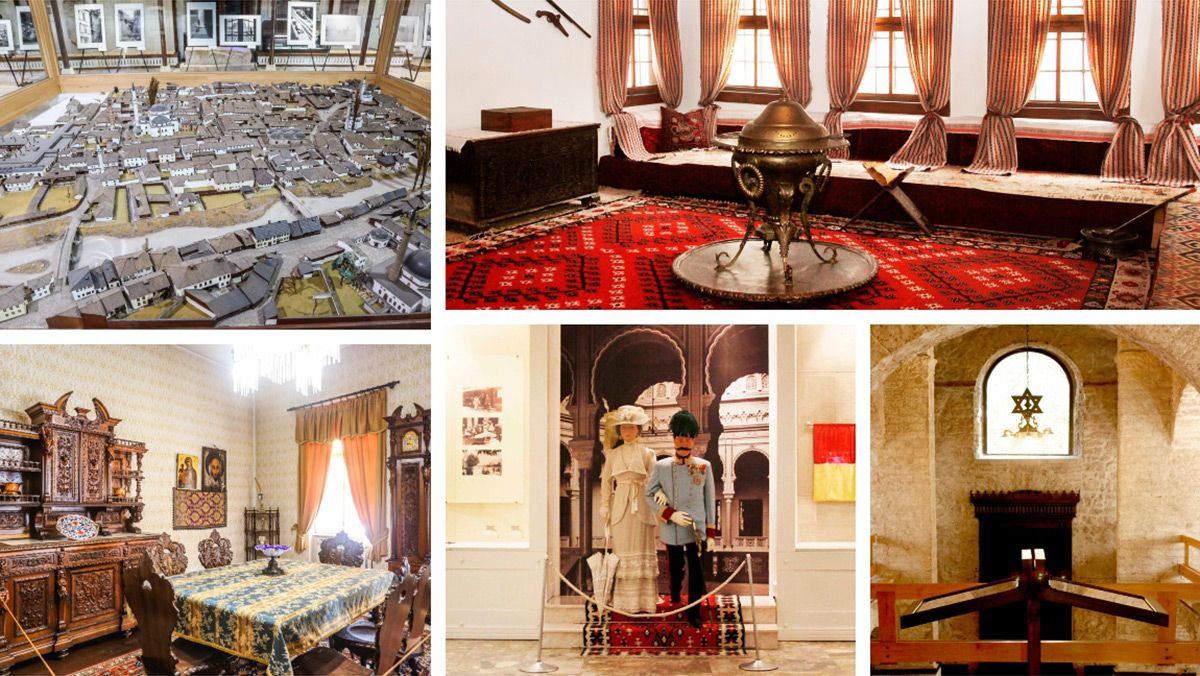
The Mlada Bosna Museum opened as the museum’s first annex in 1953. It was housed in the former Šilerova workshop, and the assassination of Franz Ferdinand and his wife, Sophie, was carried out in front of this building. Today, it is home to the Museum of Sarajevo 1878-1918 (Zelenih Beretki 1), which has broadened its scope to look at the assassination, as well as the city up to the end of Austro-Hungarian rule.
As a testimony to the 500-year Jewish presence in the region, the museum opened its second annex in 1966. The Jewish Museum of BiH (Velika Avlija bb) is housed in the Old or Great Temple (Il Kal Grandi), BiH’s oldest synagogue, from the late 16th century. The museum collection tells the story of the lives of Sarajevo’s Jews, their contribution to the city’s development and the loss of life during WWII.
In the 1960s, the museum family acquired two more annexes - Svrzo House and Despić House.
Svrzo House (Glođina 8) is one of the best preserved examples of residential architecture in BiH from the Ottoman period (18th c.), a time when wealthy homes were divided into a public area (selamluk) and a family section (haremluk). It first belonged to the prominent Glođo family, and was then passed on to the Svrzo family through marriage, and the latter sold it to the Museum of the City of Sarajevo.
The first theater productions in Sarajevo were put on at Despić House (Despićeva 2). The oldest part of this home was built in the 17 century and it was bequeathed to the city by Pero Despić, so as to create an exhibit that shows the way of life of an old Sarajevo Serb family and preserve the memory of the Despić family.
/
YOU MIGHT BE INTERESTED
/Šoping
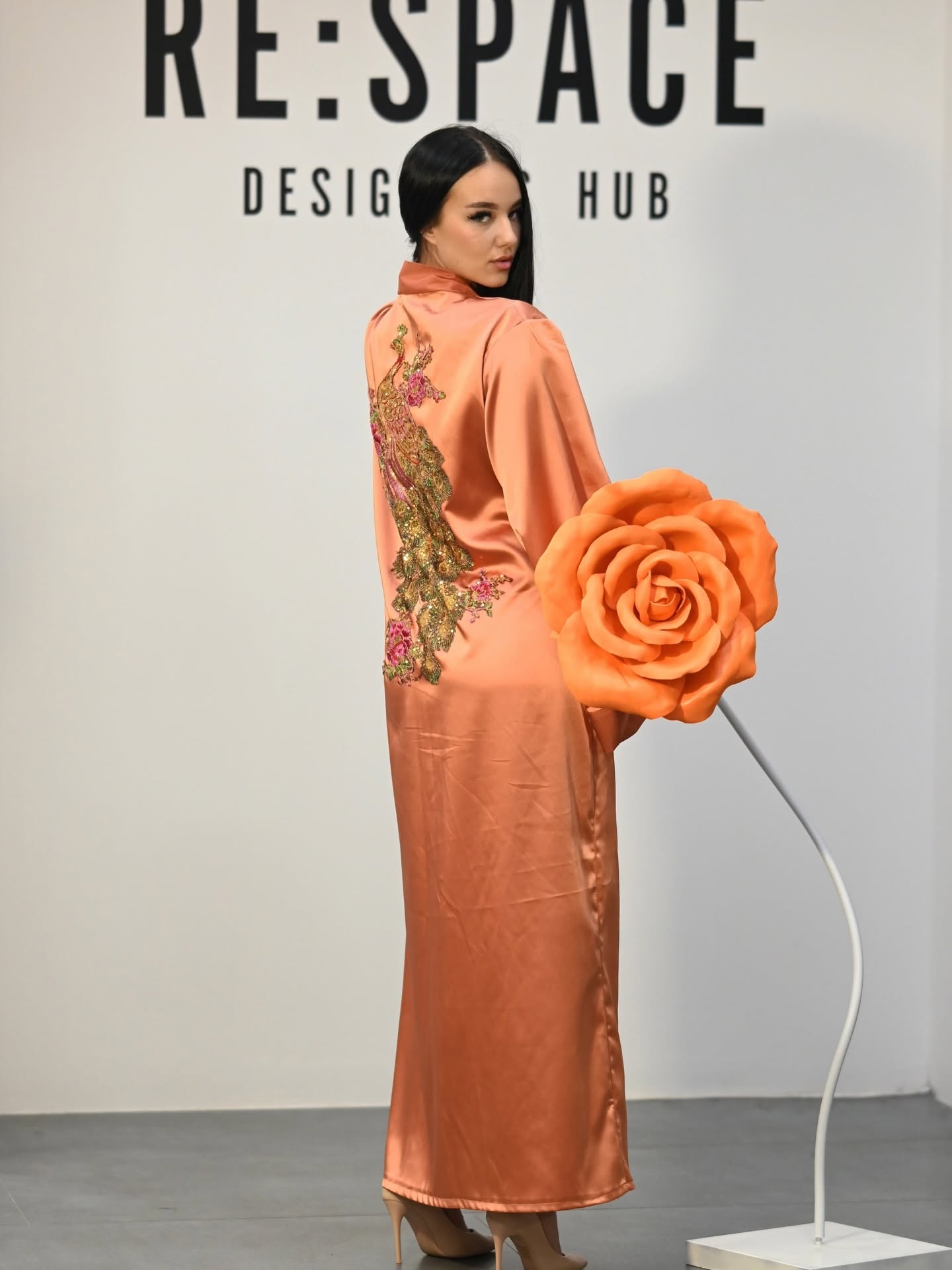
RE:SPACE Designers Hub
U svom dizajnerskom showroomu i edukativnom prostoru, posjetioci mogu otkriti jedinstvenu odjeću, umjetnička djela, nakit, modne dodatke, ukrasne predmete i ručno rađene proizvode lokalnih dizajnera i umjetnika, među kojima su Aida Korman, Ljiljana Šaković-Mujan i Samina Trako, uz radove ostalih autora koji oblikuju savremenu kreativnu scenu Bosne i Hercegovine. 3. sprat ARIA Malla / Trg Djece Sarajeva 1, Sarajevo Mob. +387 60 300 6273 IG: @respace.sarajevo
/Gdje odsjesti
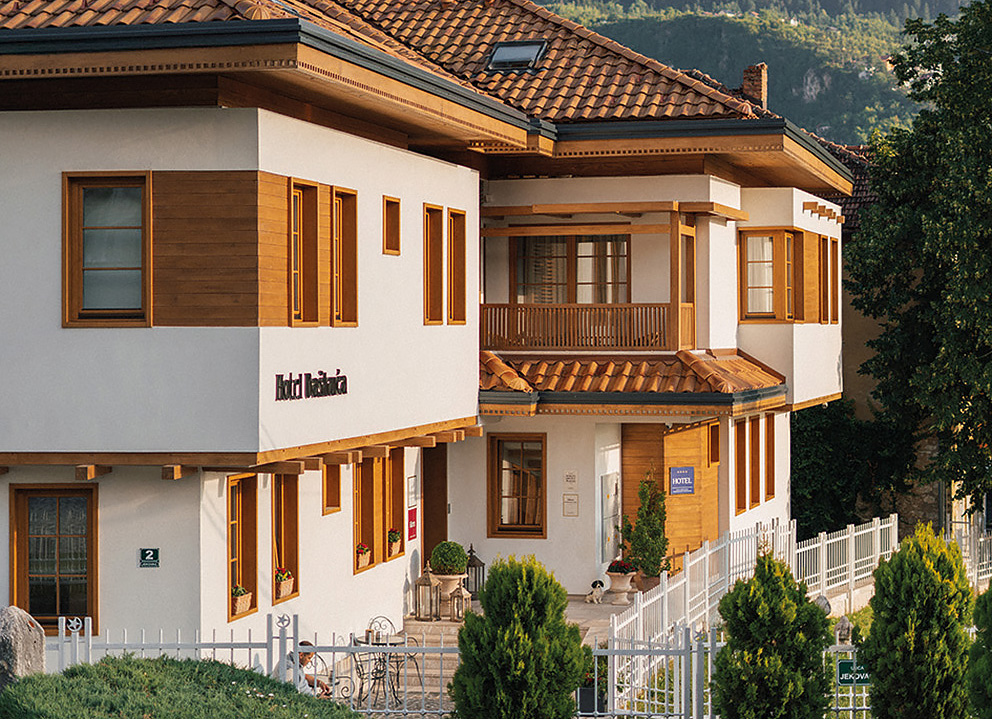
Hotel Baškuća
Prepoznat od strane prestižnih medija TIME (The World's Greatest Places 2025), The Guardian, The Times i Vogue, ovaj arhitektonski dragulj savršeno spaja formu tradicionalne bosanske kuće sa bezvremenskim luksuzom. Sa 22 sofisticirane sobe i 2 apartmana, hotel pruža intiman osjećaj privatnosti i čarobne poglede na historijsko jezgro Sarajeva i okolne brežuljke, dok su Vijećnica i Latinski most udaljeni na svega nekoliko minuta hoda. Enterijer slavi lokalni identitet kroz vrhunski bh.…
/Sarajevske priče
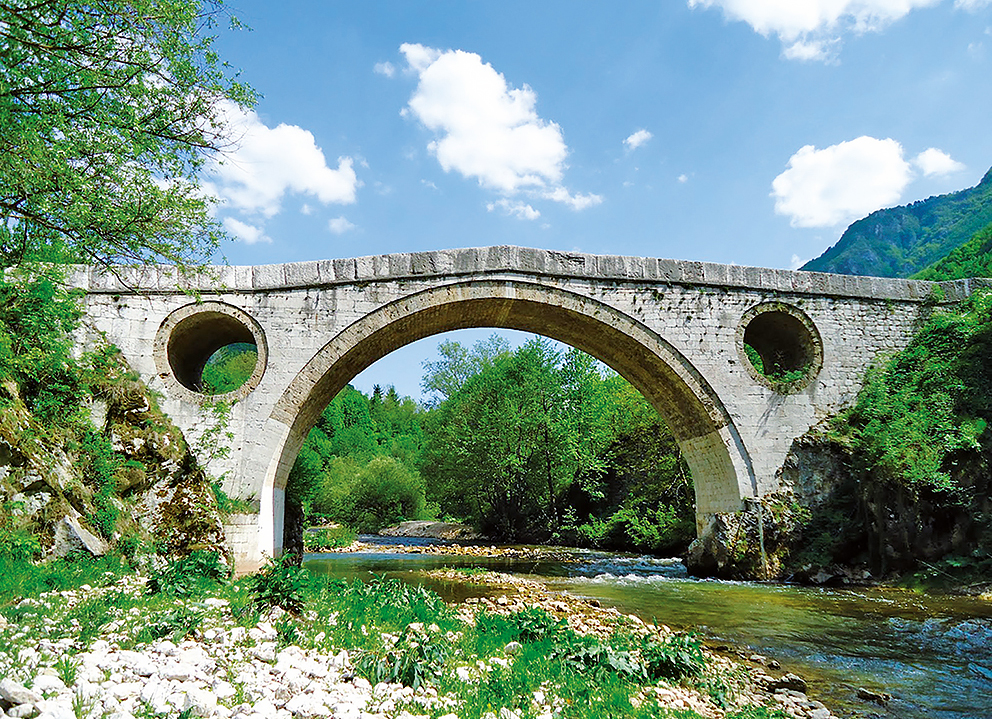
Kozija ćuprija
Sakrivena u dramatičnom, stjenovitom kanjonu gdje je Miljacka najuža, Kozija ćuprija ponosno stoji kao jedini u cijelosti sačuvani most iz osmanskog perioda na rijeci. Sagrađena u zlatnom 16. vijeku na legendarnoj Carskoj džadi, ova kamena ljepotica predstavlja vrhunsku arhitektonsku eleganciju. Isklesana većim dijelom od bijelog hrešanskog kamena, plijeni poglede svojim vitkim lukom i dva prepoznatljiva kružna otvora koji joj daju prividnu lakoću. Njeno ime i danas krije veo tajni;…


