

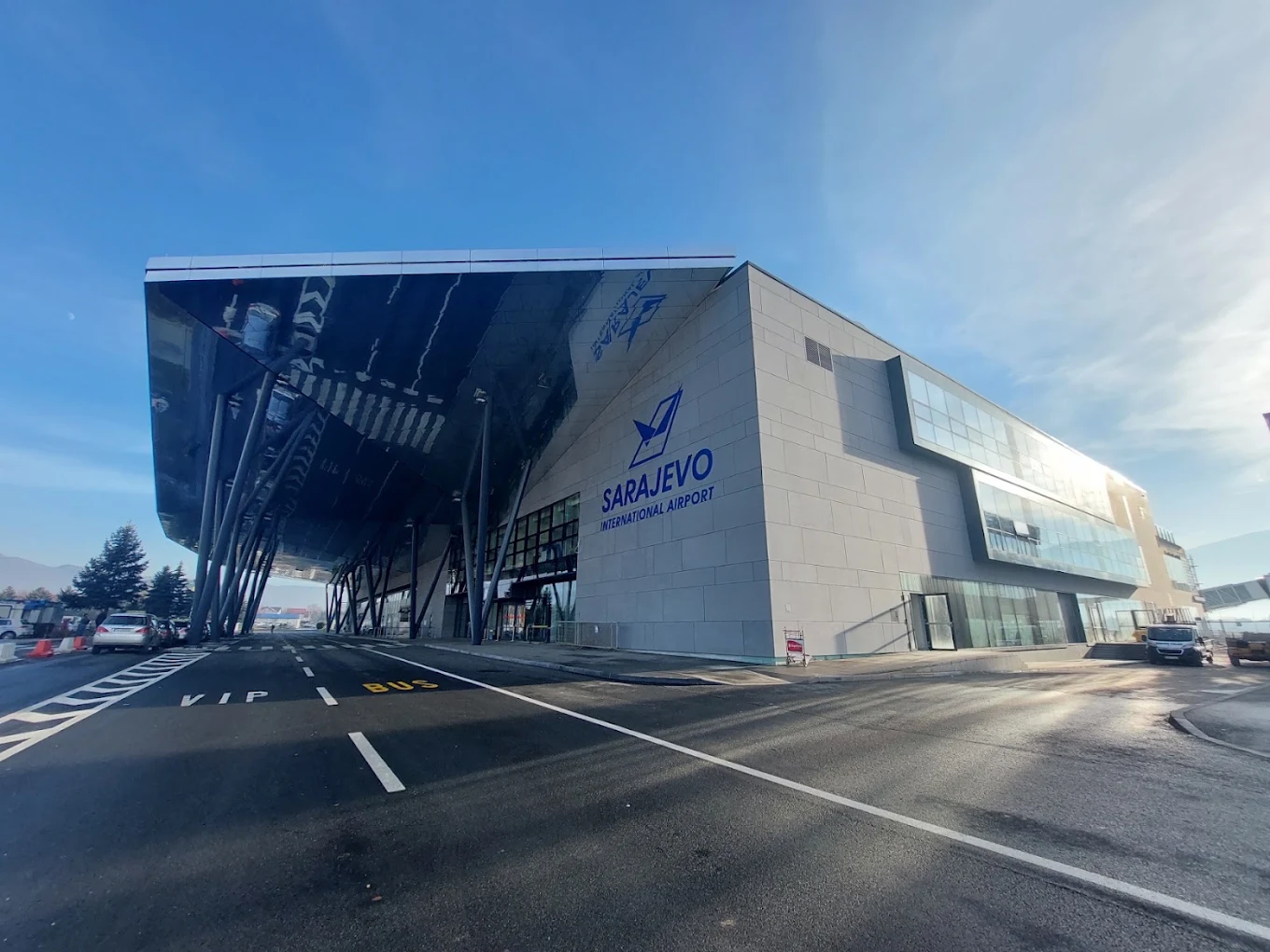
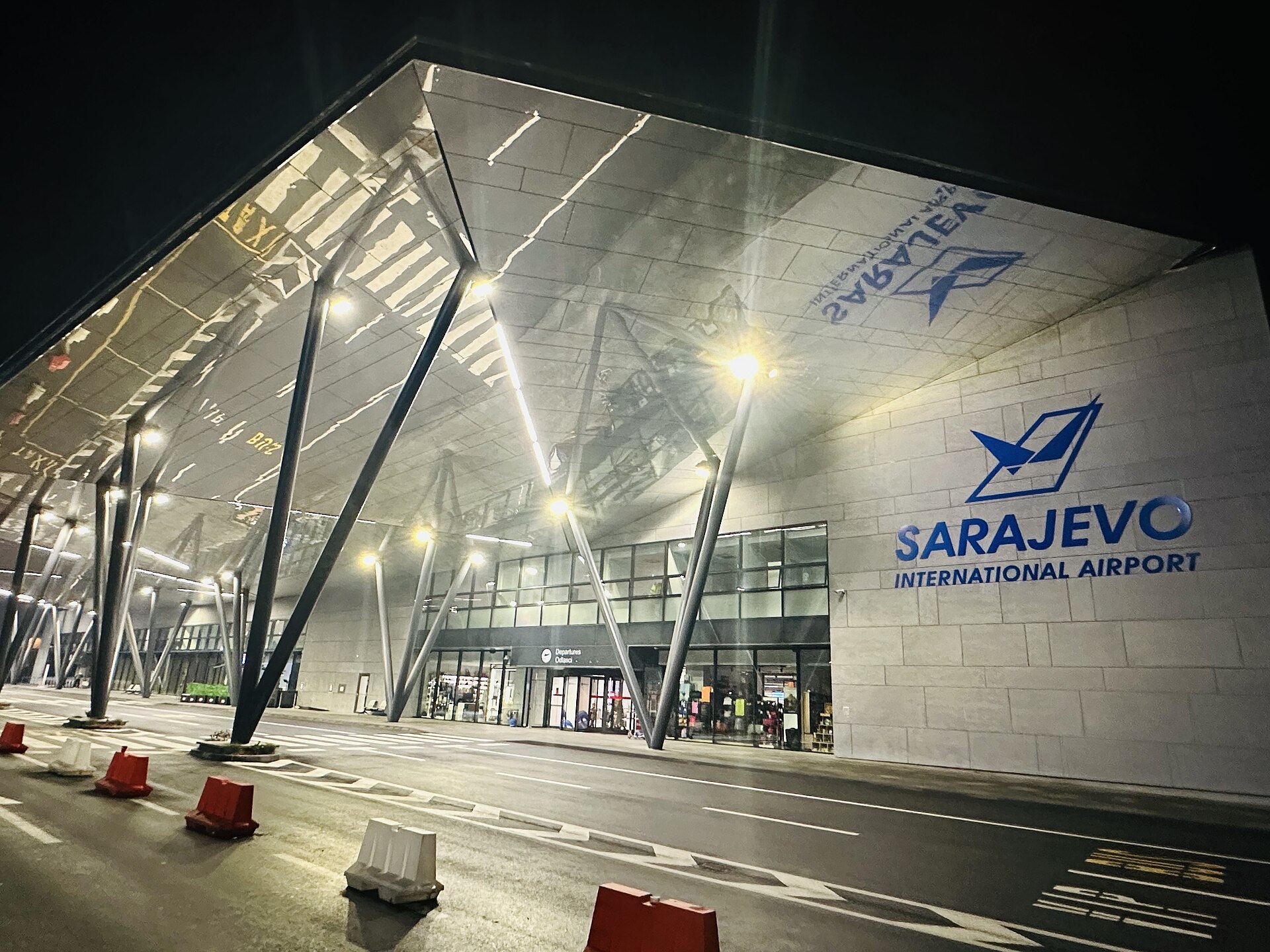
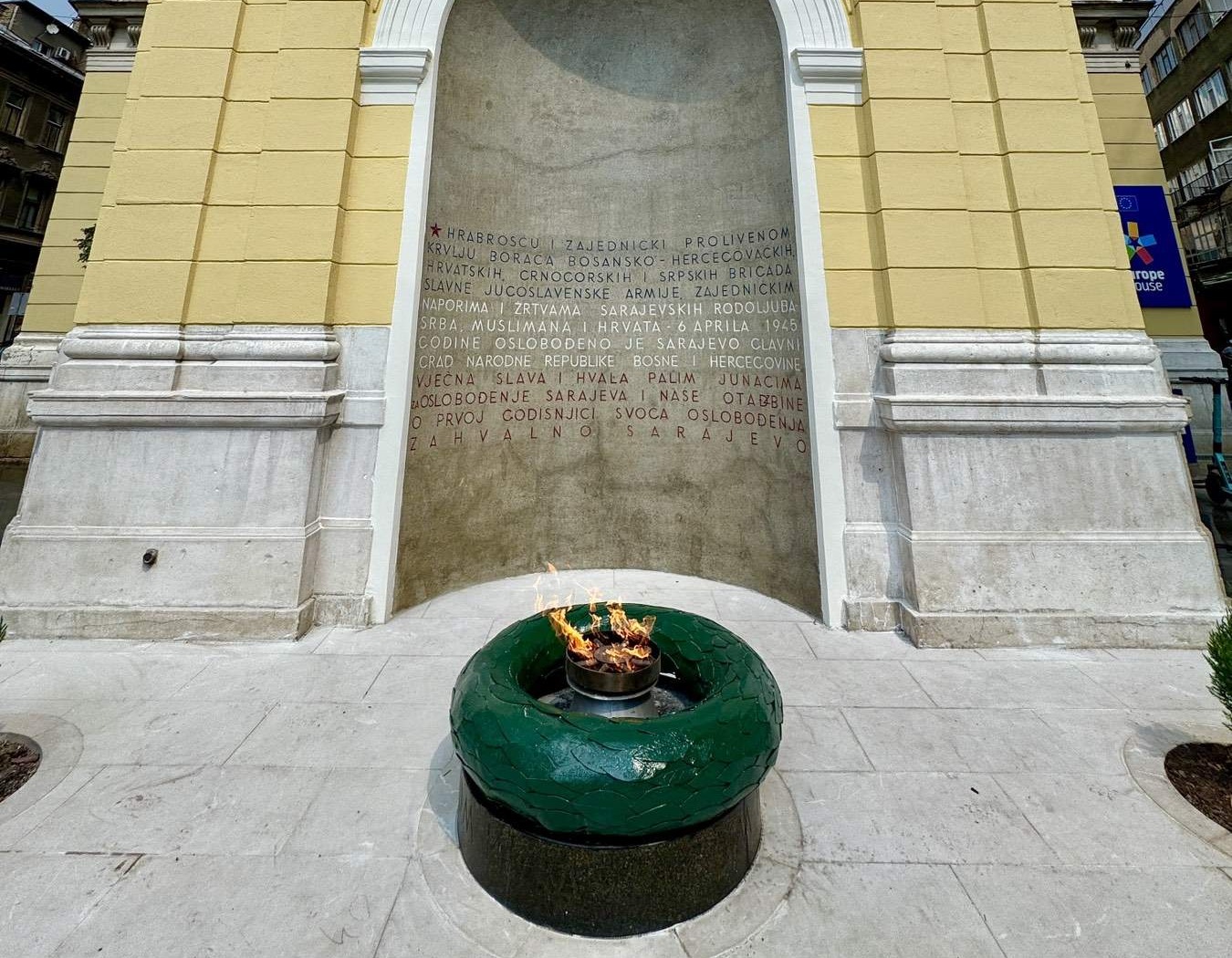
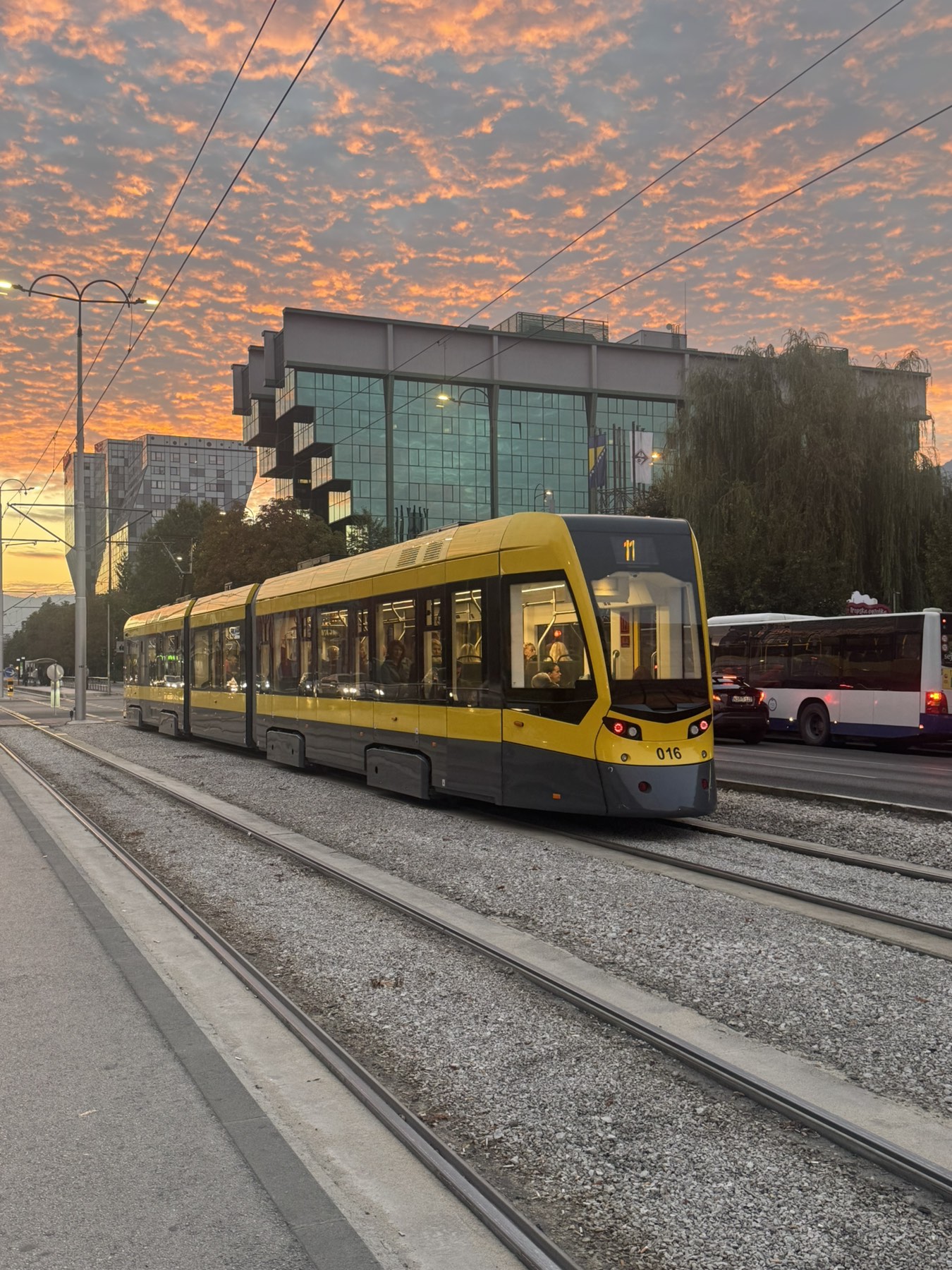

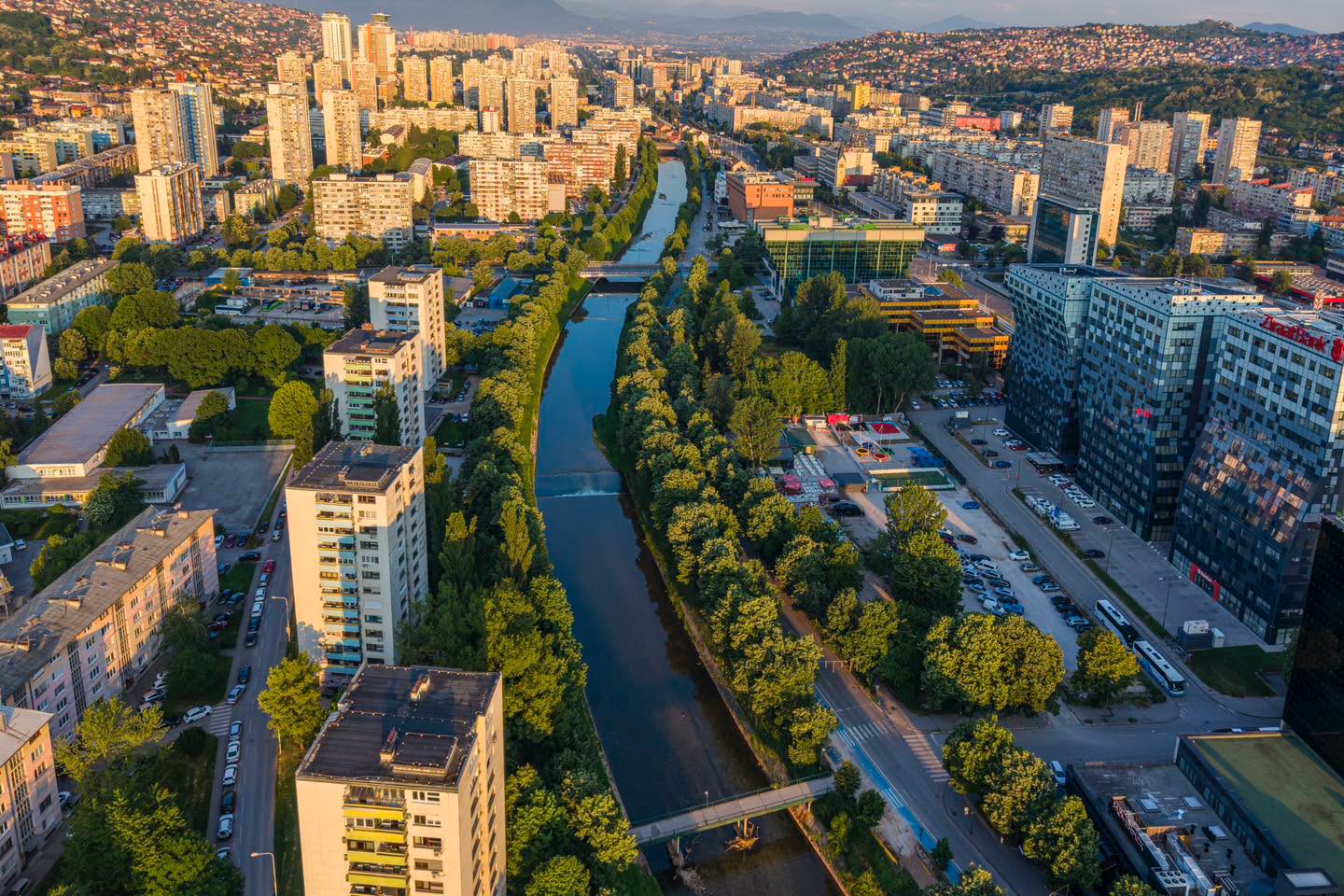
While the area now occupied by Sarajevo was inhabited before the arrival of the Ottomans, the year of the city's founding is considered 1462, the year Ottoman commander Isa Bey Ishaković established his endowment. This called for the founding of several public buildings, which would become the core of the city.
/
Sarajevo stories
Kazandžije (coppersmiths) and Kazandžiluk Street
Updated: 29 June 2026
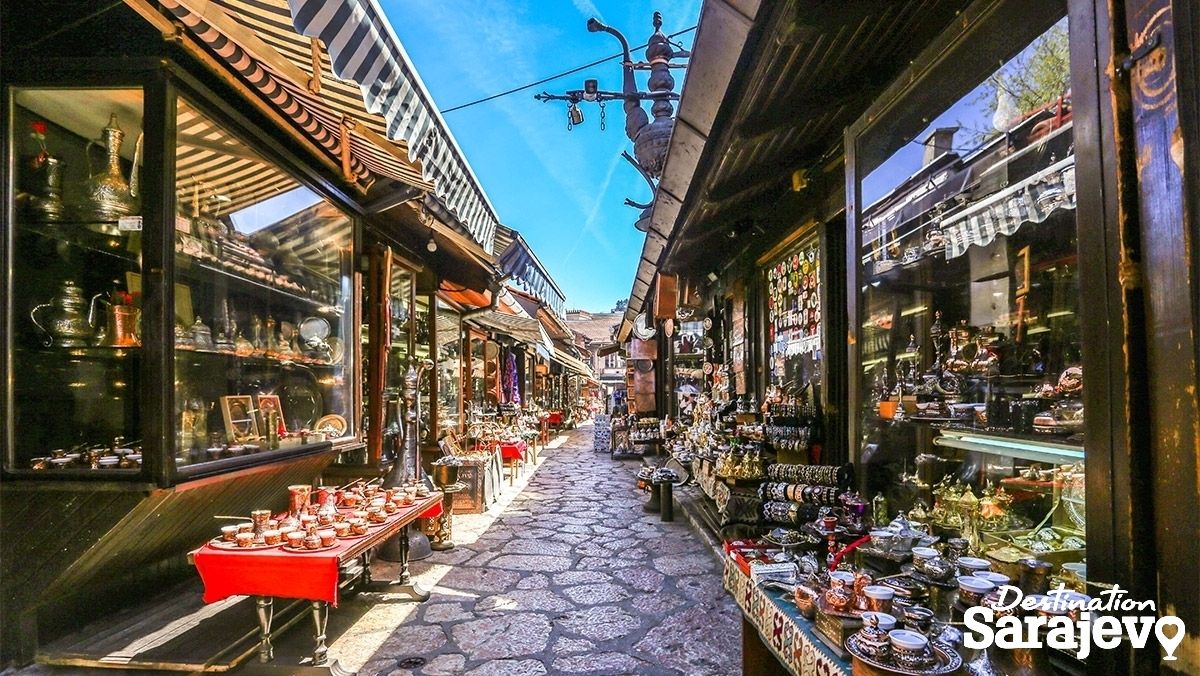
Various artisans arrived with the Turkish army, including some who are listed in the first cadastral ledgers from 1489.
One defter (1528-1536) mentions kazandžije (coppersmiths), artisans who took their name from the kazani (kettles) they made for the army.
This guild comprised all of the artisans who produced items made from copper, especially dishes used for food and drink, as well as kalajdžije (tinsmiths), who would cover such items with thin layers of tin, and then decorate them using various techniques, the most common of which was etching.
Own bazaar
Besides the general titles of “kazandžije” and “kalajdžije,” these craftsmen were also given names that referred to the specific items produced: ibrikčije (master crafters who made pitchers and pots to hold water), fenjerdžije (lantern/lamp makers), tasari (artisans who made weighing pans for scales)….
It was probably around the second half of the 16th century that Sarajevo coppersmiths got their own bazaar.
It was set up along the eastern end of Baščaršija Square (Baščaršija St.) and partly covered land included in Isa Bey’s endowment, as well as another section that belonged to a rich leatherworker, Hajji Mahmud Sagrakči, who is known for the mosque he had built on Ulomljenica St.
Up until the first half of the 20th century, this bazaar was much larger than it is today, including not only Kazandžiluk, but also the area covered by Luledžina St. and part of Oprkanj St., which was known as the bazaar for pitcher makers during the Ottoman period.
The entire area that takes in Kazandžiluk, Male Daire and Luledžina was declared a National Monument of BiH in 2009, and represents one of the most well-preserved parts of Baščaršija.
Original Sarajevo Quality
/
YOU MIGHT BE INTERESTED
/Šoping
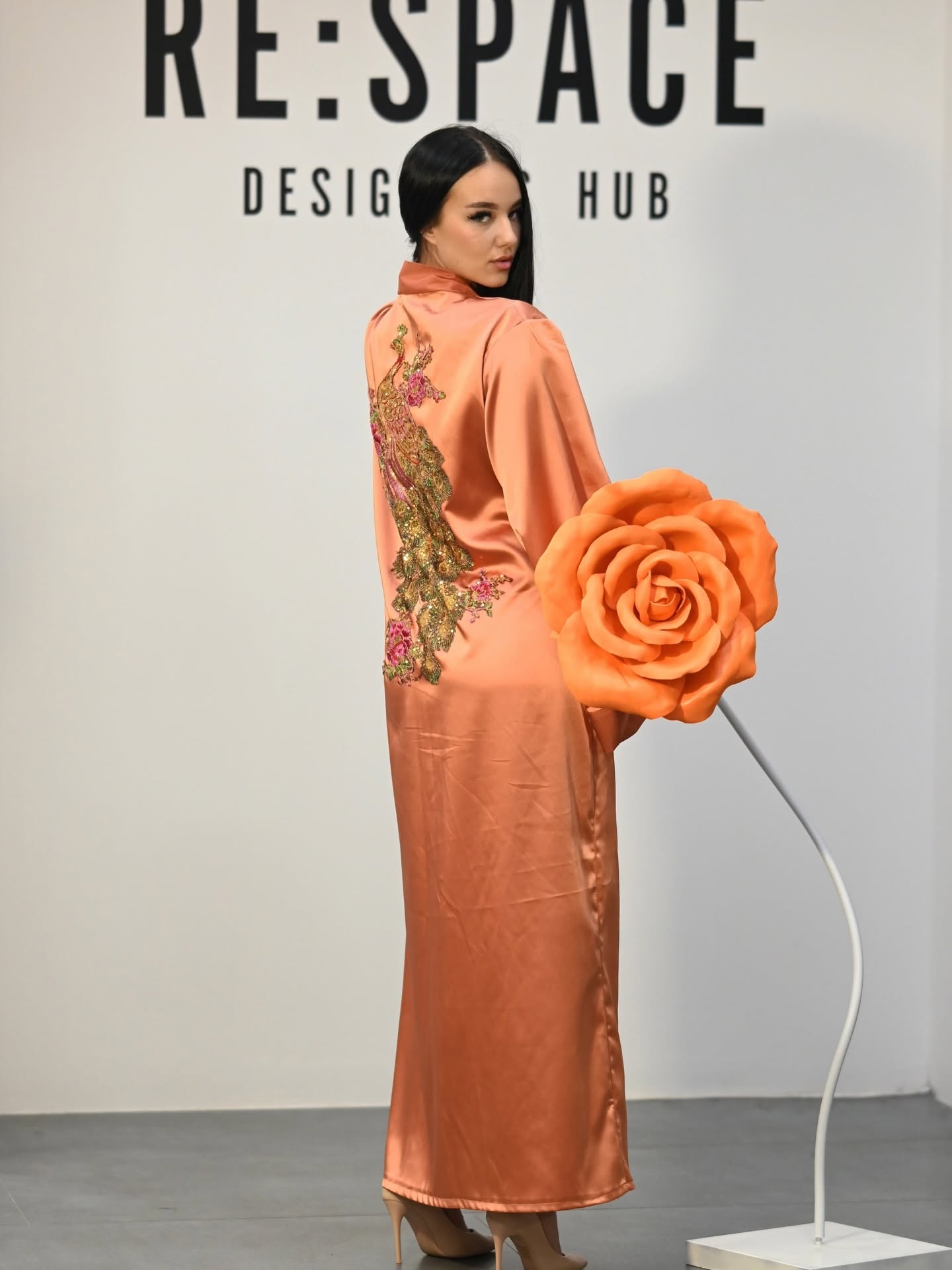
RE:SPACE Designers Hub
U svom dizajnerskom showroomu i edukativnom prostoru, posjetioci mogu otkriti jedinstvenu odjeću, umjetnička djela, nakit, modne dodatke, ukrasne predmete i ručno rađene proizvode lokalnih dizajnera i umjetnika, među kojima su Aida Korman, Ljiljana Šaković-Mujan i Samina Trako, uz radove ostalih autora koji oblikuju savremenu kreativnu scenu Bosne i Hercegovine. 3. sprat ARIA Malla / Trg Djece Sarajeva 1, Sarajevo Mob. +387 60 300 6273 IG: @respace.sarajevo
/Gdje odsjesti
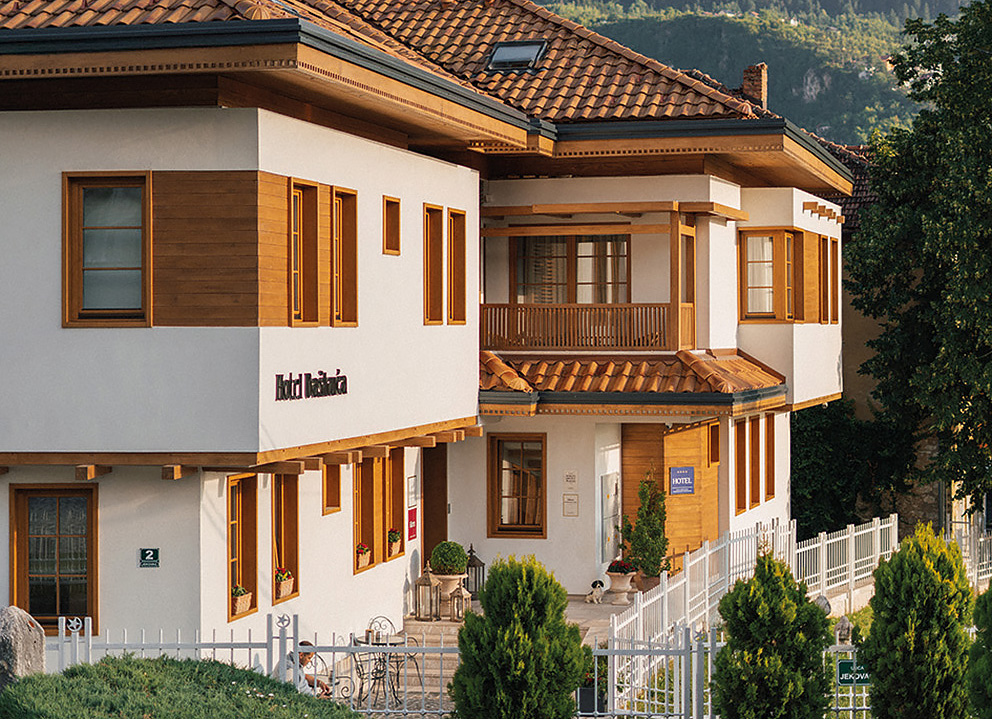
Hotel Baškuća
Prepoznat od strane prestižnih medija TIME (The World's Greatest Places 2025), The Guardian, The Times i Vogue, ovaj arhitektonski dragulj savršeno spaja formu tradicionalne bosanske kuće sa bezvremenskim luksuzom. Sa 22 sofisticirane sobe i 2 apartmana, hotel pruža intiman osjećaj privatnosti i čarobne poglede na historijsko jezgro Sarajeva i okolne brežuljke, dok su Vijećnica i Latinski most udaljeni na svega nekoliko minuta hoda. Enterijer slavi lokalni identitet kroz vrhunski bh.…
/Sarajevske priče
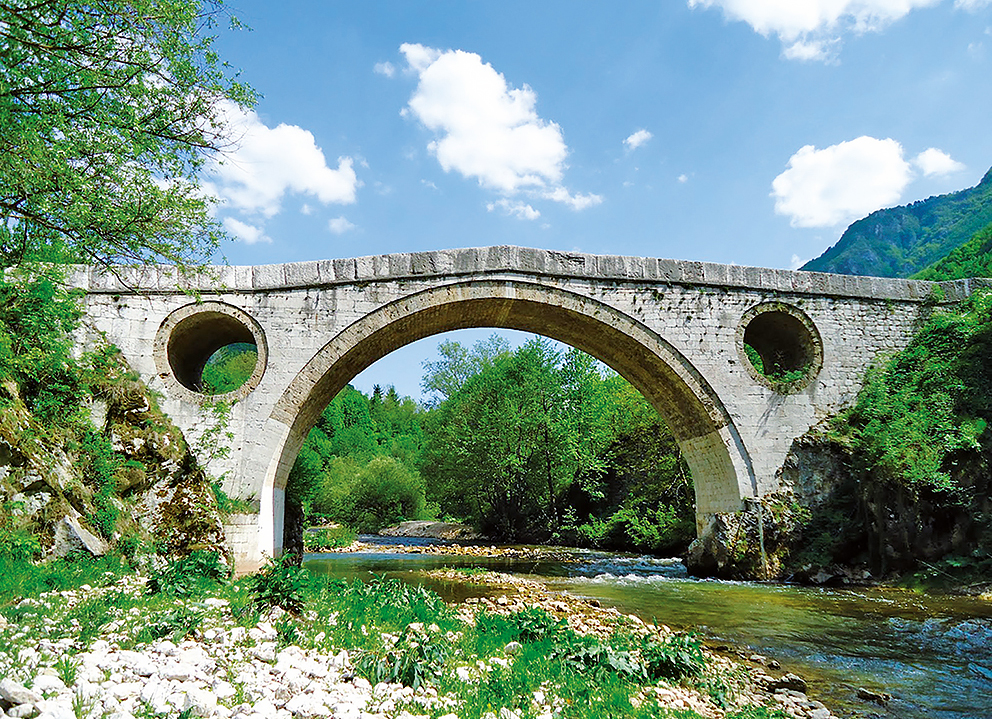
Kozija ćuprija
Sakrivena u dramatičnom, stjenovitom kanjonu gdje je Miljacka najuža, Kozija ćuprija ponosno stoji kao jedini u cijelosti sačuvani most iz osmanskog perioda na rijeci. Sagrađena u zlatnom 16. vijeku na legendarnoj Carskoj džadi, ova kamena ljepotica predstavlja vrhunsku arhitektonsku eleganciju. Isklesana većim dijelom od bijelog hrešanskog kamena, plijeni poglede svojim vitkim lukom i dva prepoznatljiva kružna otvora koji joj daju prividnu lakoću. Njeno ime i danas krije veo tajni;…


