
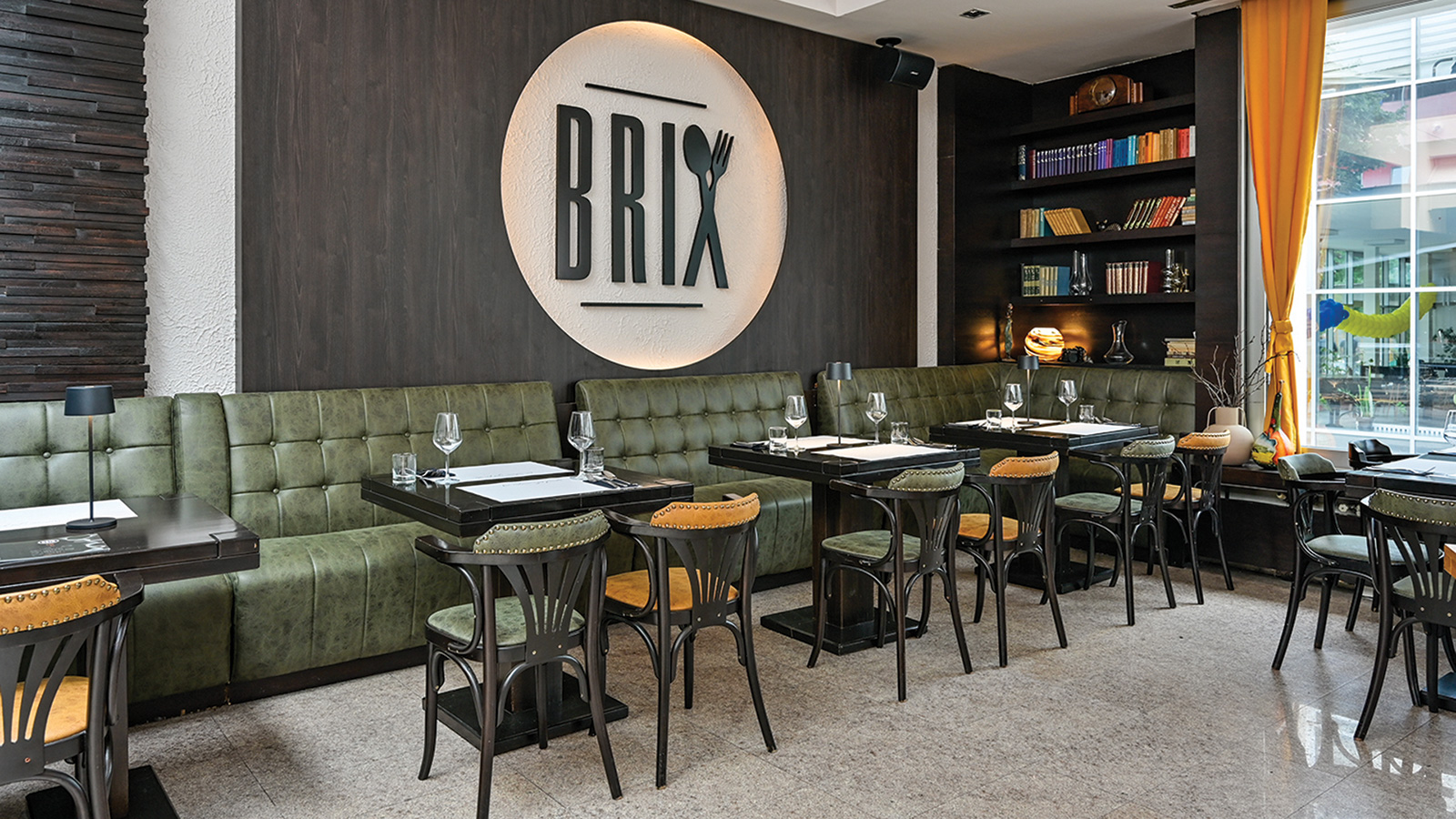
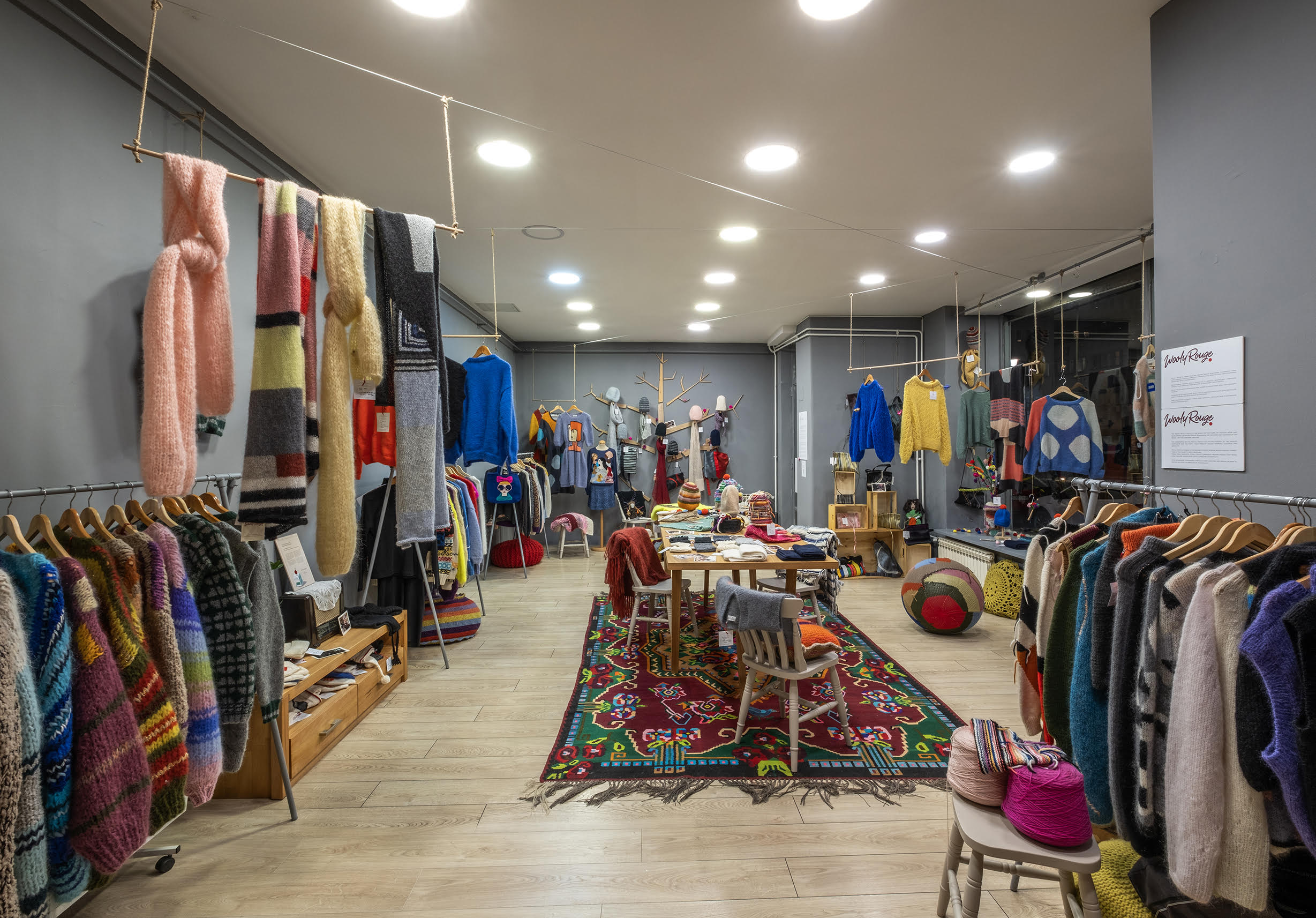
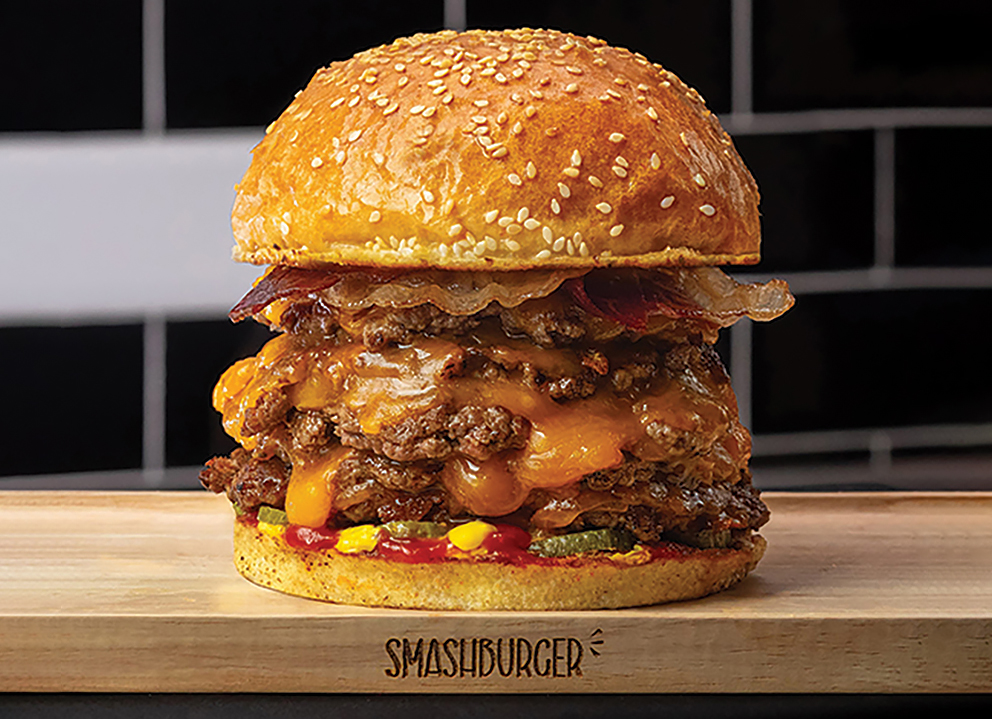
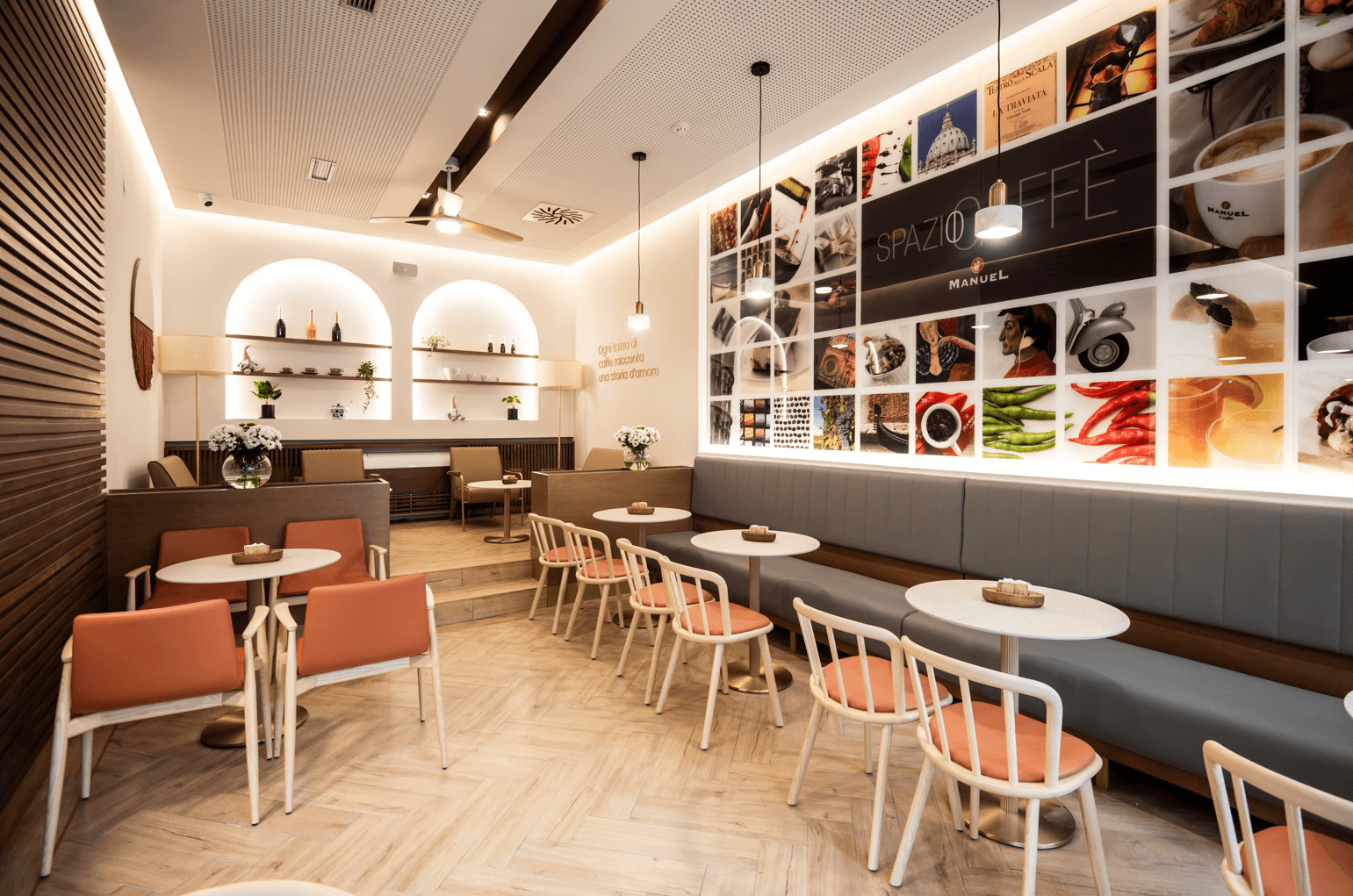

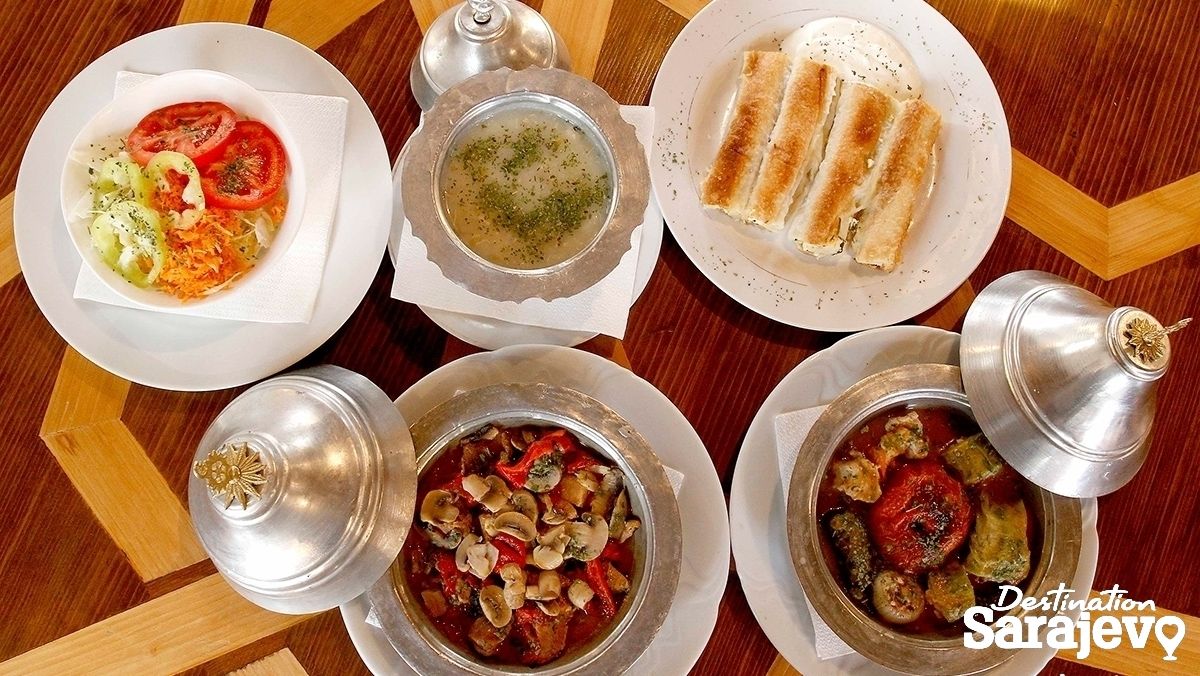
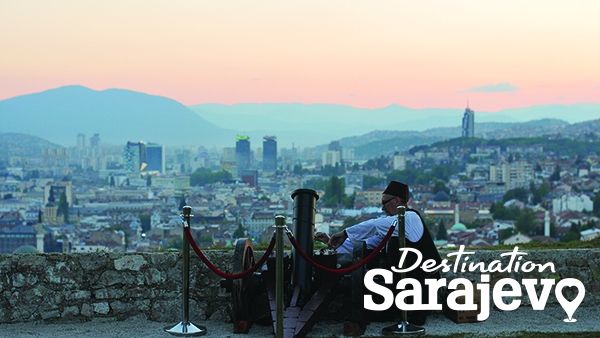
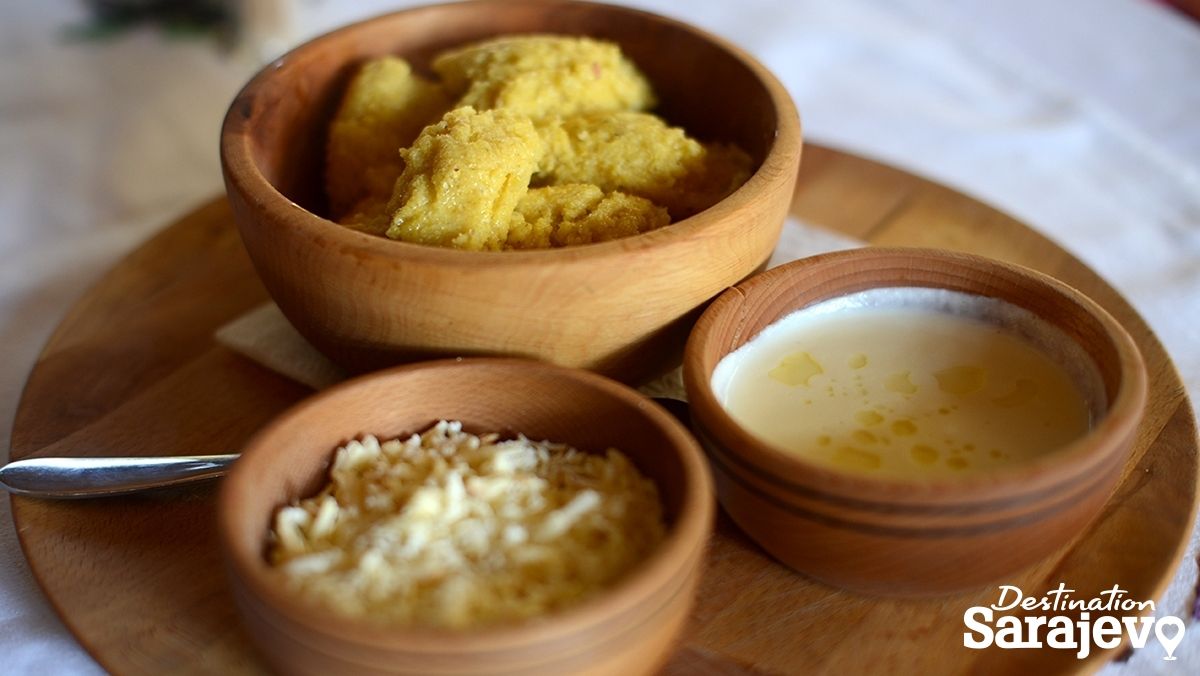
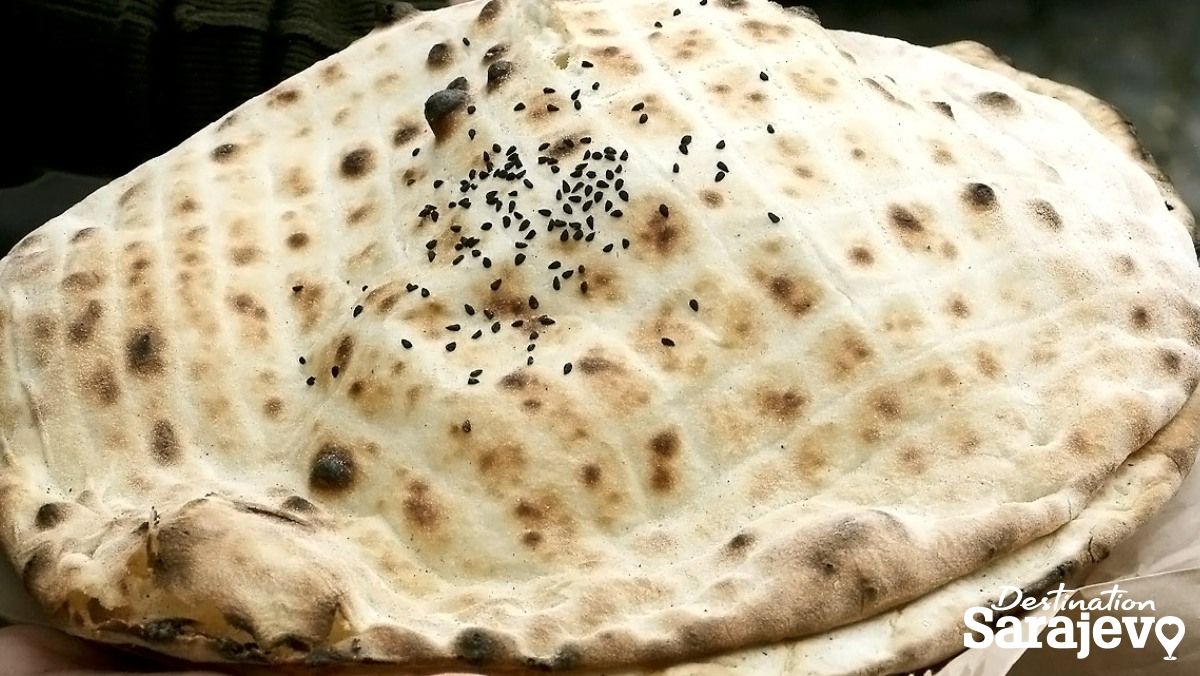
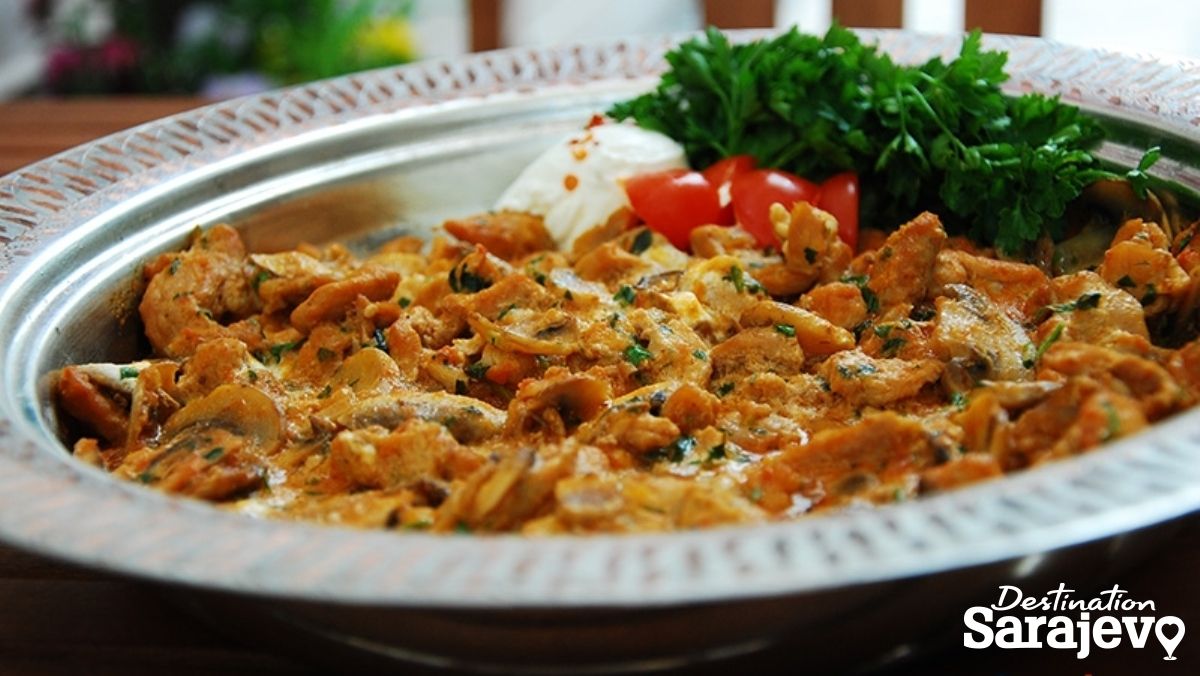
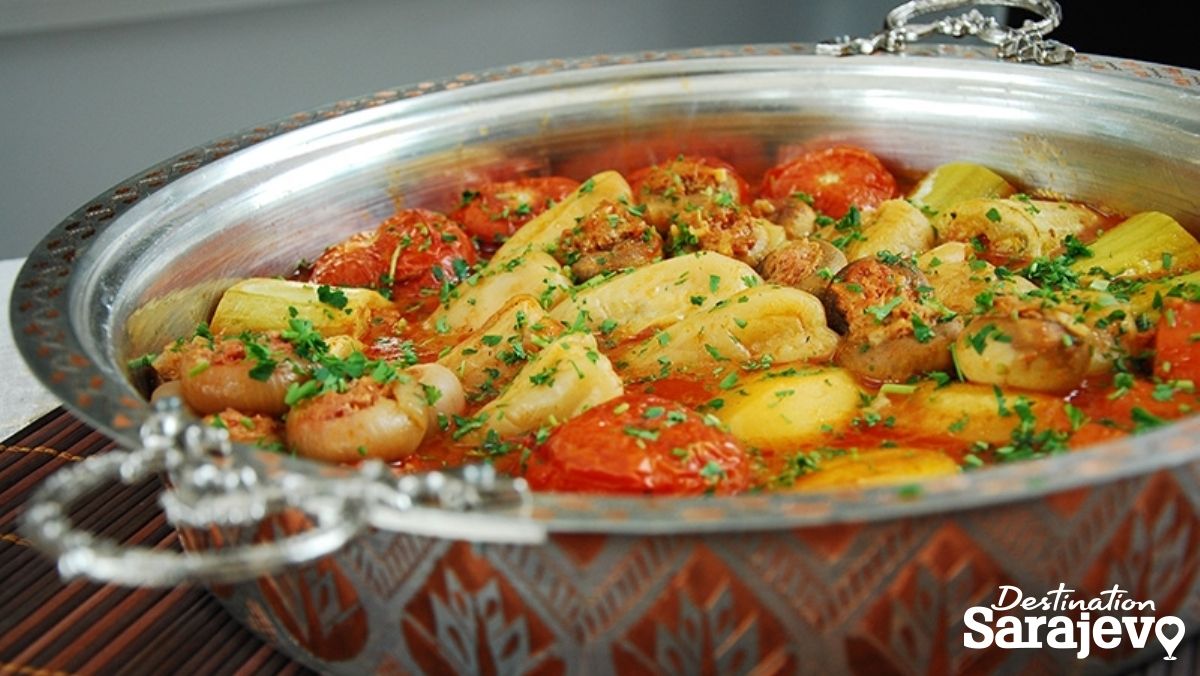
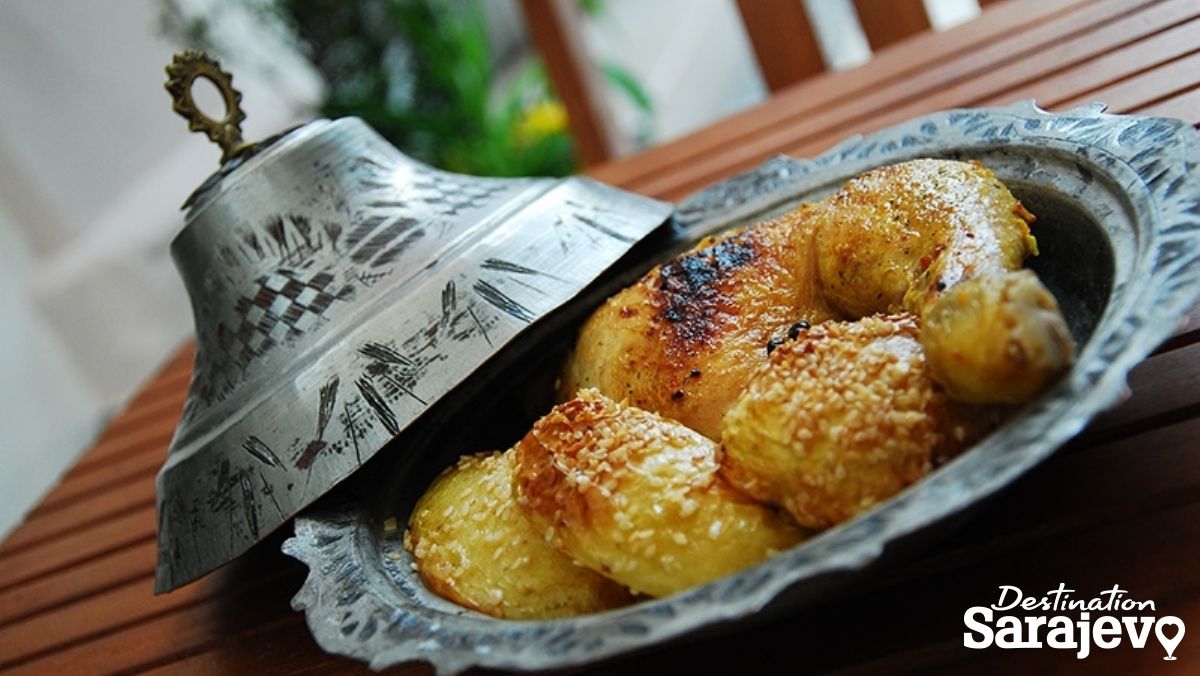
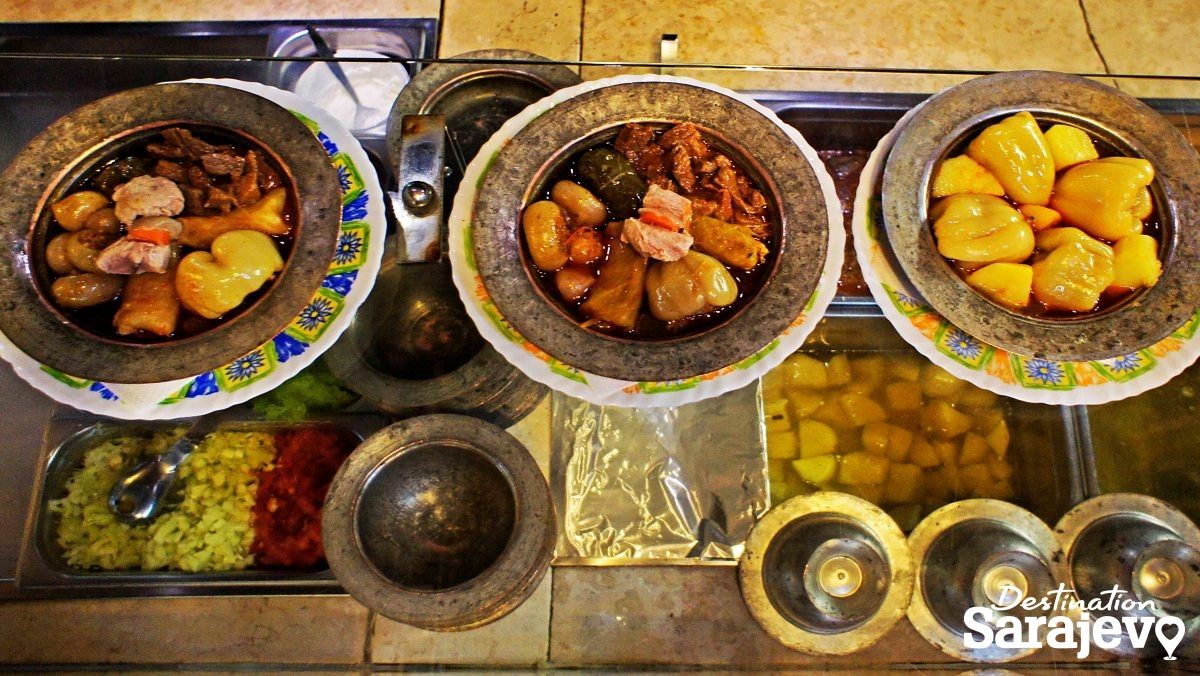
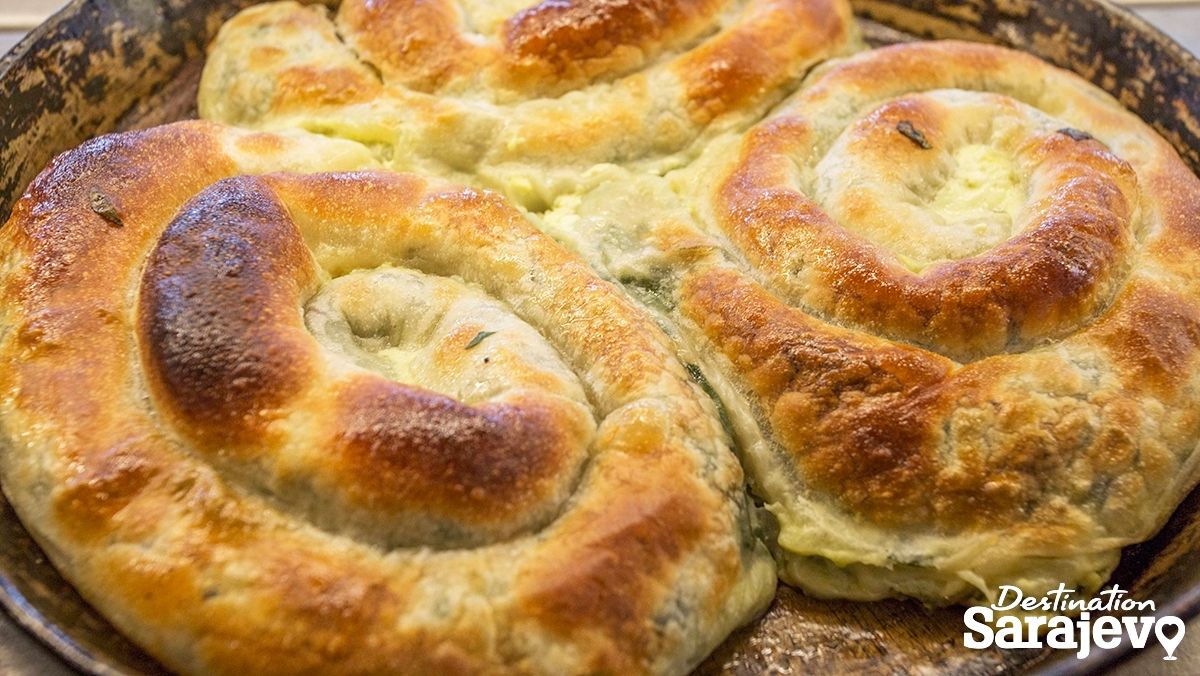
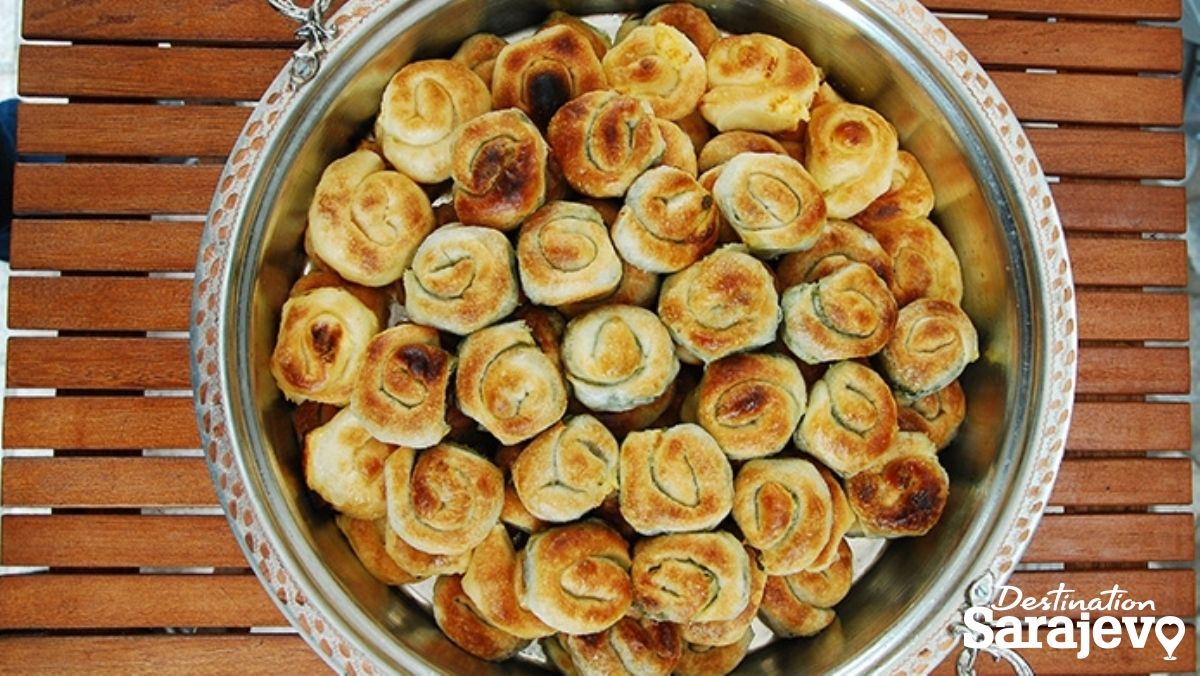
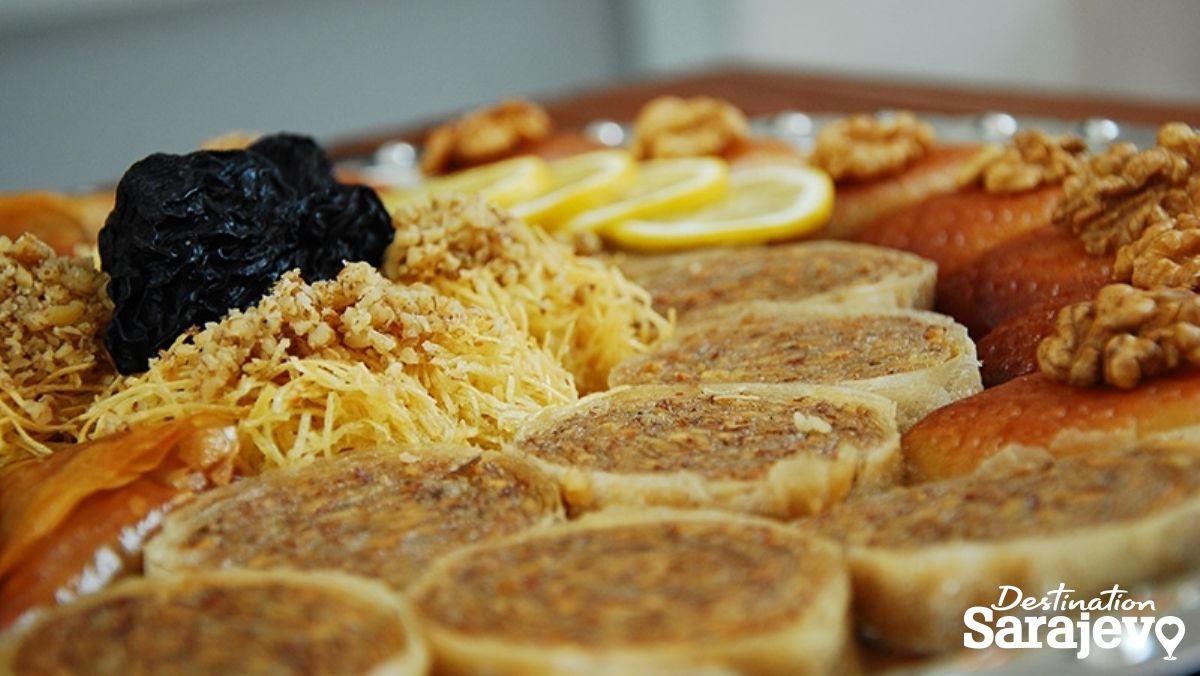
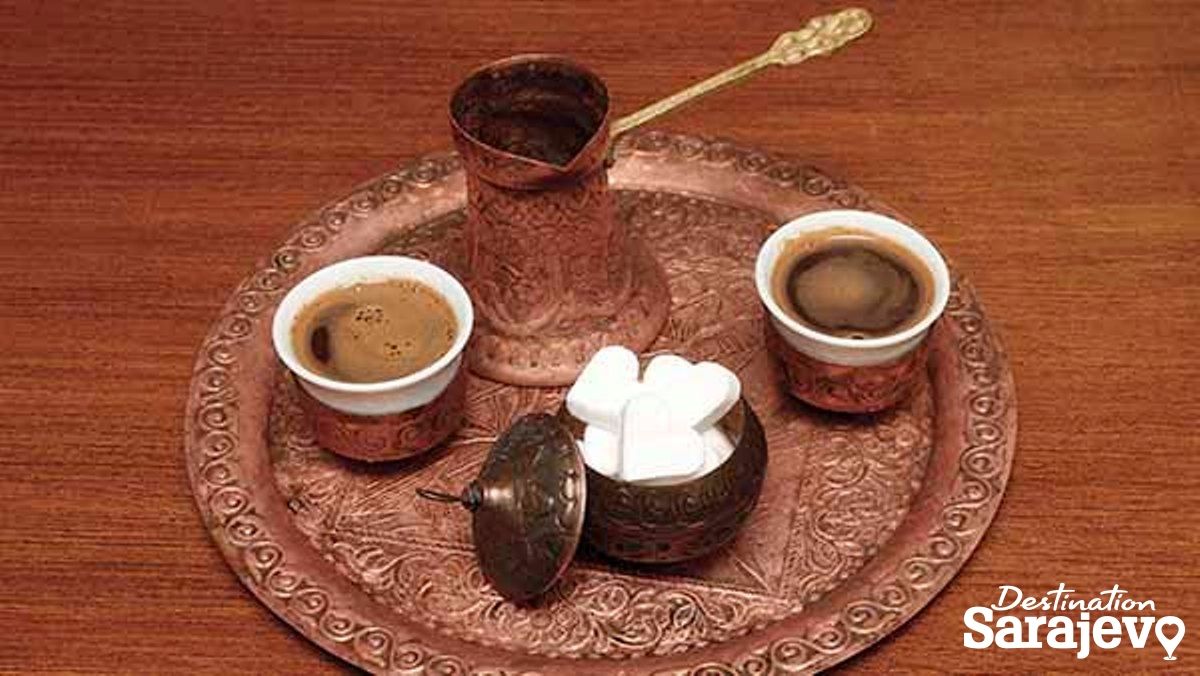
There is a special atmosphere in Sarajevo during Ramadan, and at sunset (akšam), when the cannon is fired from Žuta Tabija and ezan is sounded from the minarets whose lights are lit, most Sarajevans are gathered and waiting around a sofra (tablecloth or table) that is full of delicious things to eat.
/
Where to eat
A Sarajevo Ramadan Spread
Updated: 29 June 2026
/
YOU MIGHT BE INTERESTED
/Šoping
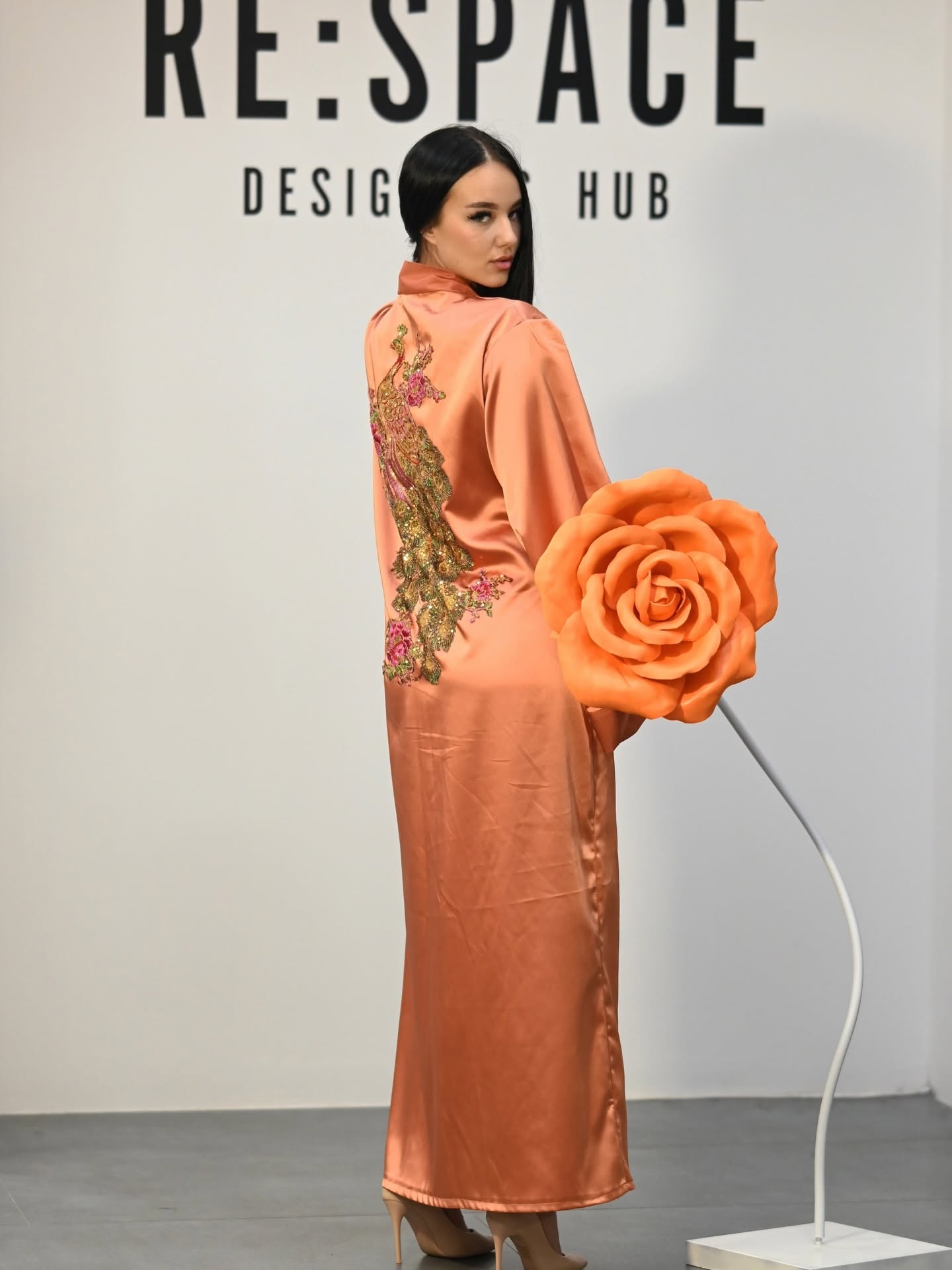
RE:SPACE Designers Hub
U svom dizajnerskom showroomu i edukativnom prostoru, posjetioci mogu otkriti jedinstvenu odjeću, umjetnička djela, nakit, modne dodatke, ukrasne predmete i ručno rađene proizvode lokalnih dizajnera i umjetnika, među kojima su Aida Korman, Ljiljana Šaković-Mujan i Samina Trako, uz radove ostalih autora koji oblikuju savremenu kreativnu scenu Bosne i Hercegovine. 3. sprat ARIA Malla / Trg Djece Sarajeva 1, Sarajevo Mob. +387 60 300 6273 IG: @respace.sarajevo
/Gdje odsjesti
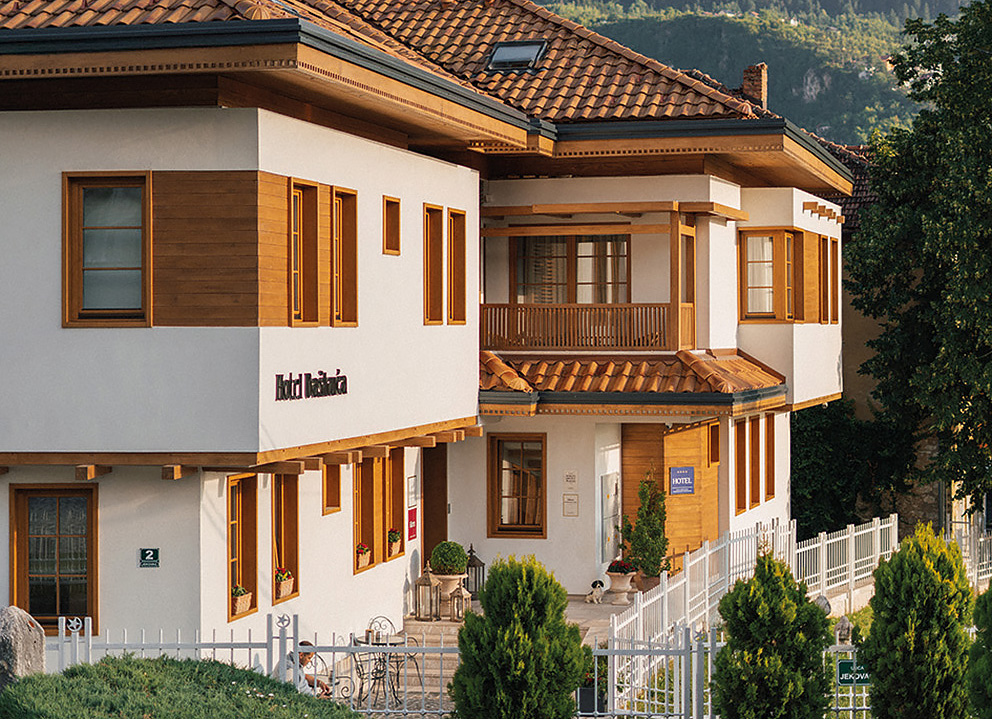
Hotel Baškuća
Prepoznat od strane prestižnih medija TIME (The World's Greatest Places 2025), The Guardian, The Times i Vogue, ovaj arhitektonski dragulj savršeno spaja formu tradicionalne bosanske kuće sa bezvremenskim luksuzom. Sa 22 sofisticirane sobe i 2 apartmana, hotel pruža intiman osjećaj privatnosti i čarobne poglede na historijsko jezgro Sarajeva i okolne brežuljke, dok su Vijećnica i Latinski most udaljeni na svega nekoliko minuta hoda. Enterijer slavi lokalni identitet kroz vrhunski bh.…
/Sarajevske priče
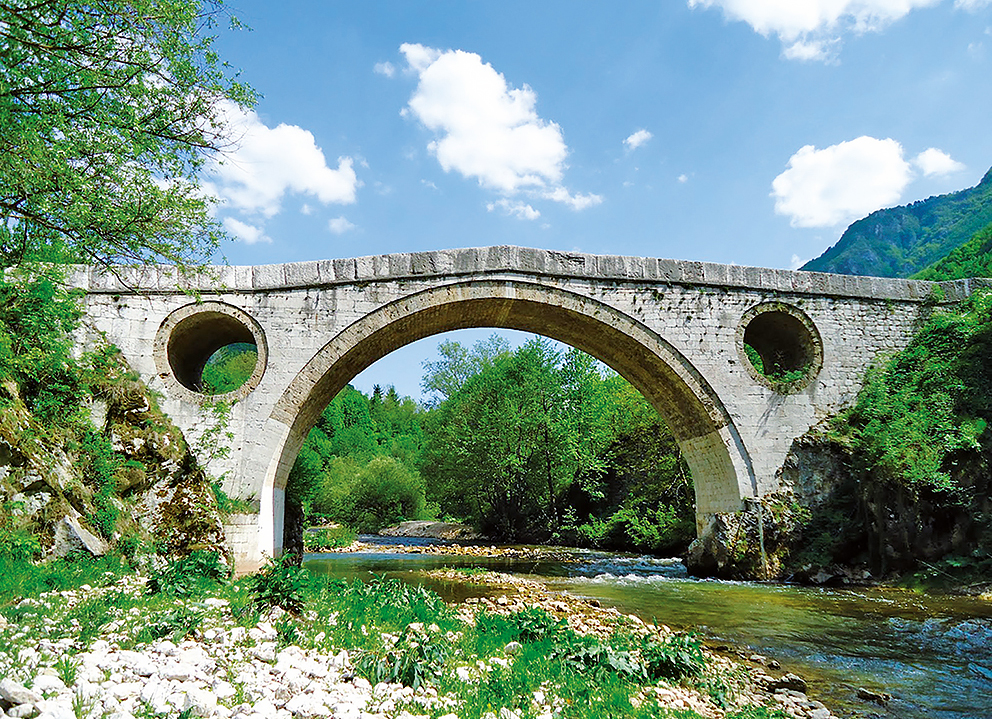
Kozija ćuprija
Sakrivena u dramatičnom, stjenovitom kanjonu gdje je Miljacka najuža, Kozija ćuprija ponosno stoji kao jedini u cijelosti sačuvani most iz osmanskog perioda na rijeci. Sagrađena u zlatnom 16. vijeku na legendarnoj Carskoj džadi, ova kamena ljepotica predstavlja vrhunsku arhitektonsku eleganciju. Isklesana većim dijelom od bijelog hrešanskog kamena, plijeni poglede svojim vitkim lukom i dva prepoznatljiva kružna otvora koji joj daju prividnu lakoću. Njeno ime i danas krije veo tajni;…


