



The Kingdom of Yugoslavia was attacked by German troops on April 6, 1941. By April 15, Nazis had entered Sarajevo and Yugoslavia was fully occupied by April 17.
/
Sarajevo stories
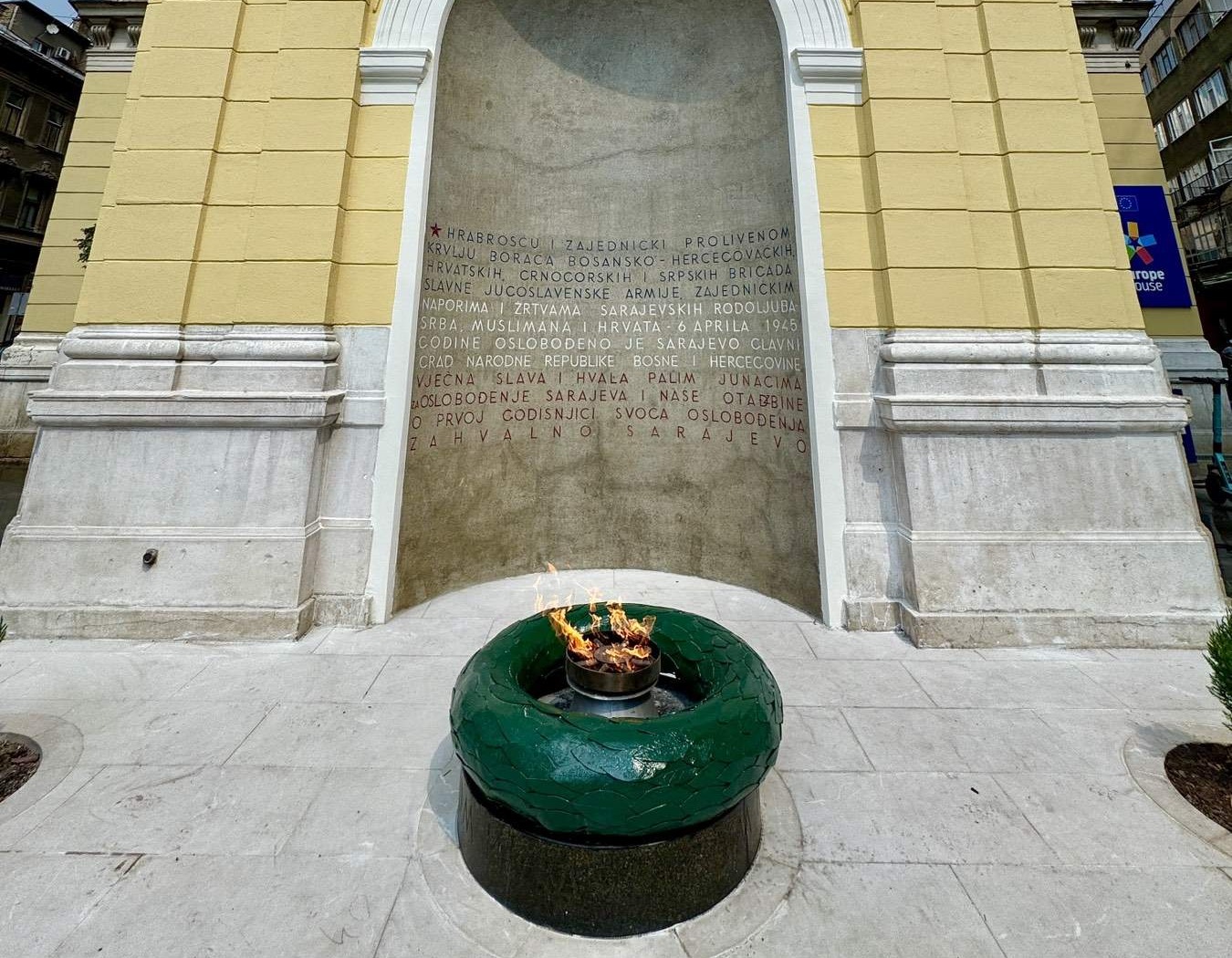
April 6 - Sarajevo’s Liberation
Updated: 29 June 2026
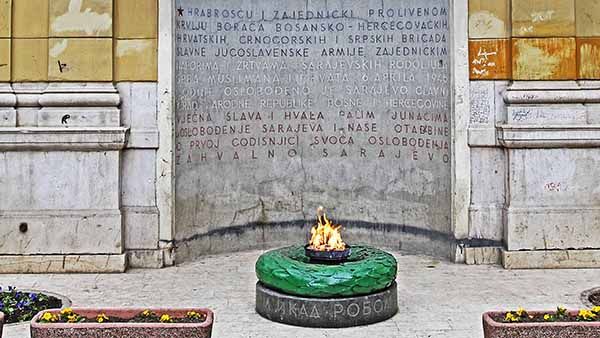
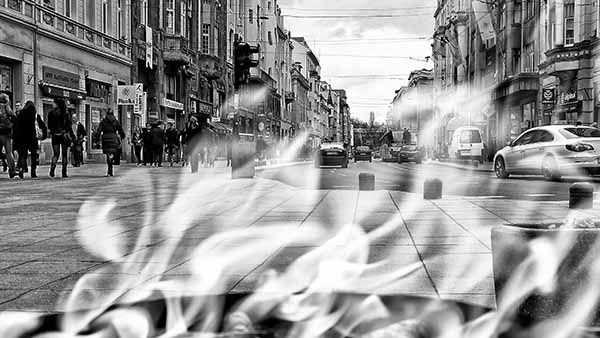
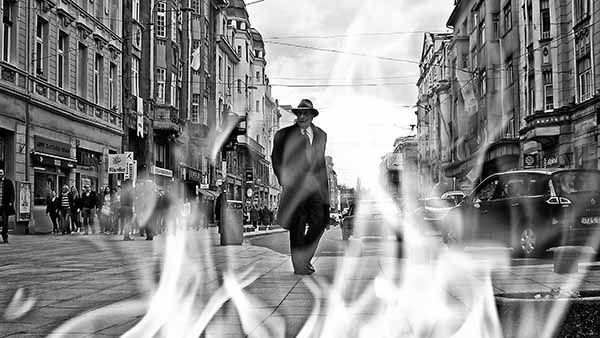
Sarajevo was annexed as part of the Independent State of Croatia (NDH), whereupon a reign of terror was unleashed on its citizens, with confiscation of property, imprisonments, deportations to concentration camps, torture, murder….
Resistance movement
Not long after Sarajevo was occupied, a resistance movement began under the leadership of the Communist Party. The members were engaged in sabotage, collecting funds so they could fight in combat and organizing escapes into the forests to join the Partisans.
On several occasions, the police and Gestapo managed to infiltrate the illegal Sarajevan group, causing serious losses, but the gains made by the Sarajevo resistance movement during the war continued unabated.
Vladimir Perić (better known by his code name, “Walter”) assumed leadership of the underground movement in mid-1943 and within about two years he would prepare the Sarajevo resistance movement to liberate the city from fascist occupation.
By the beginning of 1945 the end of WWII was already imminent, but German forces, with help from their collaborators, the ustaše and domobrani, had no intention of leaving Sarajevo; rather, they considered it a suitable base to use while withdrawing their severely weakened “E” army troops from Greece.
On February 15, 1945, a directive came from Adolf Hitler, ordering that Sarajevo must be held onto “for political reasons”.
That same month, Vjekoslav “Maks” Luburić arrived in Sarajevo. This notorious Ustaša commander was sent by Ante Pavelić, leader of the NDH, with a single objective: to brutally eradicate the Sarajevo resistance.
Days around liberation
This butcher took over the Berković mansion in Skenderija and commenced his bloody reign, during which he brutally killed 323 people. One of the darkest evenings in Sarajevo history was the night of March 27, 1945, when he had 50 Sarajevans hung along the tree-lined street that stretched from Tilava Tavern (where SCC is today) to the National Museum.
At the beginning of April, the 3rd Unit of the Yugoslav Army arrived in Sarajevo and the resistance received the following orders from headquarters: “Protect the buildings, especially the power station and the post office. Prepare to defend them. Don’t let the archives be destroyed.”
/
YOU MIGHT BE INTERESTED

/Šoping
RE:SPACE Designers Hub
U svom dizajnerskom showroomu i edukativnom prostoru, posjetioci mogu otkriti jedinstvenu odjeću, umjetnička djela, nakit, modne dodatke, ukrasne predmete i ručno rađene proizvode lokalnih dizajnera i umjetnika, među kojima su Aida Korman, Ljiljana Šaković-Mujan i Samina Trako, uz radove ostalih autora koji oblikuju savremenu kreativnu scenu Bosne i Hercegovine. 3. sprat ARIA Malla / Trg Djece Sarajeva 1, Sarajevo Mob. +387 60 300 6273 IG: @respace.sarajevo
/Gdje odsjesti
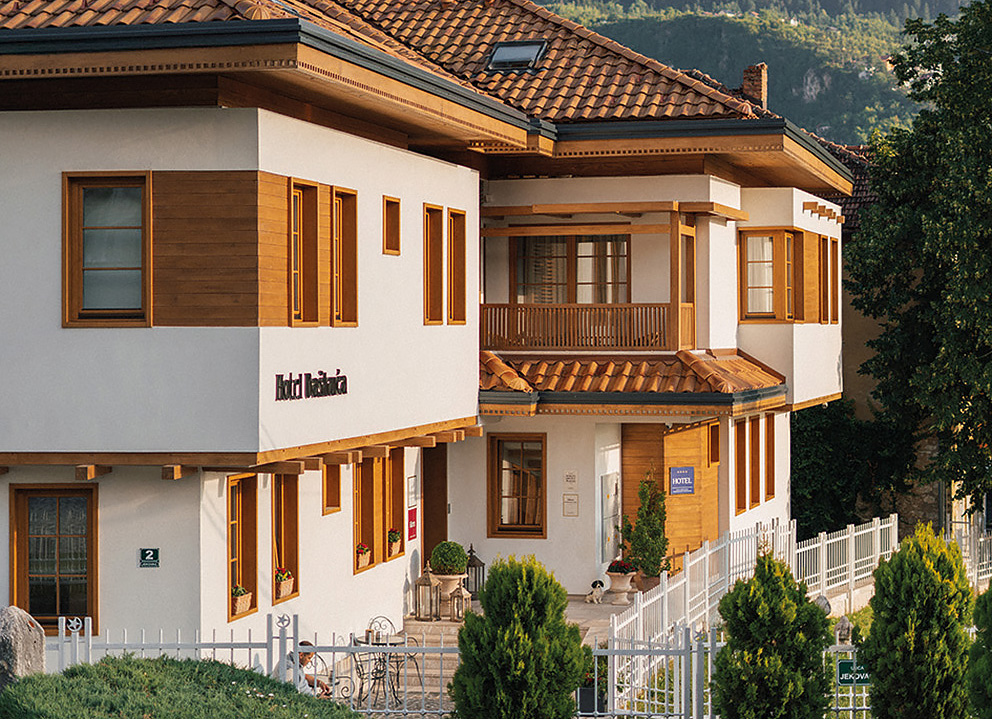
Hotel Baškuća
Prepoznat od strane prestižnih medija TIME (The World's Greatest Places 2025), The Guardian, The Times i Vogue, ovaj arhitektonski dragulj savršeno spaja formu tradicionalne bosanske kuće sa bezvremenskim luksuzom. Sa 22 sofisticirane sobe i 2 apartmana, hotel pruža intiman osjećaj privatnosti i čarobne poglede na historijsko jezgro Sarajeva i okolne brežuljke, dok su Vijećnica i Latinski most udaljeni na svega nekoliko minuta hoda. Enterijer slavi lokalni identitet kroz vrhunski bh.…
/Sarajevske priče
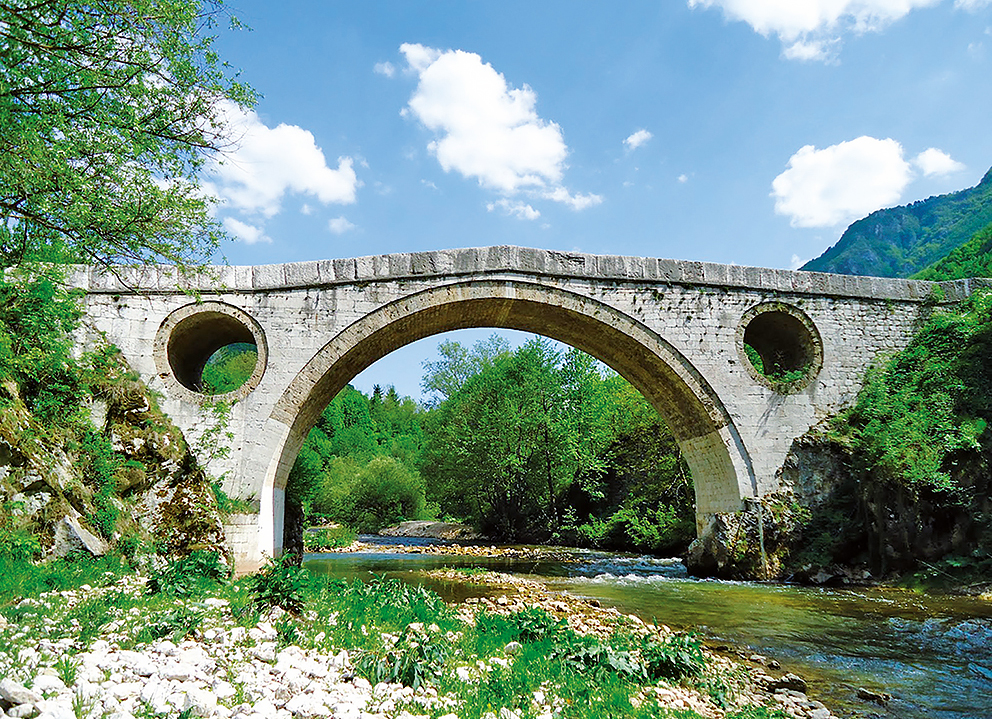
Kozija ćuprija
Sakrivena u dramatičnom, stjenovitom kanjonu gdje je Miljacka najuža, Kozija ćuprija ponosno stoji kao jedini u cijelosti sačuvani most iz osmanskog perioda na rijeci. Sagrađena u zlatnom 16. vijeku na legendarnoj Carskoj džadi, ova kamena ljepotica predstavlja vrhunsku arhitektonsku eleganciju. Isklesana većim dijelom od bijelog hrešanskog kamena, plijeni poglede svojim vitkim lukom i dva prepoznatljiva kružna otvora koji joj daju prividnu lakoću. Njeno ime i danas krije veo tajni;…


