


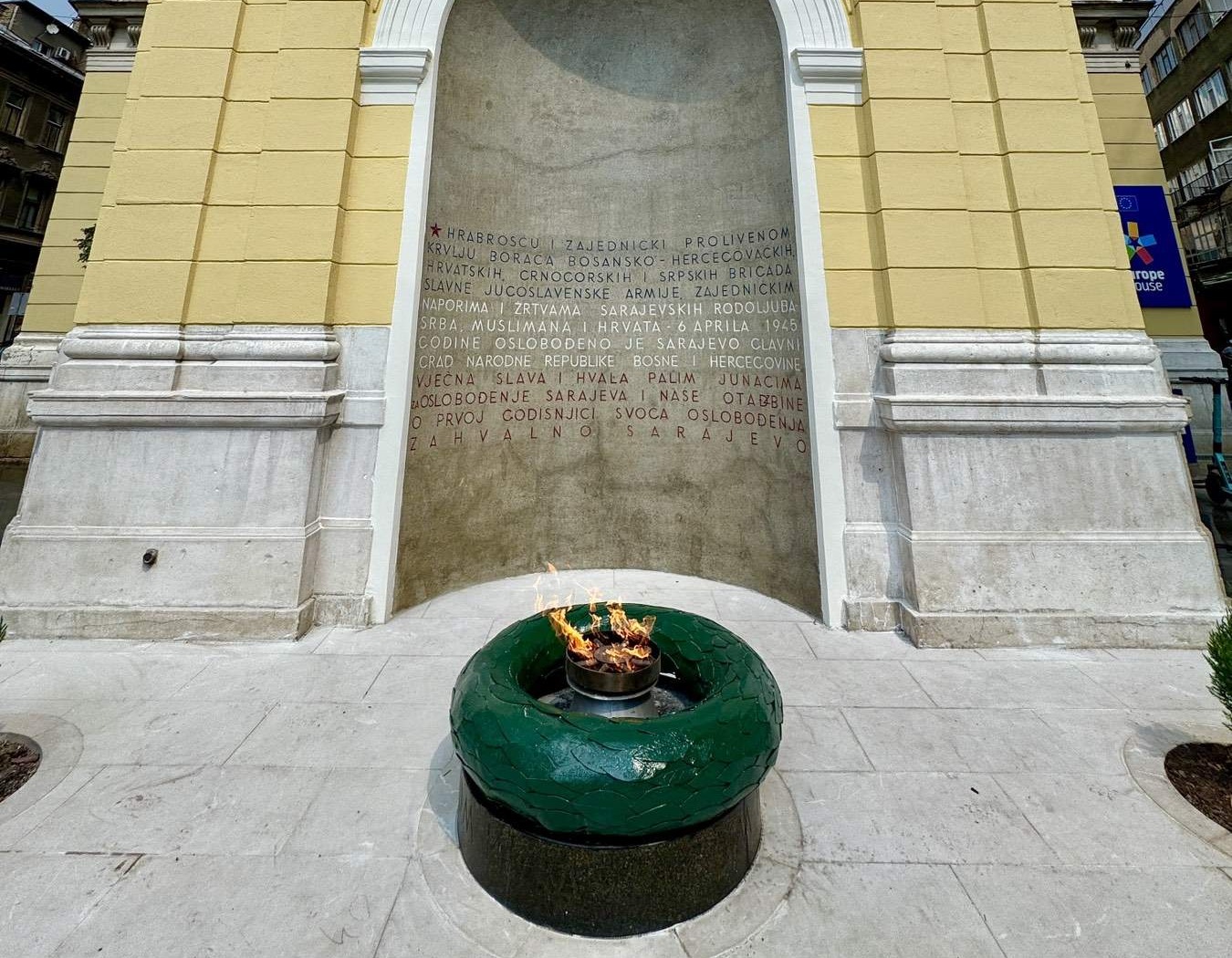

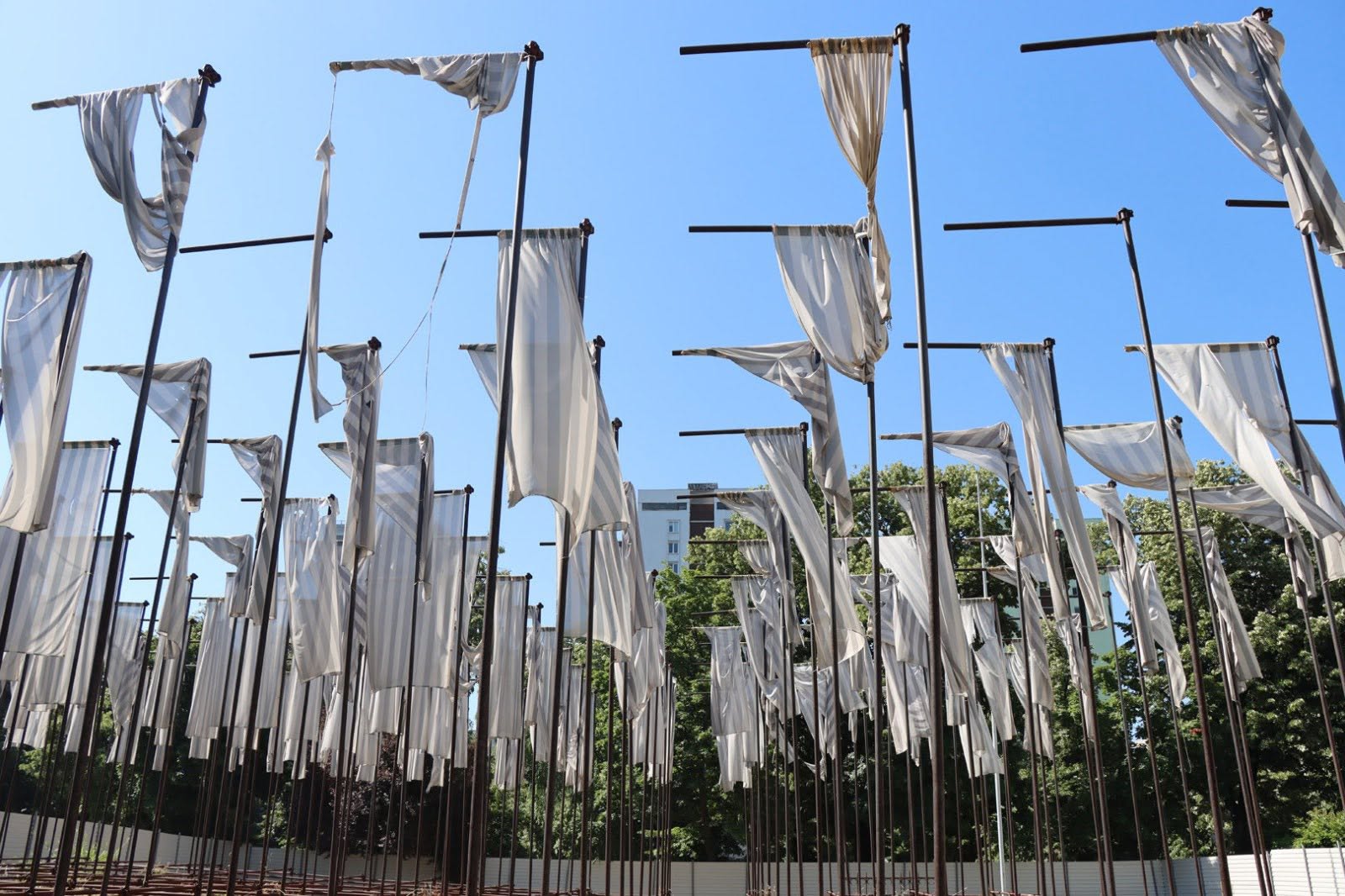
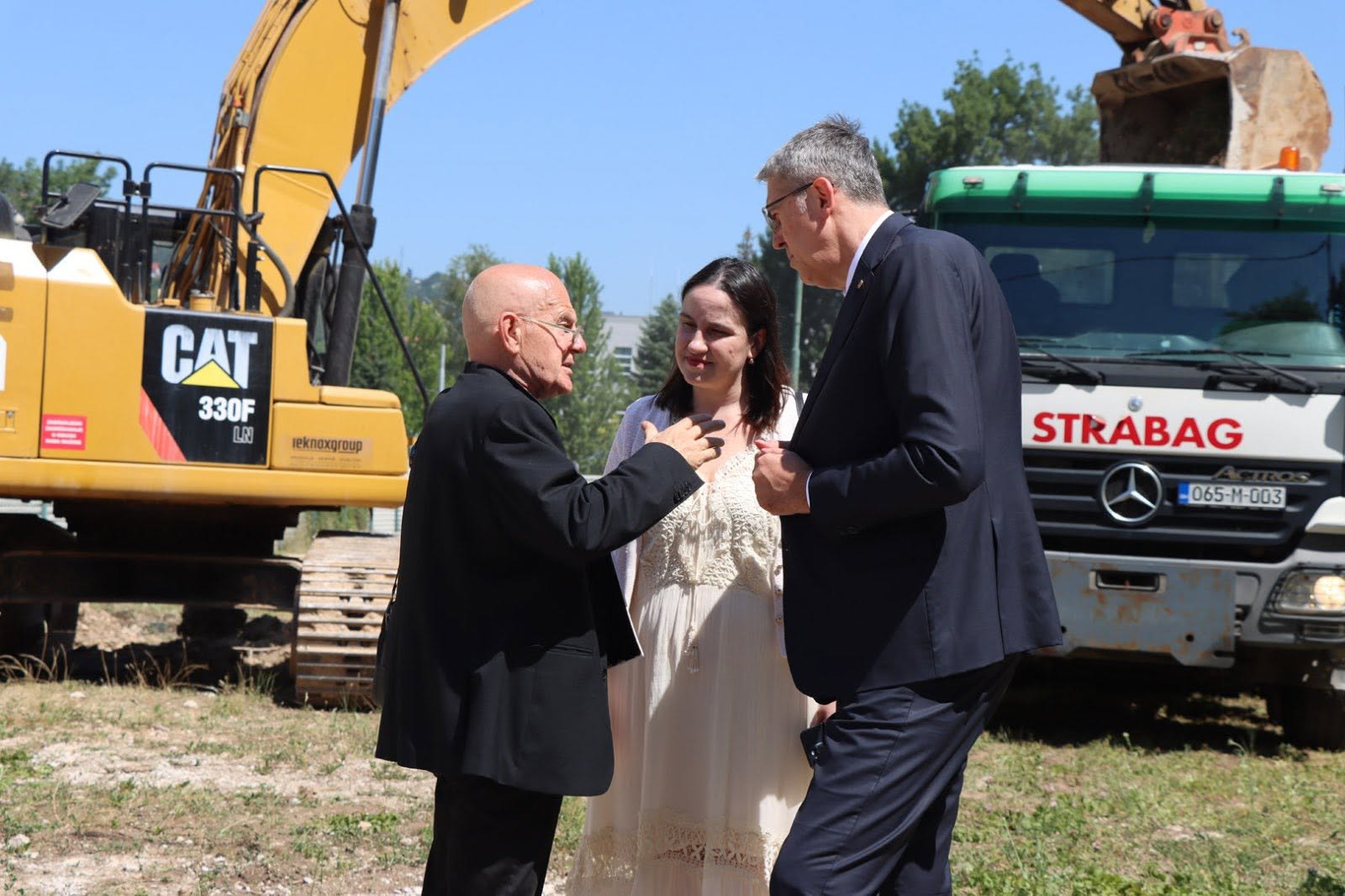
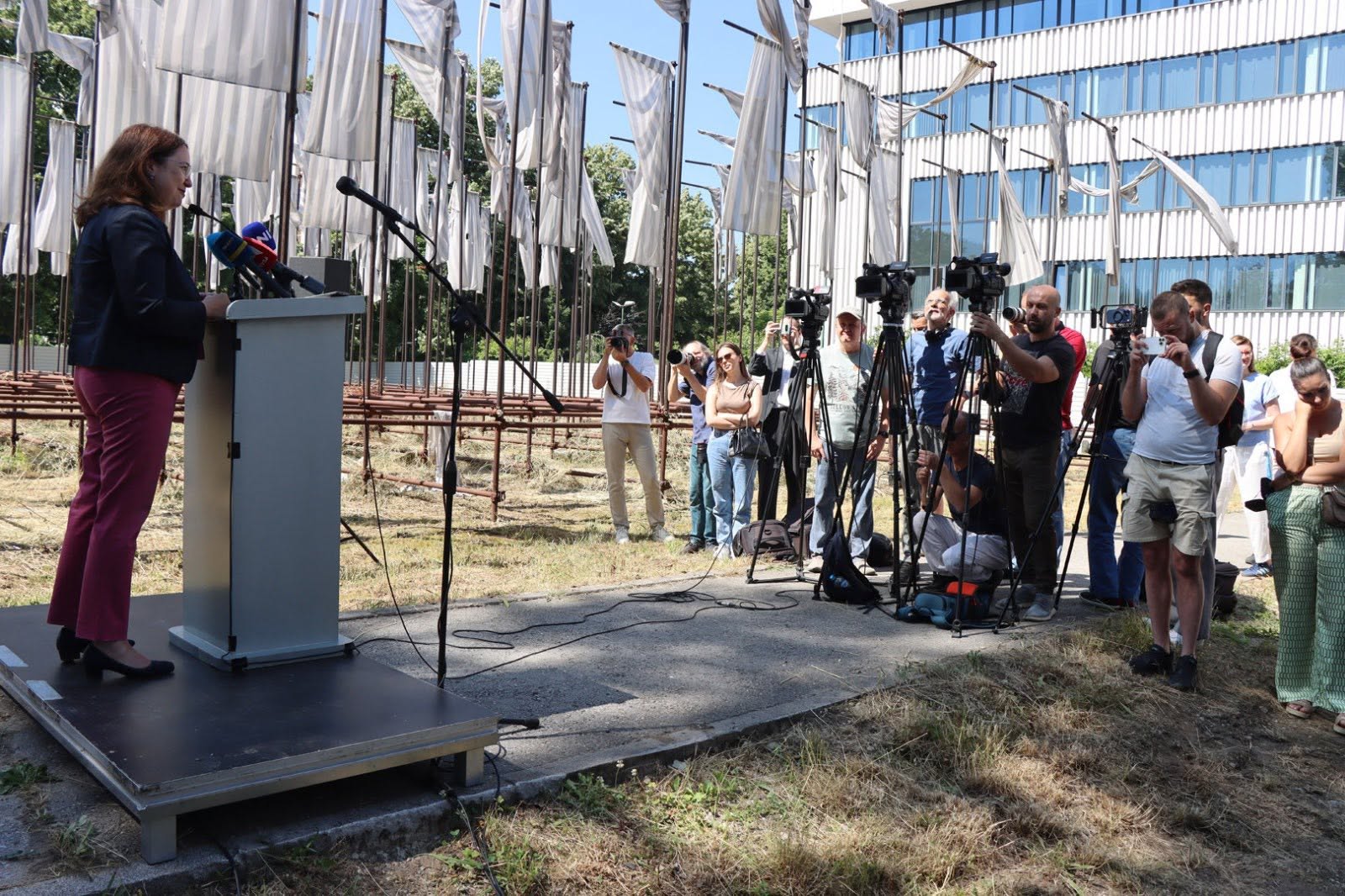
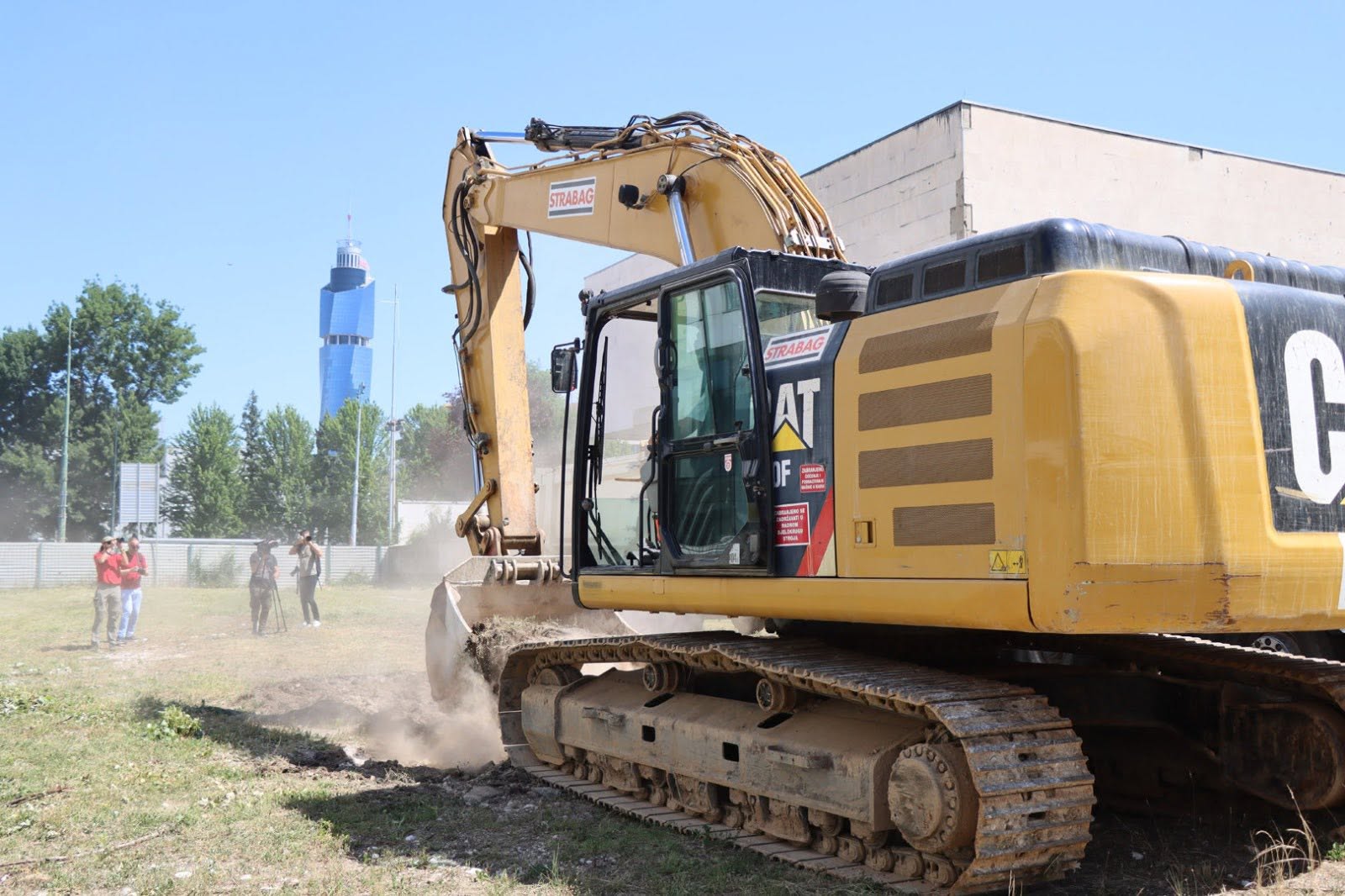
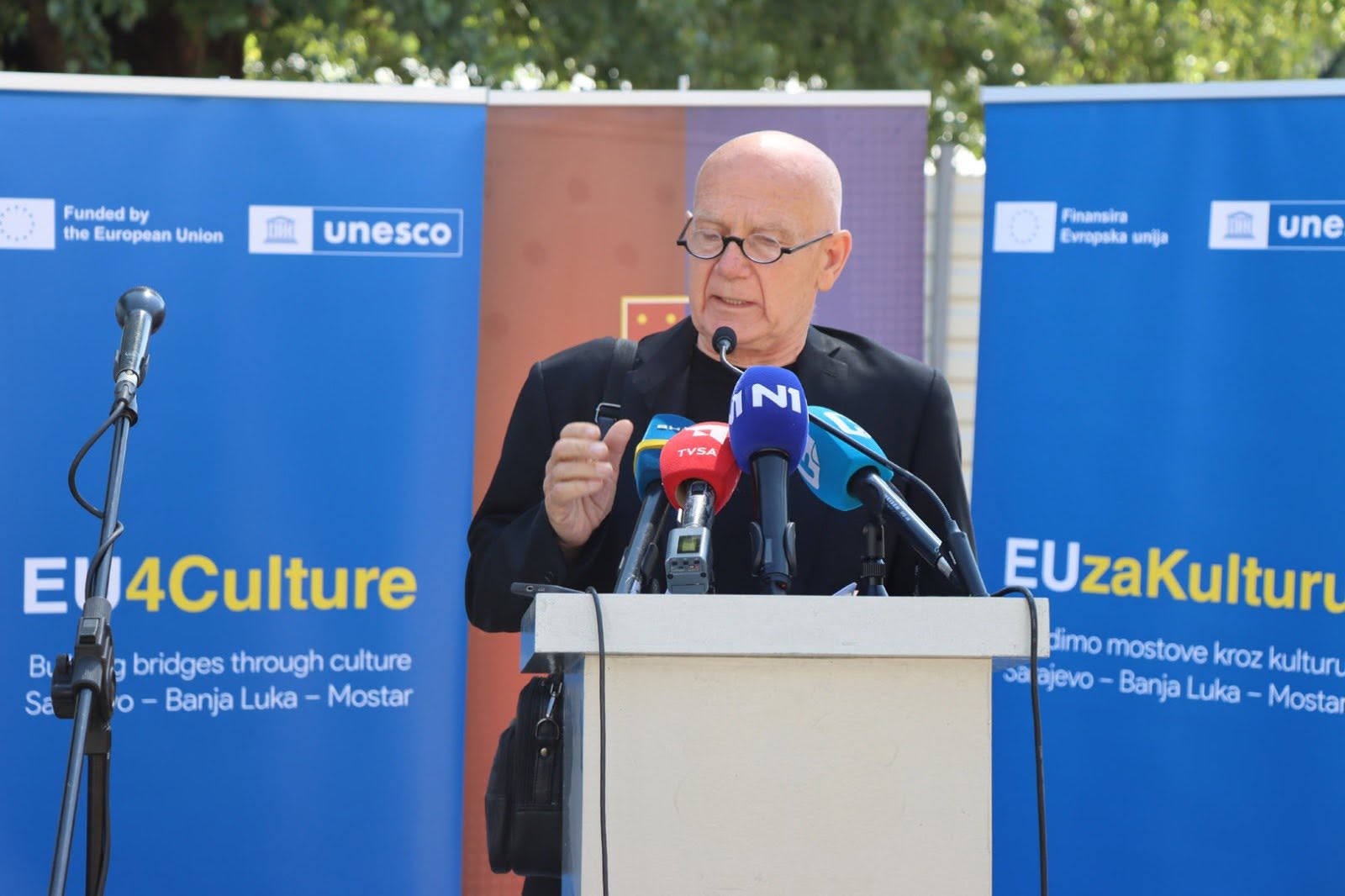
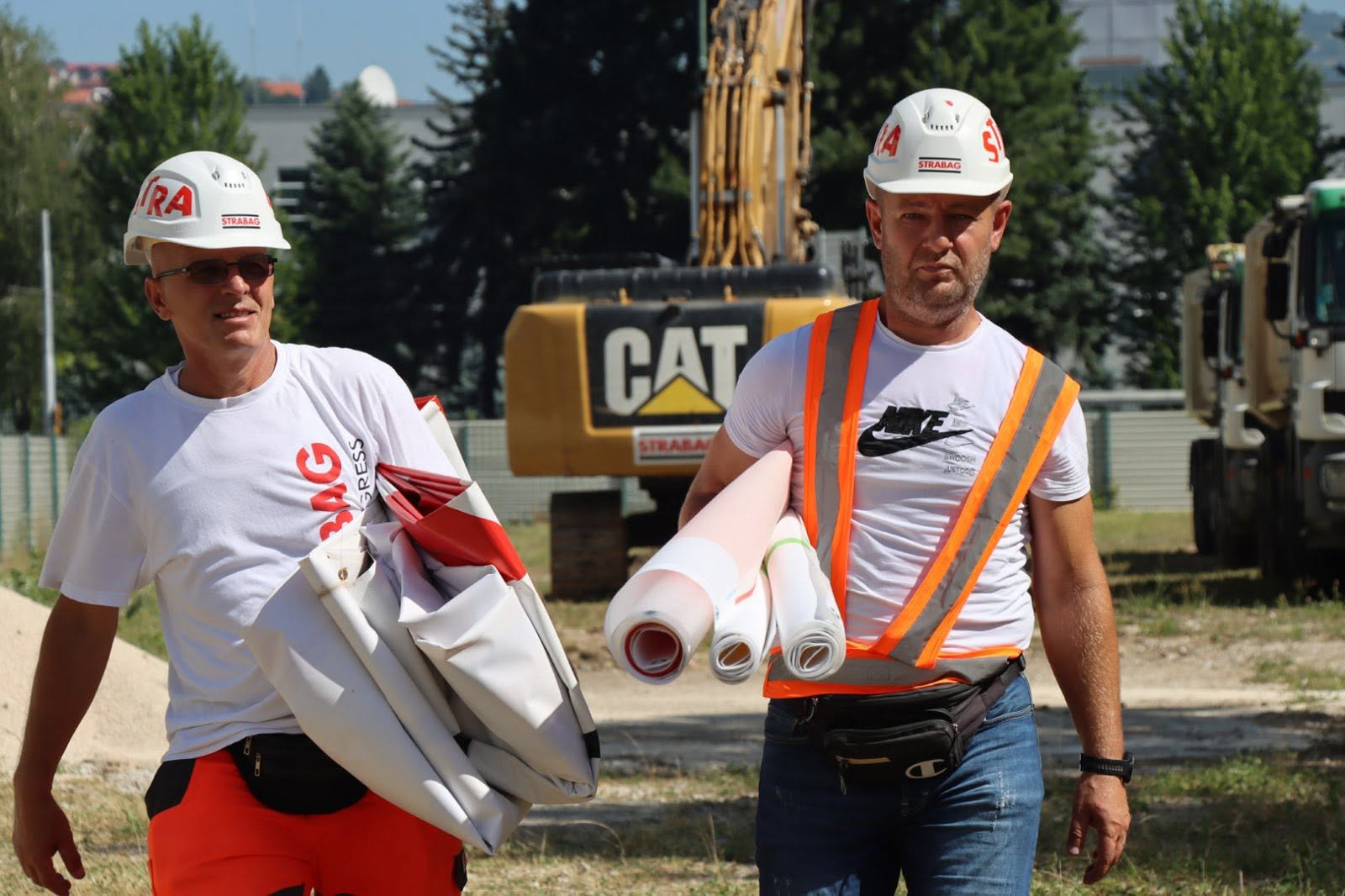
Thirty-four years after the idea was conceived in a city under siege, Sarajevo this morning saw the first machine break ground at the site of the future Museum of Contemporary Art Ars Aevi.
/
News
Construction of the Ars Aevi Museum Begins
Updated: 29 June 2026
/
YOU MIGHT BE INTERESTED
/Novosti
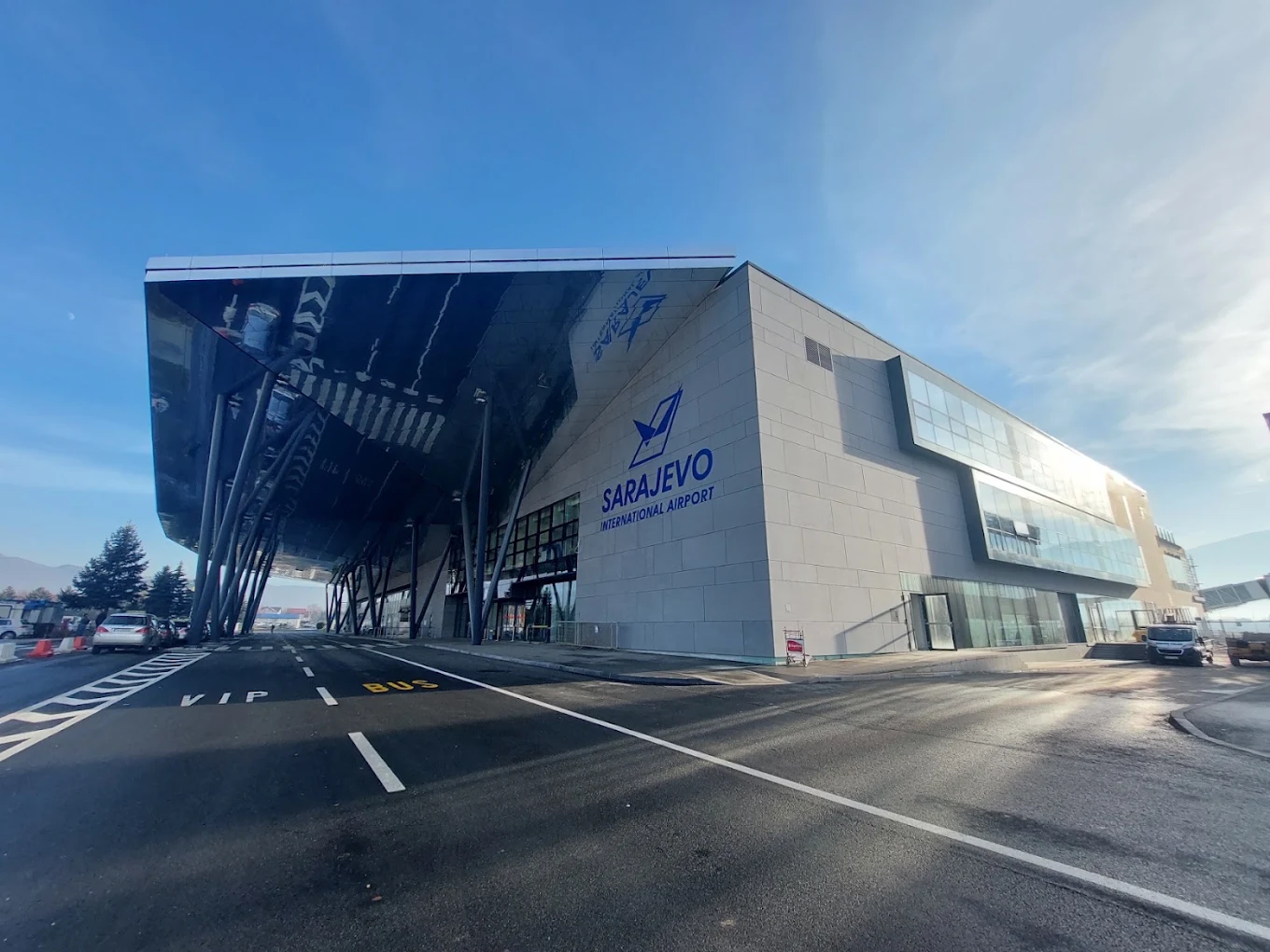
Zimski red letenja na Aerodromu Sarajevo
Sezonu će obilježiti tri nove linije Wizz Aira . Letovi za Bratislavu i Berlin kreću 3. decembra , a za Prag 18. decembra , uz karte koje kreću već od 40,99 KM . Letovi za Berlin i Bratislavu na rasporedu su četvrtkom i nedjeljom , a za Prag ponedjeljkom i petkom . Uz ove nove rute, putnicima ostaju na raspolaganju i letovi za Beč, Zagreb,…
/Sarajevske priče
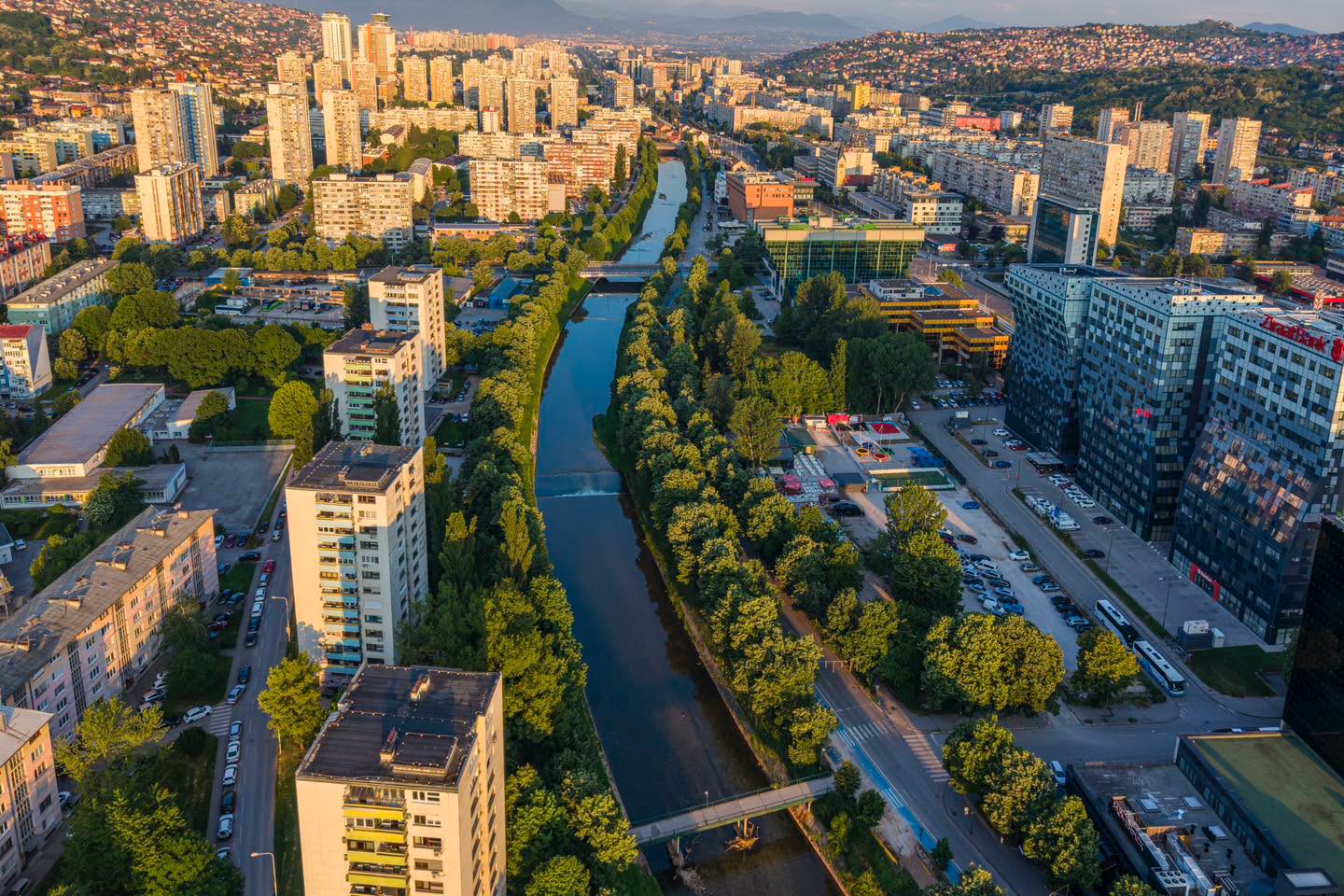
Zelene oaze Sarajeva: Gdje pobjeći od gradske vreve
Od Velike aleje do izvora rijeke Bosne Ako postoji staza koja u potpunosti spaja prirodu, historiju i opuštanje, to je nesumnjivo Velika aleja na Ilidži . Ova dugačka, ravna šetnica omeđena sa više od 3.000 platana i kestena zasađenih još u austrougarskom periodu, pruža neponovljiv osjećaj mira. Šta doživjeti: Prošetajte sporednim stazama, iznajmite…
/Novosti
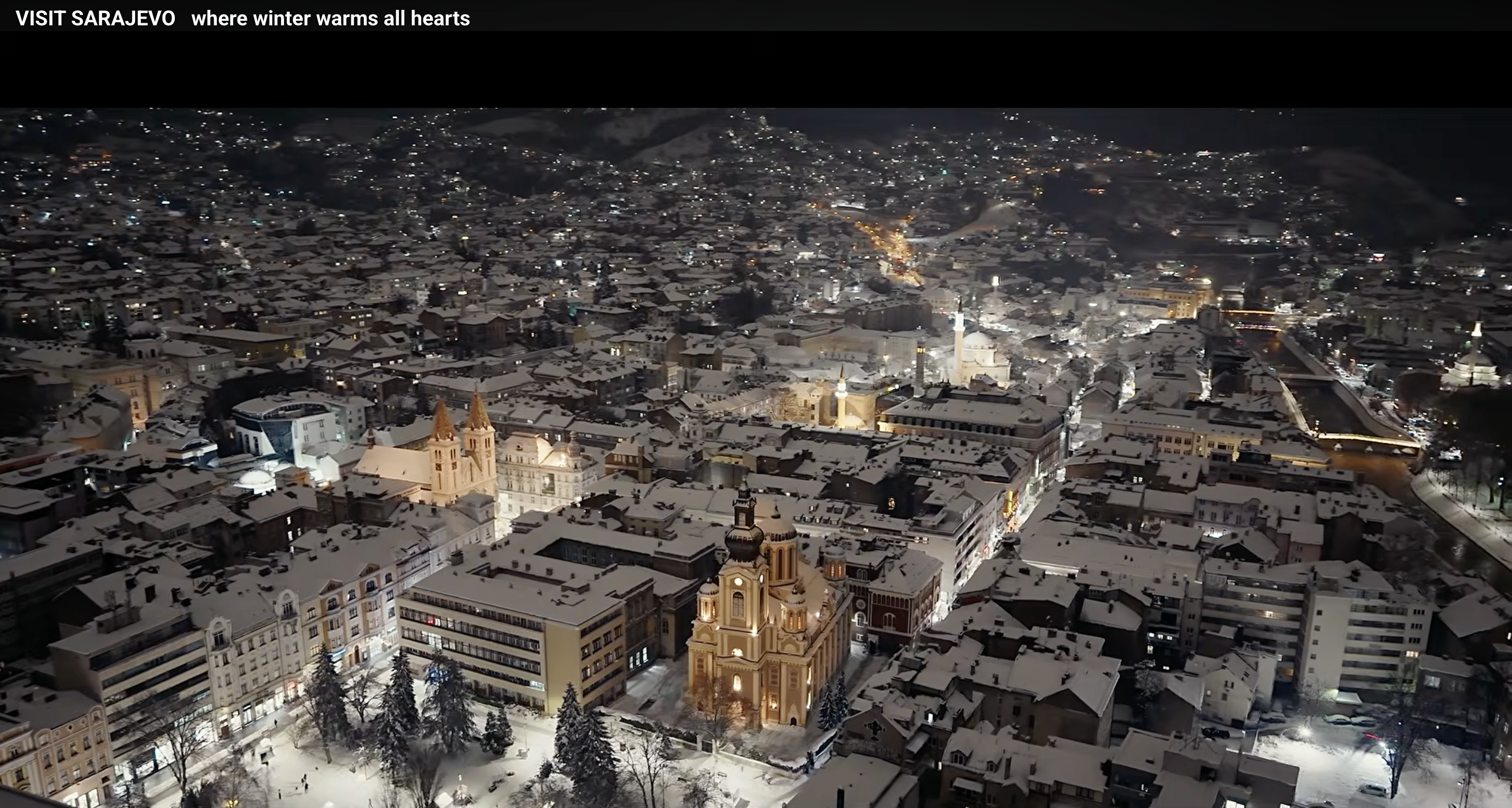
Predstavljen novi video Sarajeva: „Where Winter Warms Our Hearts”
Produkciju videa potpisuje studio Gotiva iz Sarajeva. Riječ je o nastavku izuzetno uspješnog promotivnog filma „Where Cultures Embrace” , koji je prošle godine osvojio drugo mjesto u kategoriji promocije gradova na prestižnom globalnom takmičenju turističkih filmova CIFFT (International Committee of Tourism Film Festivals), dok je na prestižnom festivalu u Los Angelesu osvojio prvo mjesto. Novi…


