

/
Sarajevo stories
Marshal Tito Street
Updated: 22 July 2026
/
YOU MIGHT BE INTERESTED

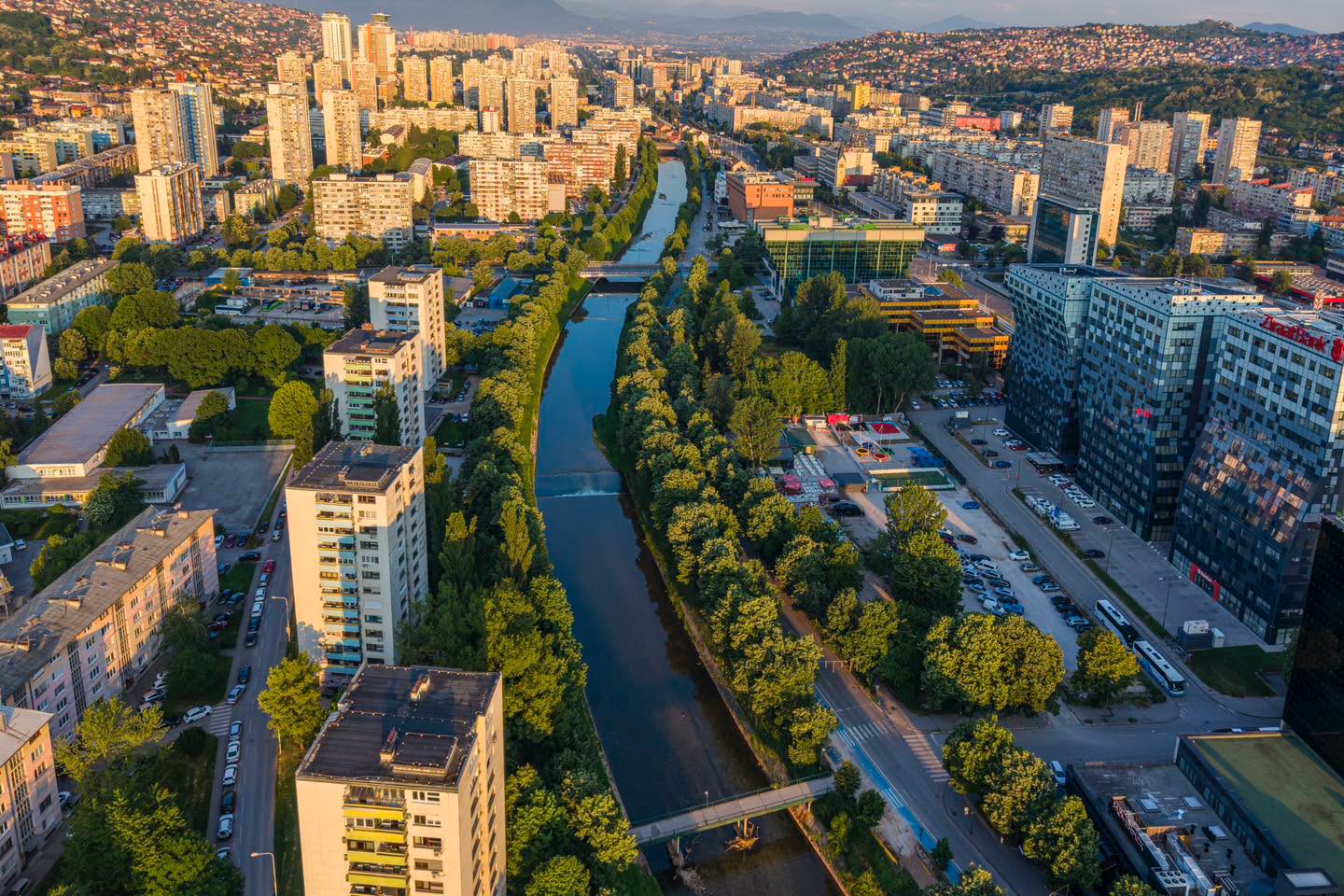
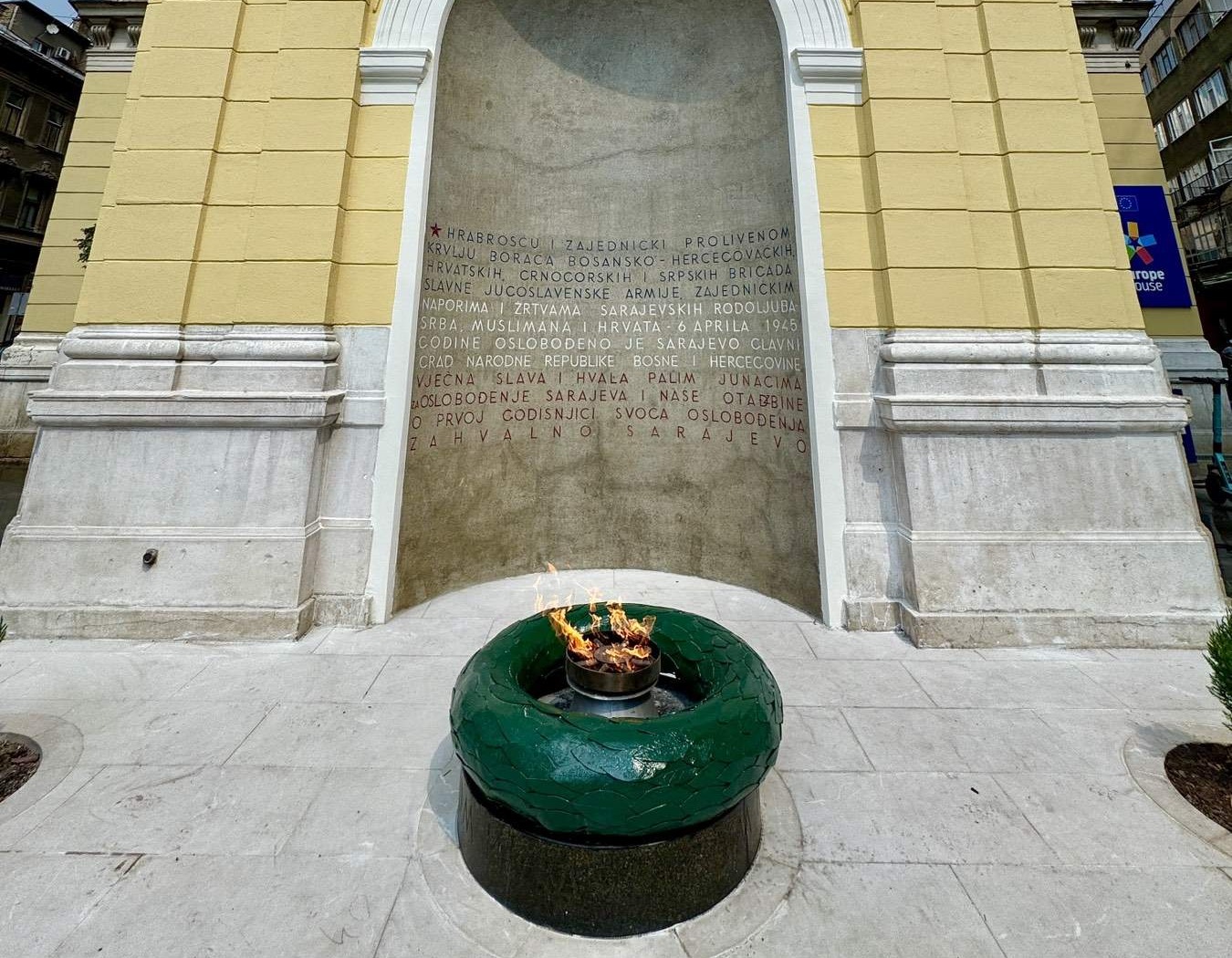
During the Ottoman era, this route was divided into mahale (neighborhoods) and roads. The beginning of the street was called Podmagribija, after the mosque in today's Marijin Dvor, while the central part was known as the Gaziler Road—named after the heroes Ajni-dedo and Šemsi-dedo. The areas around the Great Park and the Eternal Flame bore the picturesque names of Žabljak (Frogville) and Bare (The Marshes). The reason? Buka stream used to flow down today's Dalmatinska Street, leaving the entire area waterlogged and swampy.
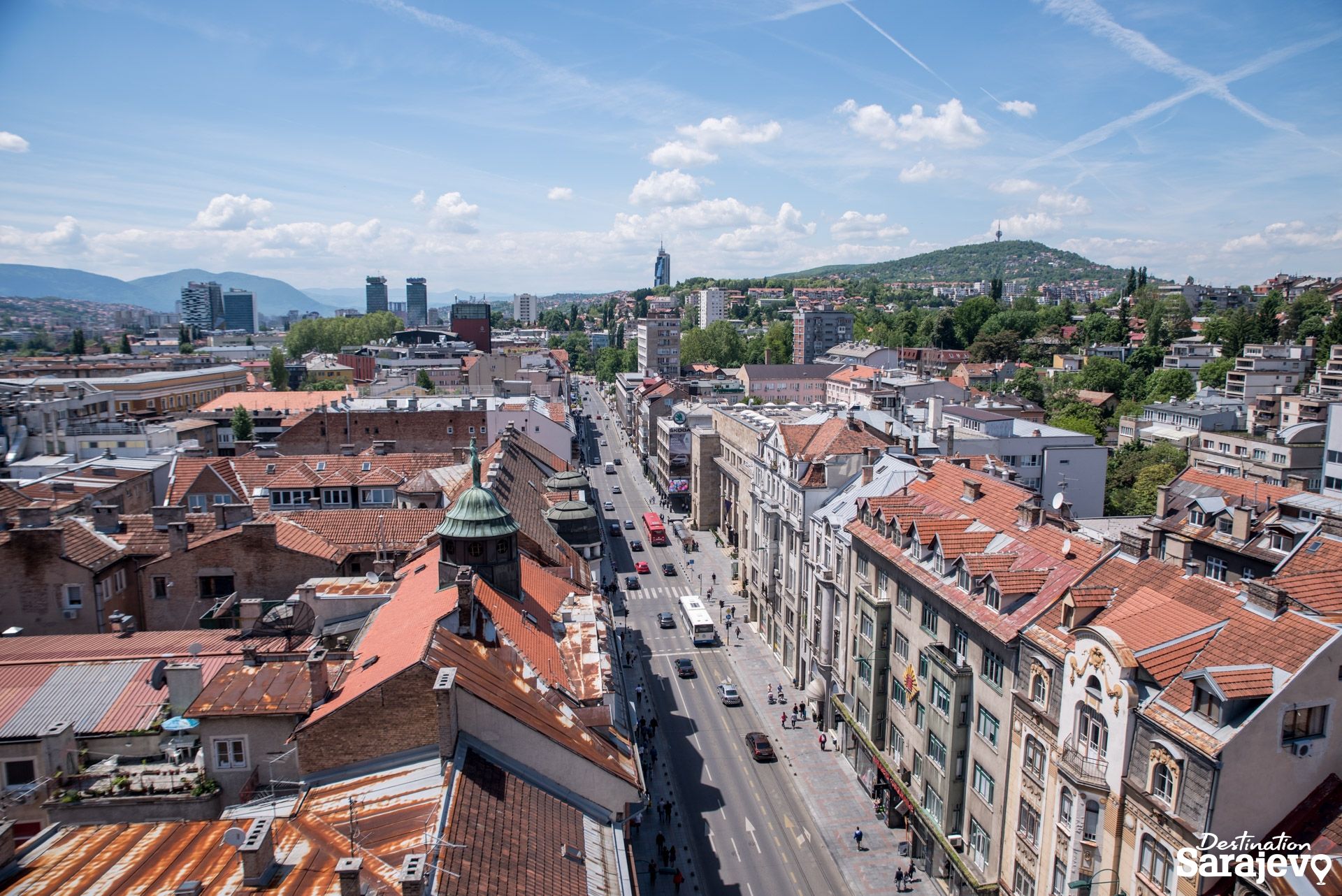
With the arrival of the Austro-Hungarian Empire, the street became Ćemaluša, and following the Sarajevo Assassination in 1914, it was renamed after Franz Ferdinand. After World War I and the creation of the Kingdom of SHS, it turned into Alexander I Karađorđević Street. During World War II, it bore the name of Ante Pavelić, until finally, on April 6, 1946—the city's Liberation Day—it received its current name: Marshal Tito Street.
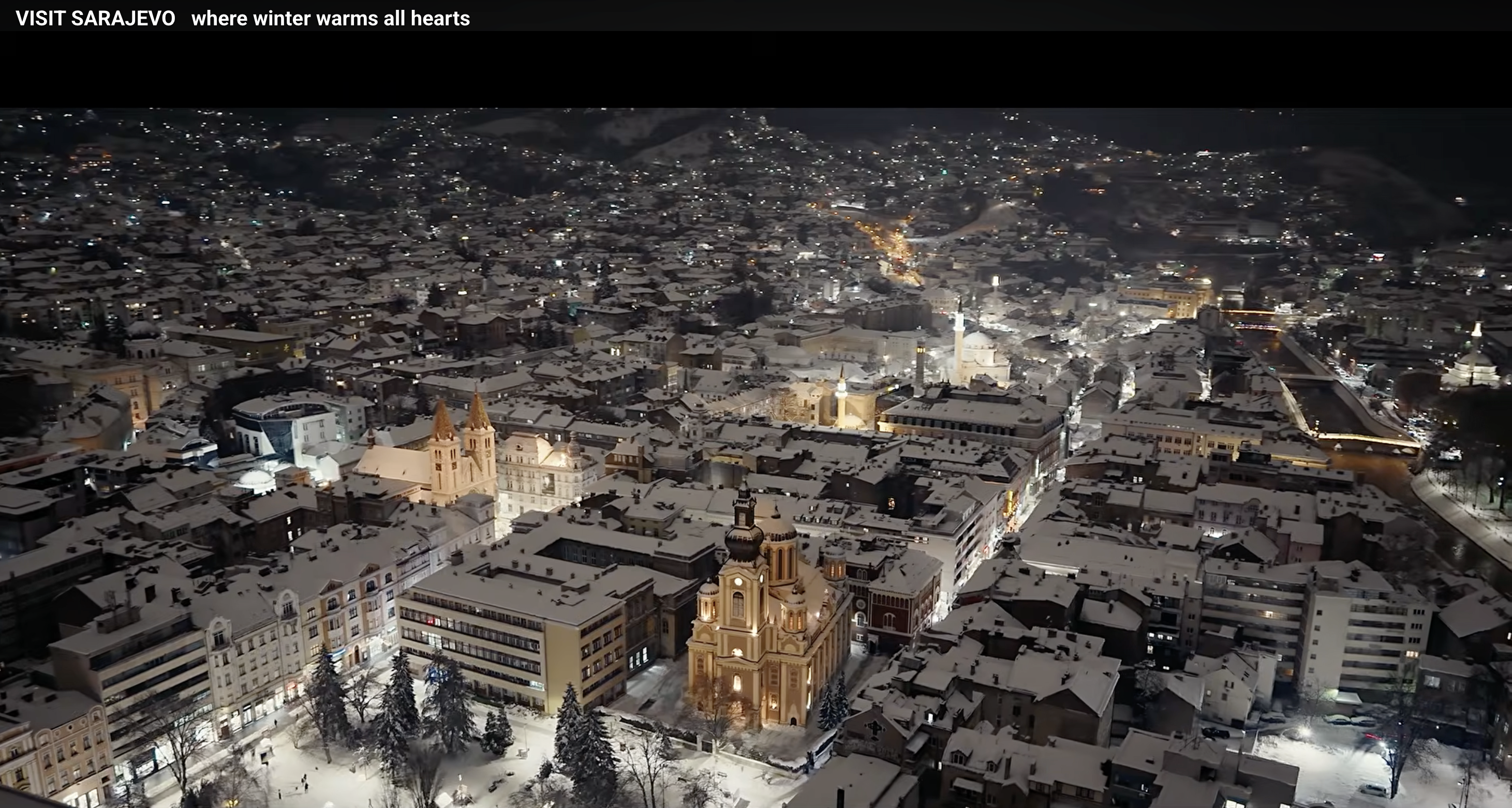
In the wartime year of 1993, the street was split into two sections. From Marijin Dvor to Eternal Flame, we still walk along Tito Street today, while its former extension, leading straight into the heart of Baščaršija, is named after the famous chronicler Mula Mustafa Bašeskija. So, the next time you pass by Eternal Flame, remember that this is a place where frogs once sang, and where the heart of the city beats today.
RECOMMENDED PLACES