LOCATION / AREA
Old Town
SIGHTSEEING LABEL
Cemetery / Mausoleum
DISTANCE FROM AIRPORT
8.8km
DISTANCE FROM SARAJEVO BUS STATION
3.2km
Distance from the center
2.0km
NEAREST PUBLIC TRANSPORT STATION
Tram station Vijecnica - 322m


History cannot be changed. We can only learn from it and leave it for future generations.

An extremely touching place that should be treated with immense respect and morality, something evidently not all human beings possess. I climbed up the hill to take a commemorative photo and sit in religious silence. Needless to say, there were countless tourists at sunset, all taking selfies near the graves, consuming food and alcohol on the lawn, playing cards... I was so disgusted! A place that should be treated with a respect it doesn't have. Otherwise, the place itself is absolutely incredible, especially at sunset, or even at dawn in the absolute silence. If you visit, please respect this place and this city!

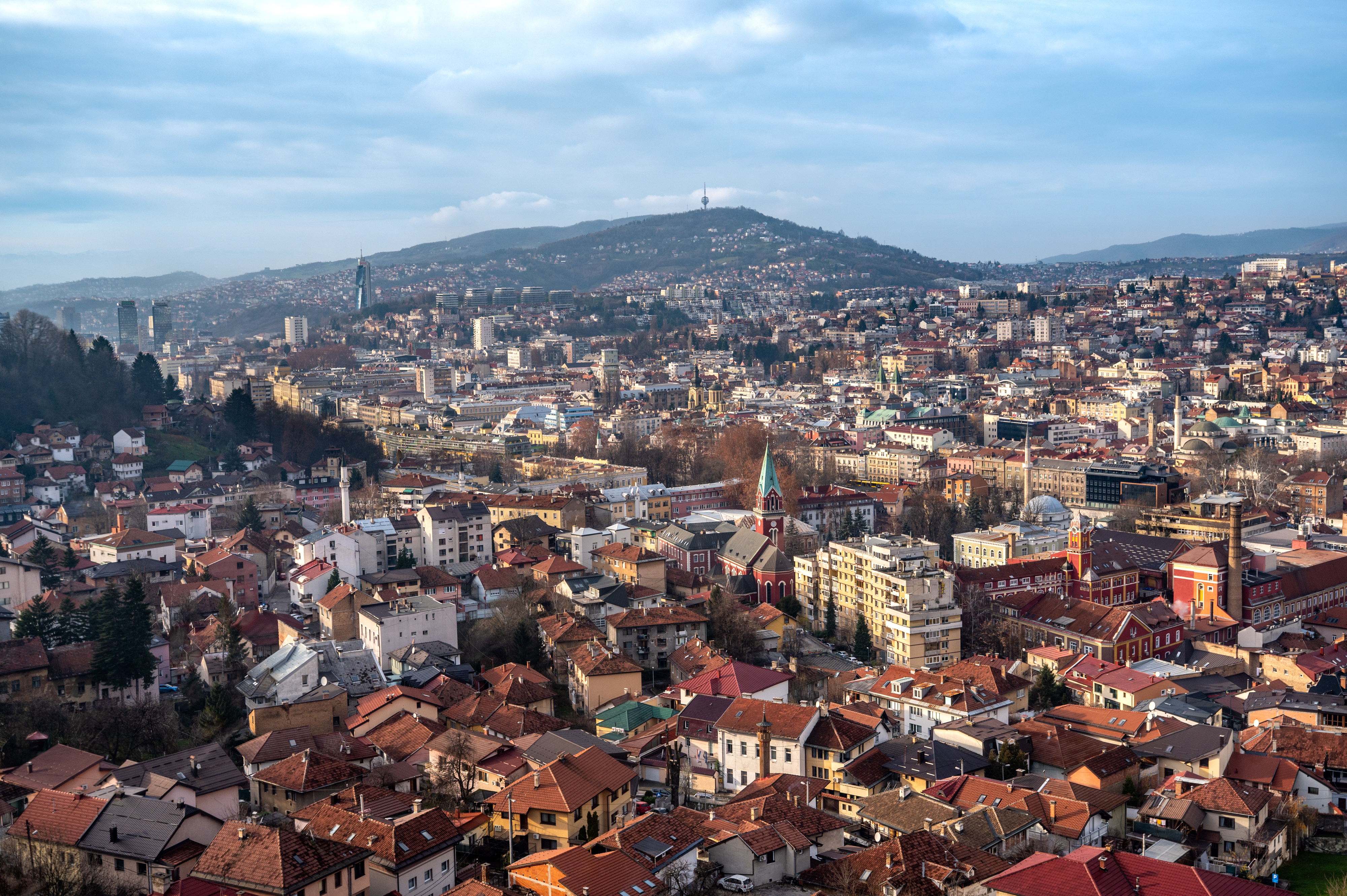
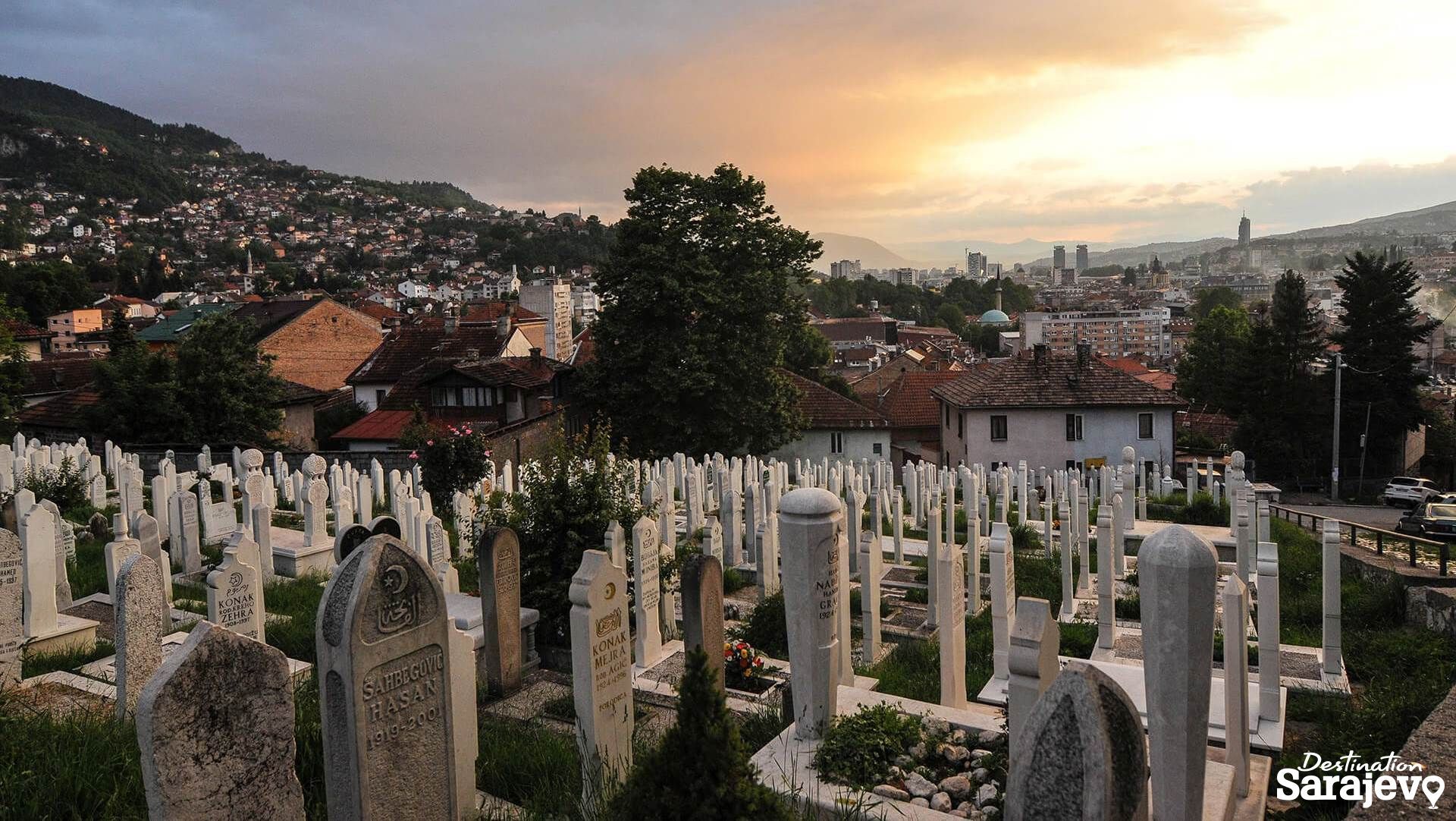
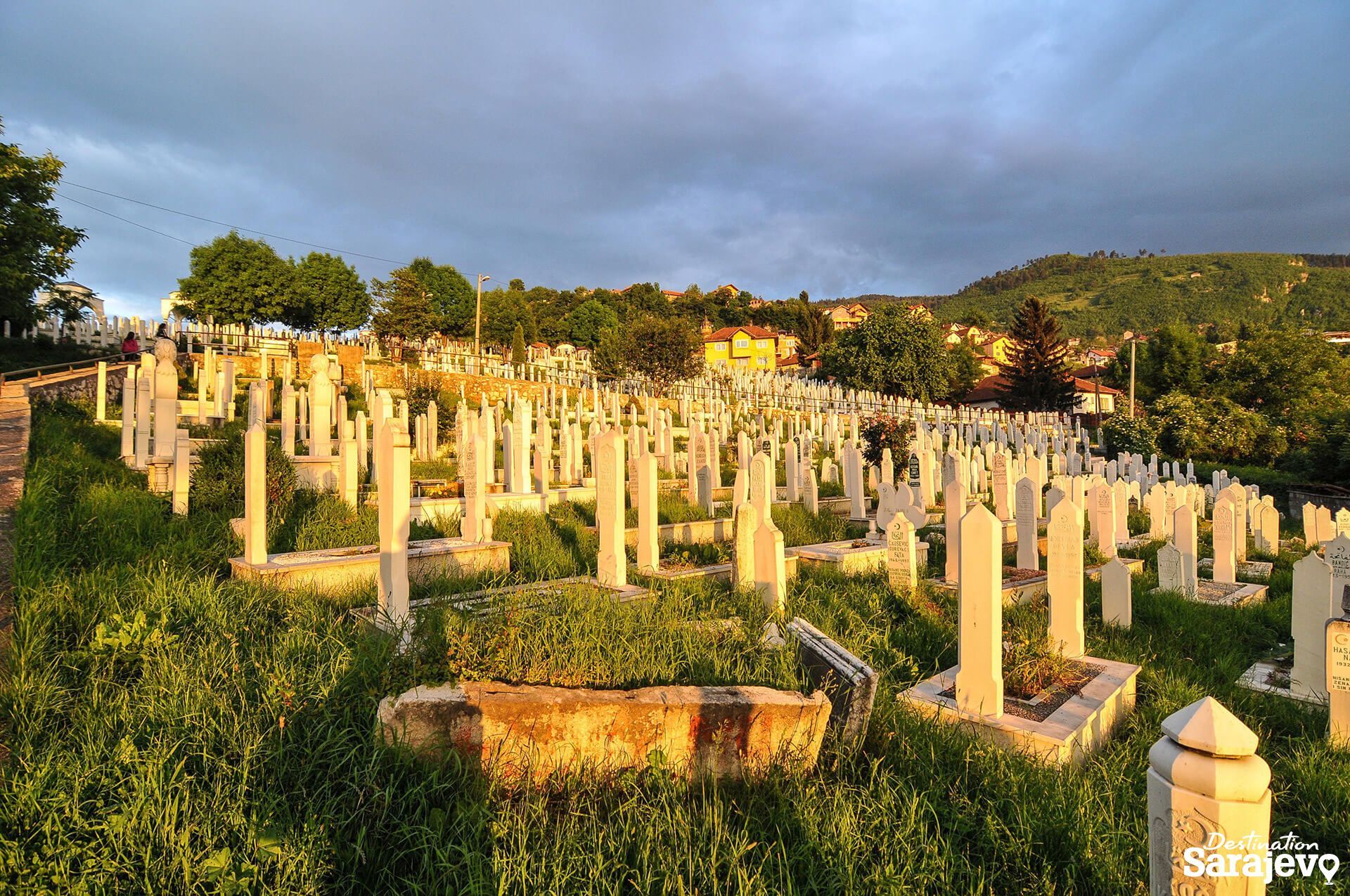
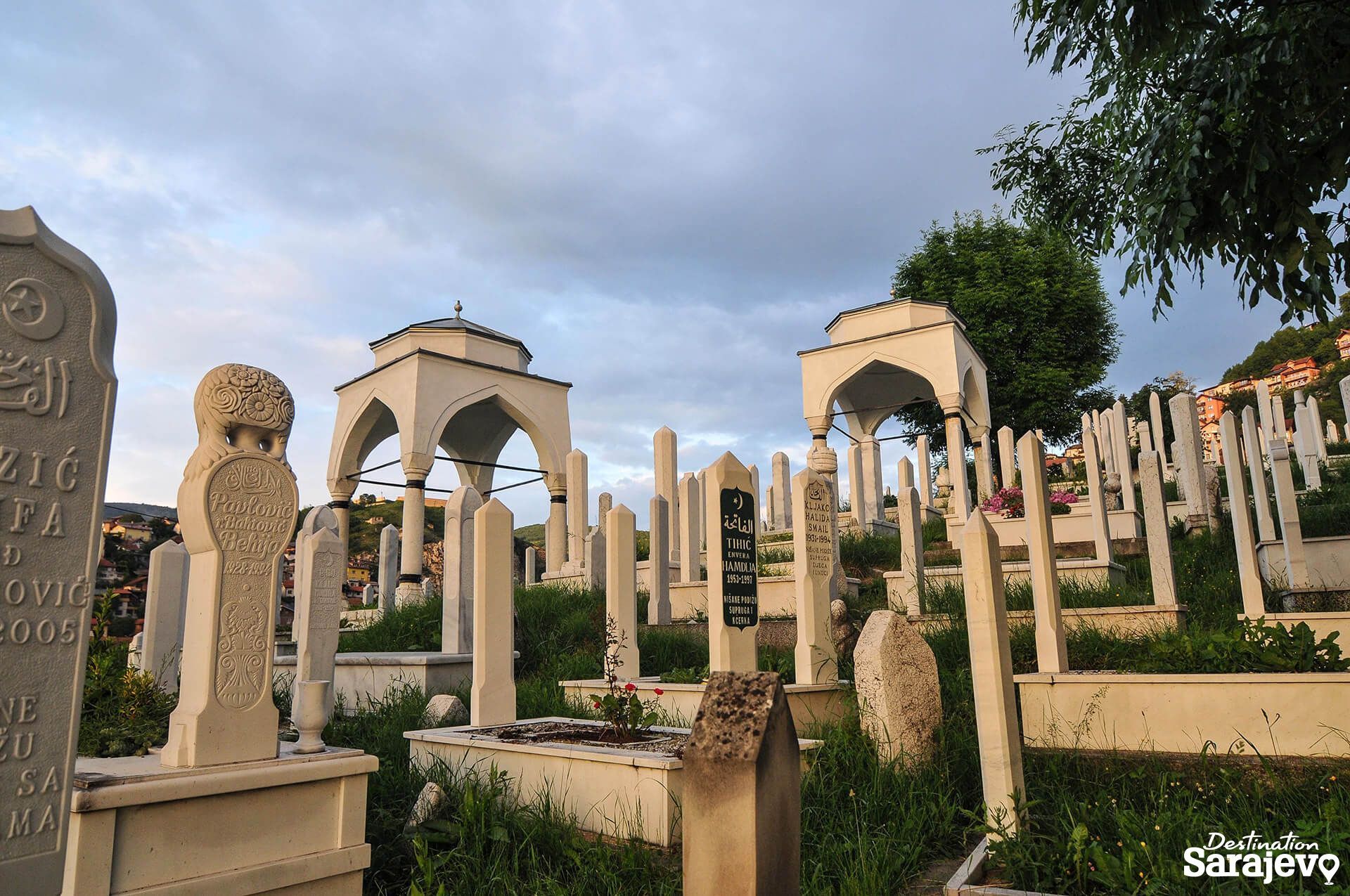
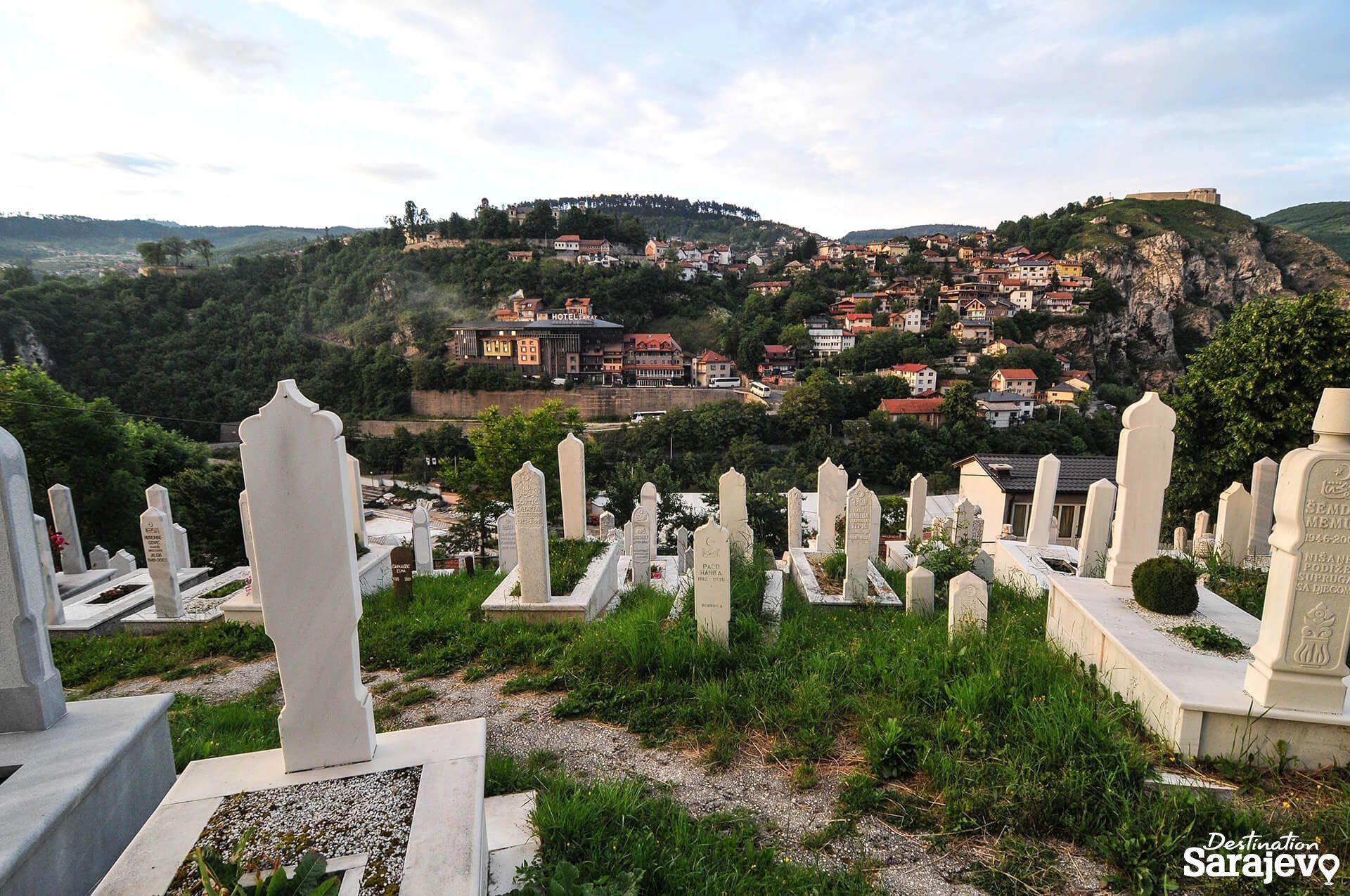
The Alifakovac Cemetery (Groblje Alifakovac) is one of the oldest and most beautiful Muslim cemeteries in Sarajevo. Located on the heights of the Old Town, it has been in use since the 15th century and is now a National Monument of Bosnia and Herzegovina. From its pathways, visitors can enjoy a breathtaking panorama of Sarajevo's rooftops and the Miljacka Valley. The neighborhood and the cemetery are named after Ali-Fakih, a 15th-century Muslim jurist and scholar. He is mentioned as a witness in the founding charter (vakufnama) of Isa-beg Ishaković in 1462, a document considered the "birth certificate" of Sarajevo. The Alifakovac neighborhood subsequently developed around the cemetery, the mosque, and the old roads leading east into the Balkans. Because of its location along the old imperial road connecting Sarajevo to Istanbul, the cemetery served not only as the final resting place for the city's inhabitants, but also for many travelers, merchants, pilgrims, and foreigners who died while passing through Sarajevo. This is why Alifakovac is sometimes called the "Travelers' Cemetery" (Musafirsko groblje), the word musafir meaning a traveler or a passing guest. The cemetery contains several hundred nišani (Muslim gravestones) dating from various periods, as well as two elegant turbe (open mausoleums) from the 18th century. One houses Yusuf Pasha Ćuprilić, a former Ottoman governor of Belgrade who spent his final years in Sarajevo, while the other was built for Mehmed, the young son of a qadi (Islamic judge) of Sarajevo, who died prematurely in 1780. Nearby is also an old fountain erected in his memory. The site is also renowned for its harmony with the landscape. The traditional houses of Alifakovac were built according to a local rule that ensured no neighbor was ever deprived of their view or sunlight, creating a particularly balanced urban ensemble. Charmed by this panorama, the famous architect Le Corbusier is said to have called Alifakovac "the most beautiful cemetery in the world" during his visit to Sarajevo.

Respectful.
Both take their name from Ali Faqih, the Islamic jurist and scholar who lived during the 15th century and who served as a witness when the Vakufnama (deed of endowment) was drawn up by Isa Bey Ishaković in 1462. This document is considered Sarajevo’s “birth certificate”.
Starting in the 15th century, the cemetery was the final resting place for influential Sarajevans, as well as for foreigners who passed away on their journey through Sarajevo. It is for this reason that it is also called the Musafir (foreigner, traveler) Cemetery.
In the center of the cemetery there are two tombs (turbes) with columns, where Muhamed Jahjaefendić, the son of Ahmed, a Sarajevo high judge at that time, and Commander Jusuf Pasha Ćuprilić were interred. The cemetery contains more than 500 tombstones with epitaphs written in Arabic.
RECOMMENDED PLACES