Skenderija and the two nearby bridges that span the Miljacka (one of which is made of steel and the other cement) all take their names from Skender Pasha, an Ottoman governor who had a trading center, caravanserai, palace, soup kitchen and tekke built here at the end of the 15th century. In later years his son, Mustafa Bey Skenderpašić, had BiH’s first cupolated mosque built next to his father’s tekke.
The Skenderija Cultural and Sports Center, which stands as a unique architectural creation by the architects, Živorad Janković, Halid Muhasinović and Ognjen Malkin, opened in November 1969.
Skenderija houses several multi-purpose halls, the largest of which can accommodate about 6, 000, and is named after the celebrated basketball player, Mirza Delibašić.
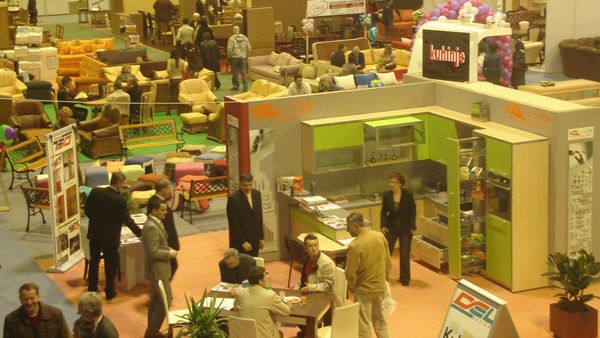
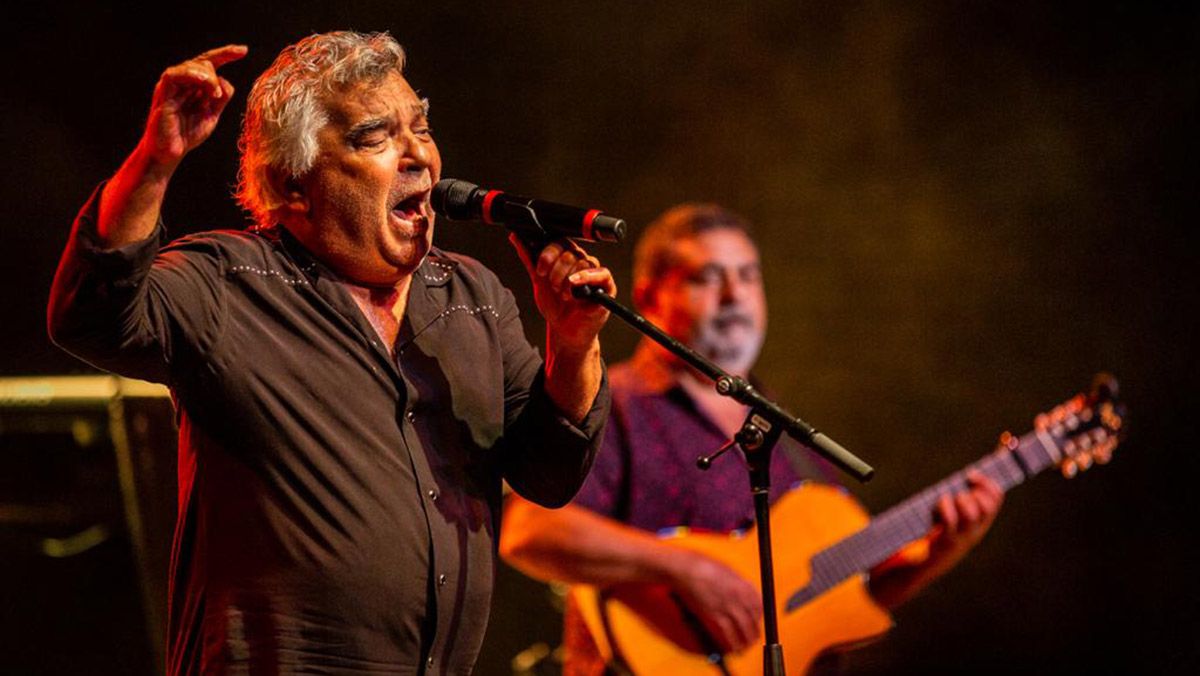
Various fairs and sports, cultural and entertainment events are held in the different halls throughout the year.
Skenderija also hosts numerous sports and recreational events, making it one of the most important venues of its kind for such events and fairs taking place in the city, and it also serves as headquarters for Sarajevski Sajam.
Here you’ll also find Dom Mladih, a space dedicated to the promotion of culture and arts among youth.
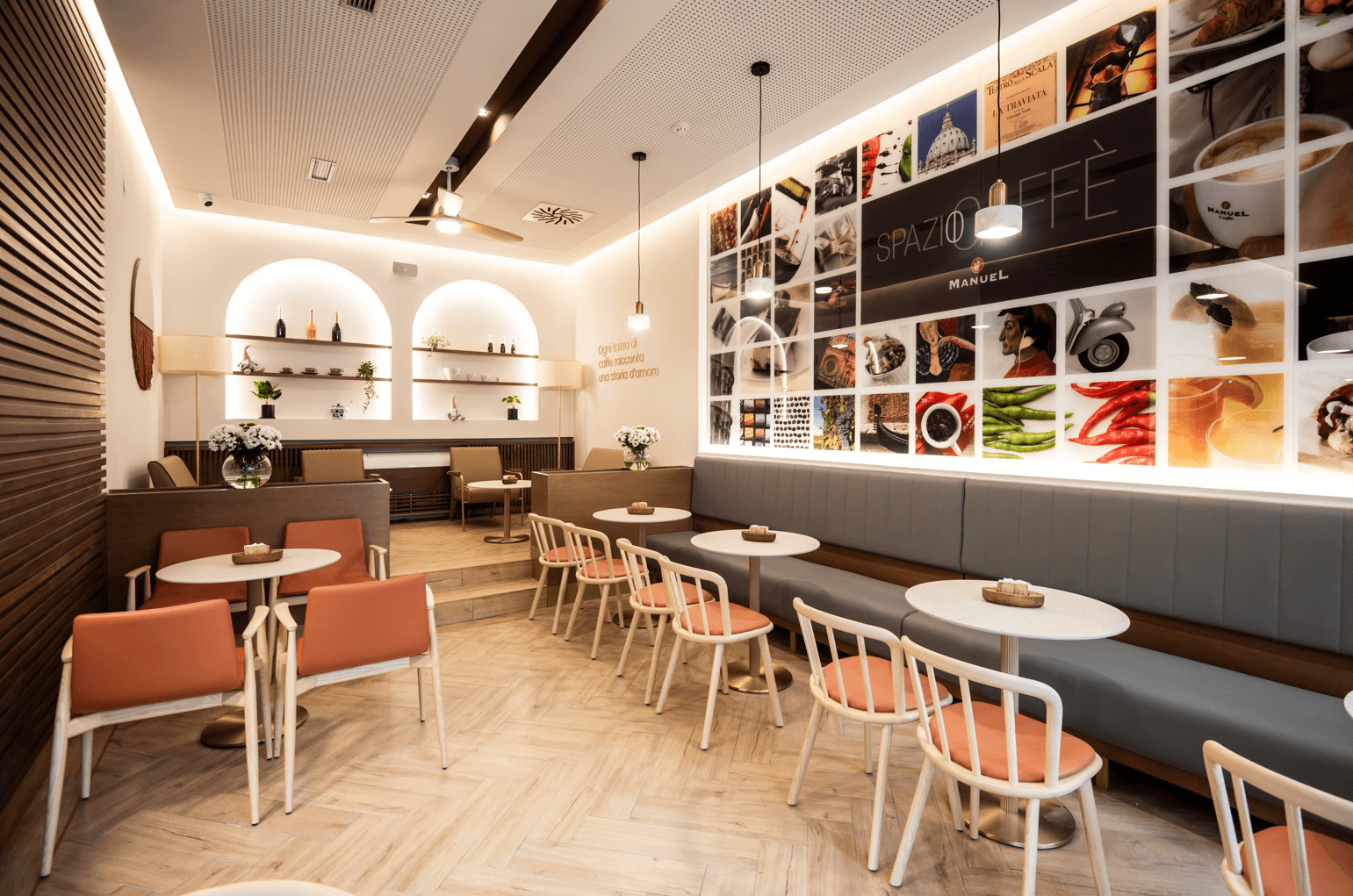
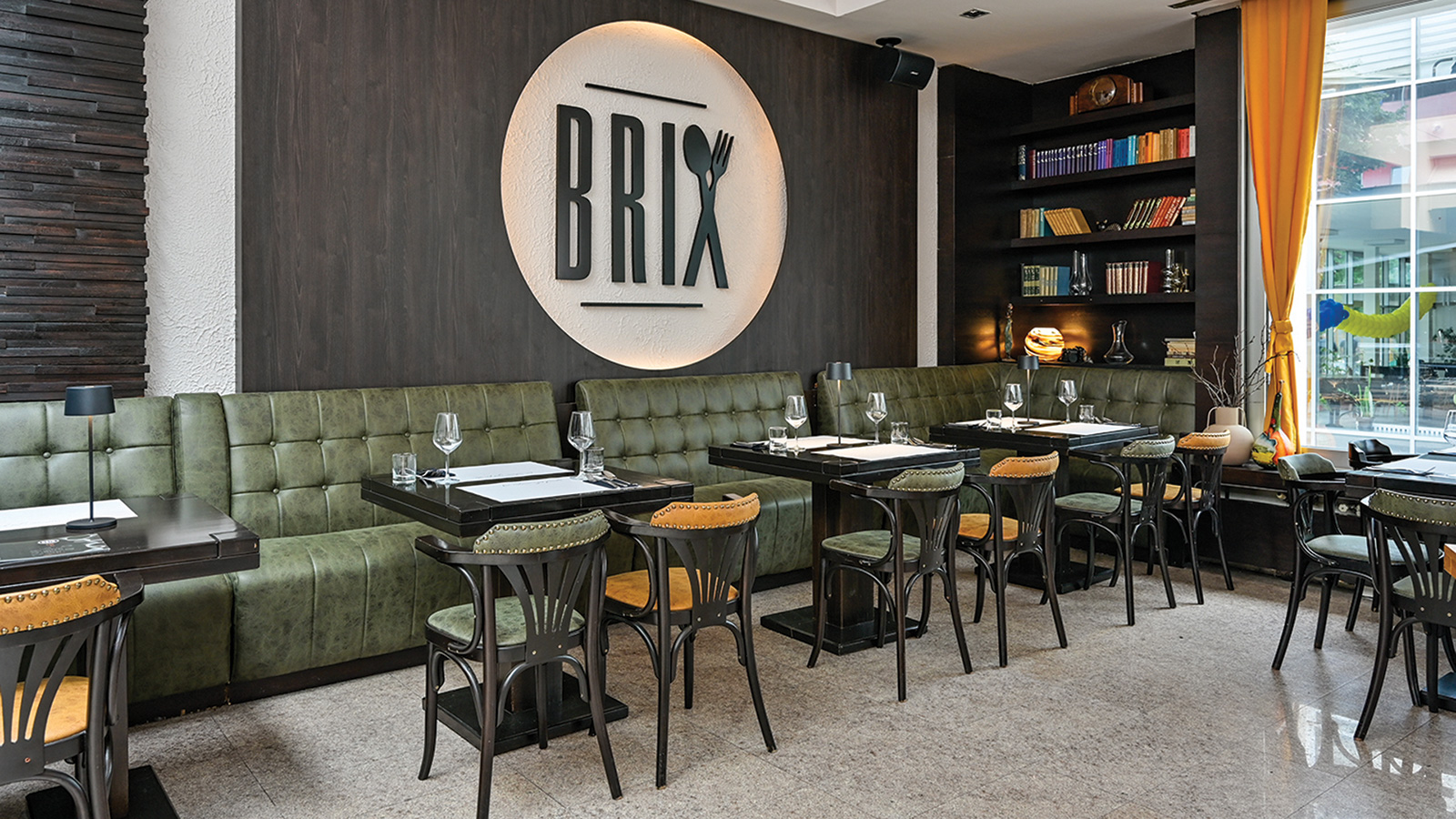
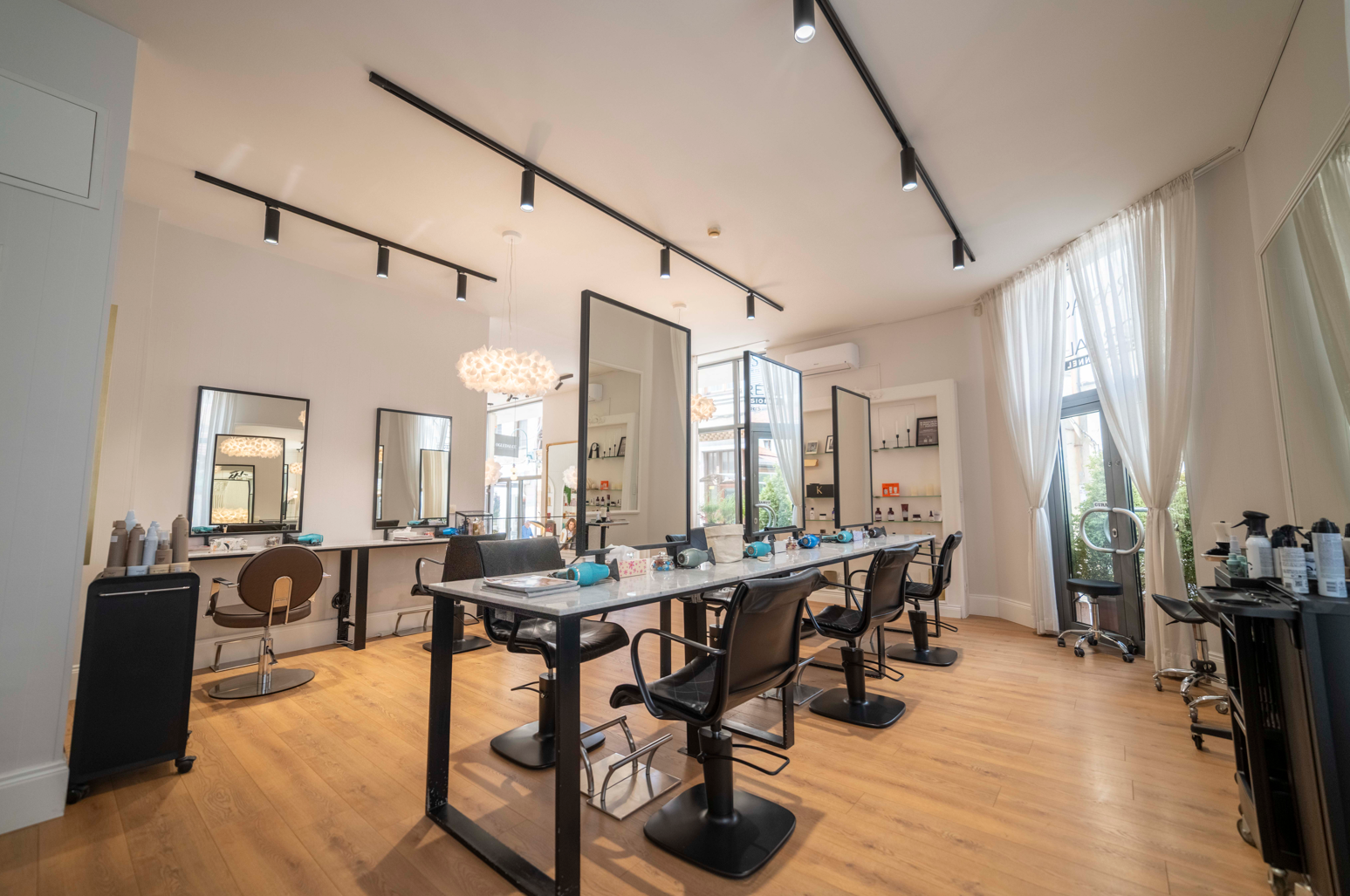
A large proportion of Skenderija’s space is occupied by Privredni Grad, a shopping complex with many shops, restaurants, cafes…, plus there’s Coloseum Club and Collegium Artisticum Gallery.
LOCATION / AREA
Center
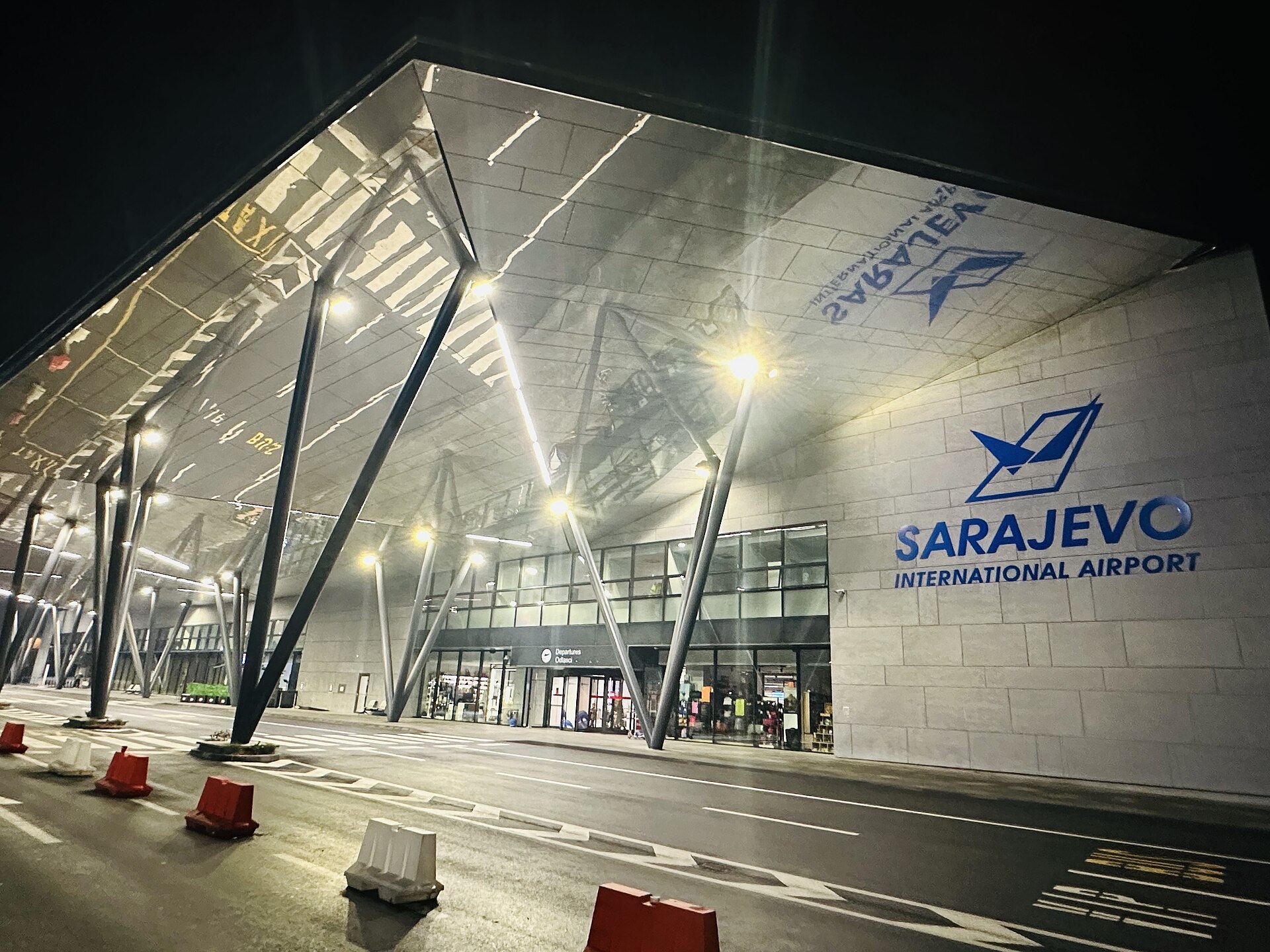
DISTANCE FROM AIRPORT
6.9km
DISTANCE FROM SARAJEVO BUS STATION
1.4km
Distance from the center
207m
NEAREST PUBLIC TRANSPORT STATION
Trolleybus station Skenderija - 97m


The only entrance that is accessible with a baby stroller (although very steep so I doubt it is accessible to wheelchair users) is closed.


RECOMMENDED PLACES