LOCATION / AREA
Old Town
DISTANCE FROM AIRPORT
8.1km
DISTANCE FROM SARAJEVO BUS STATION
2.5km
Distance from the center
1.2km
NEAREST PUBLIC TRANSPORT STATION
Tram station Latinska cuprija - 88m


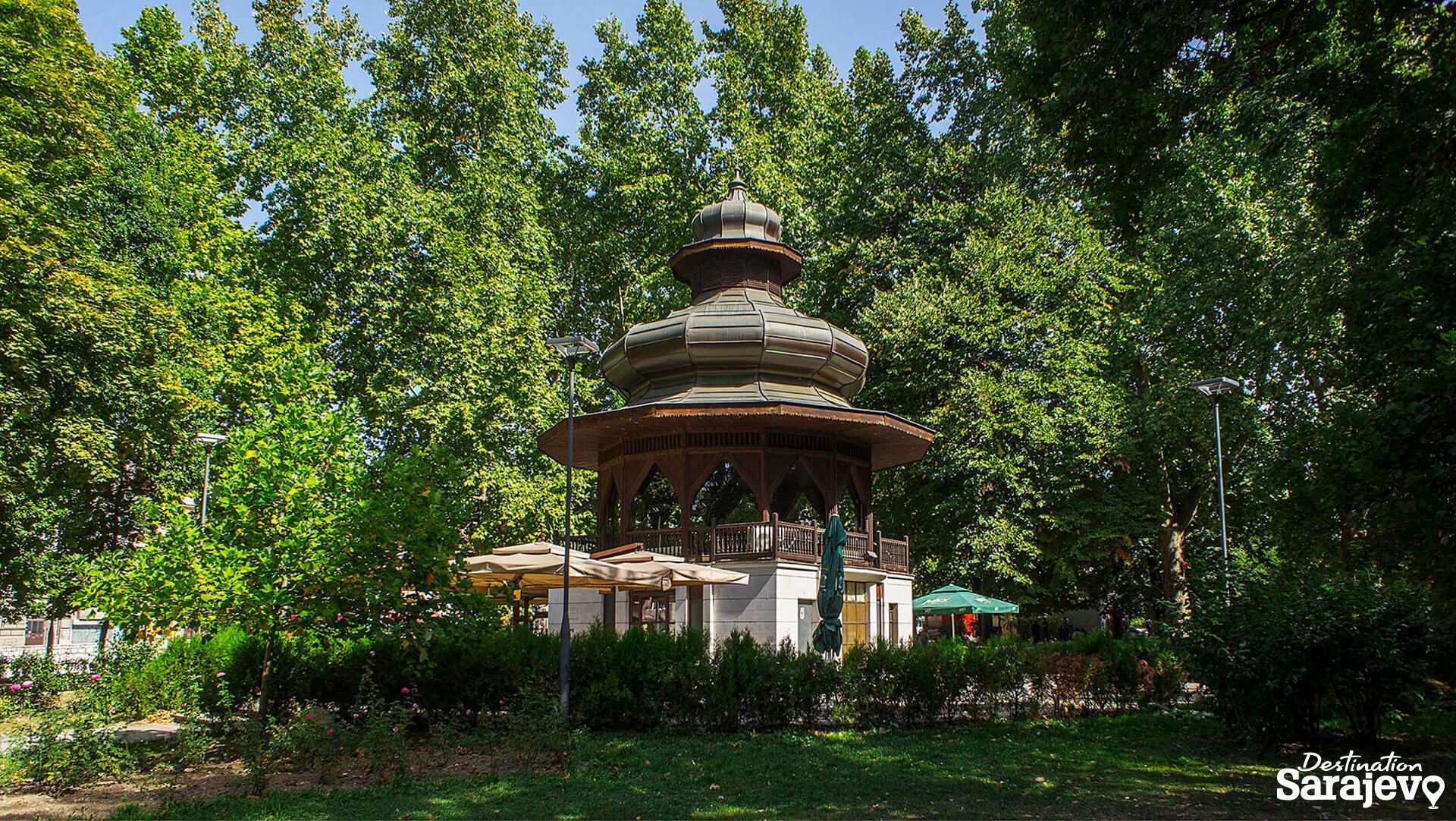
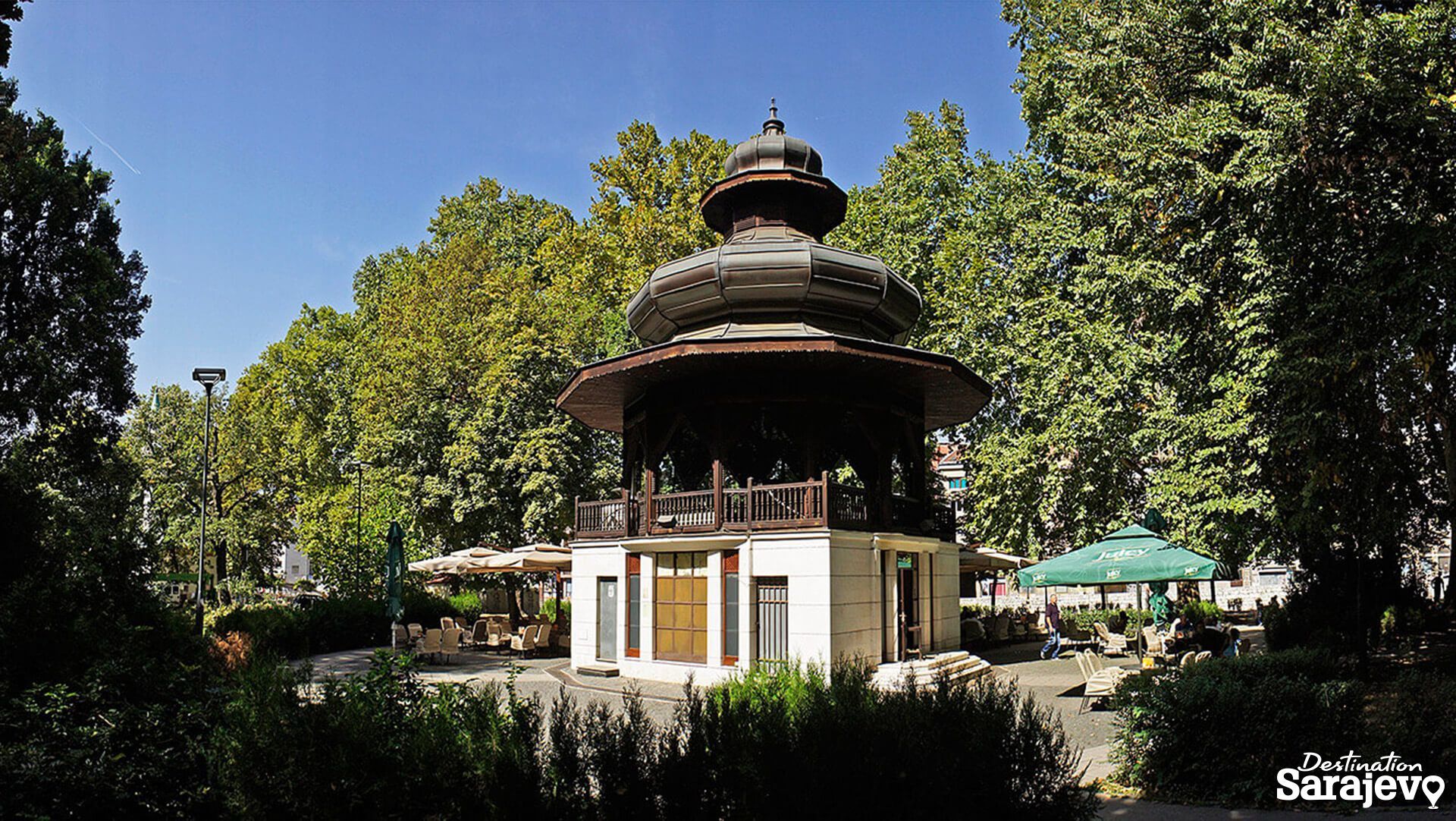
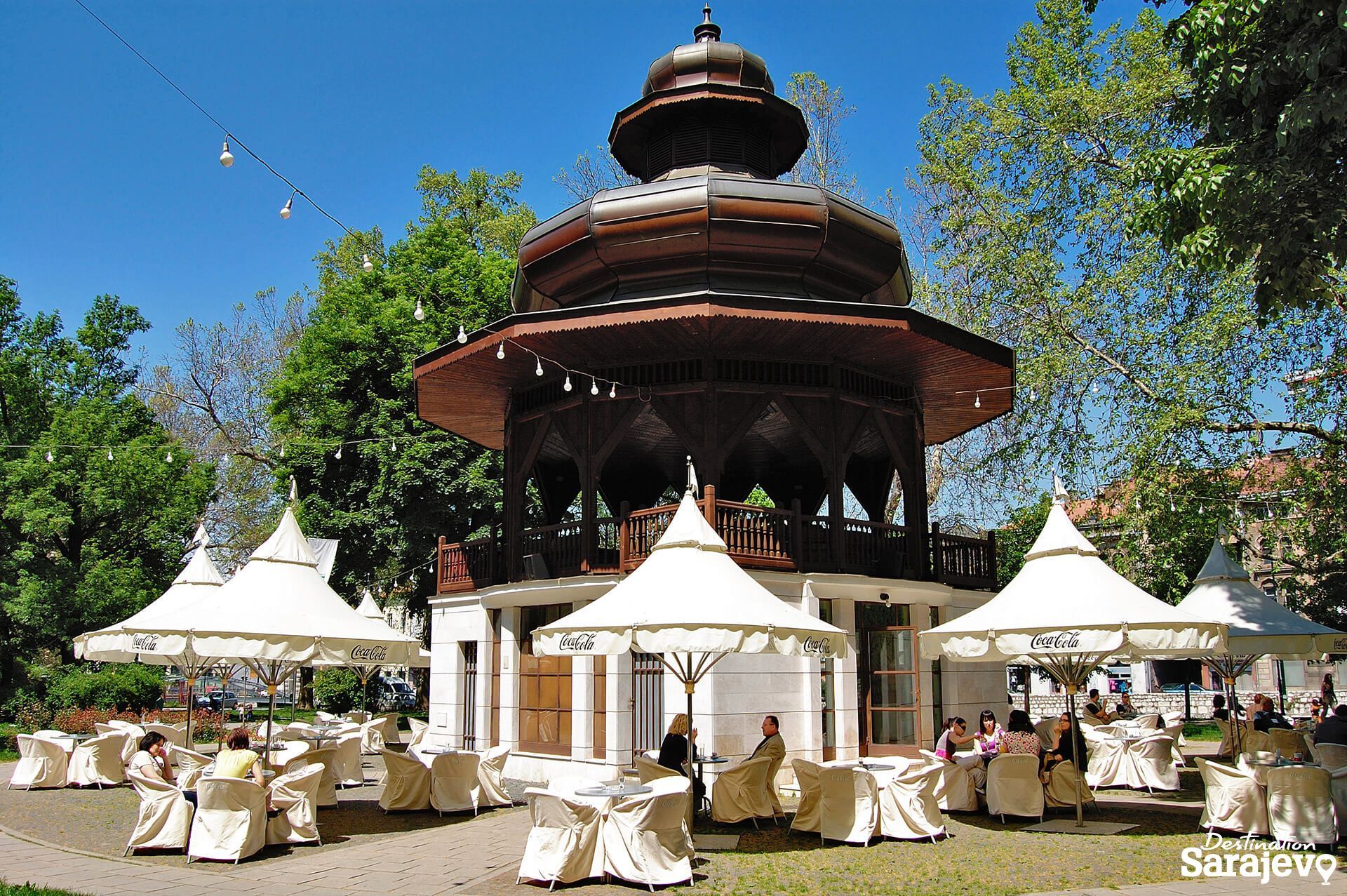
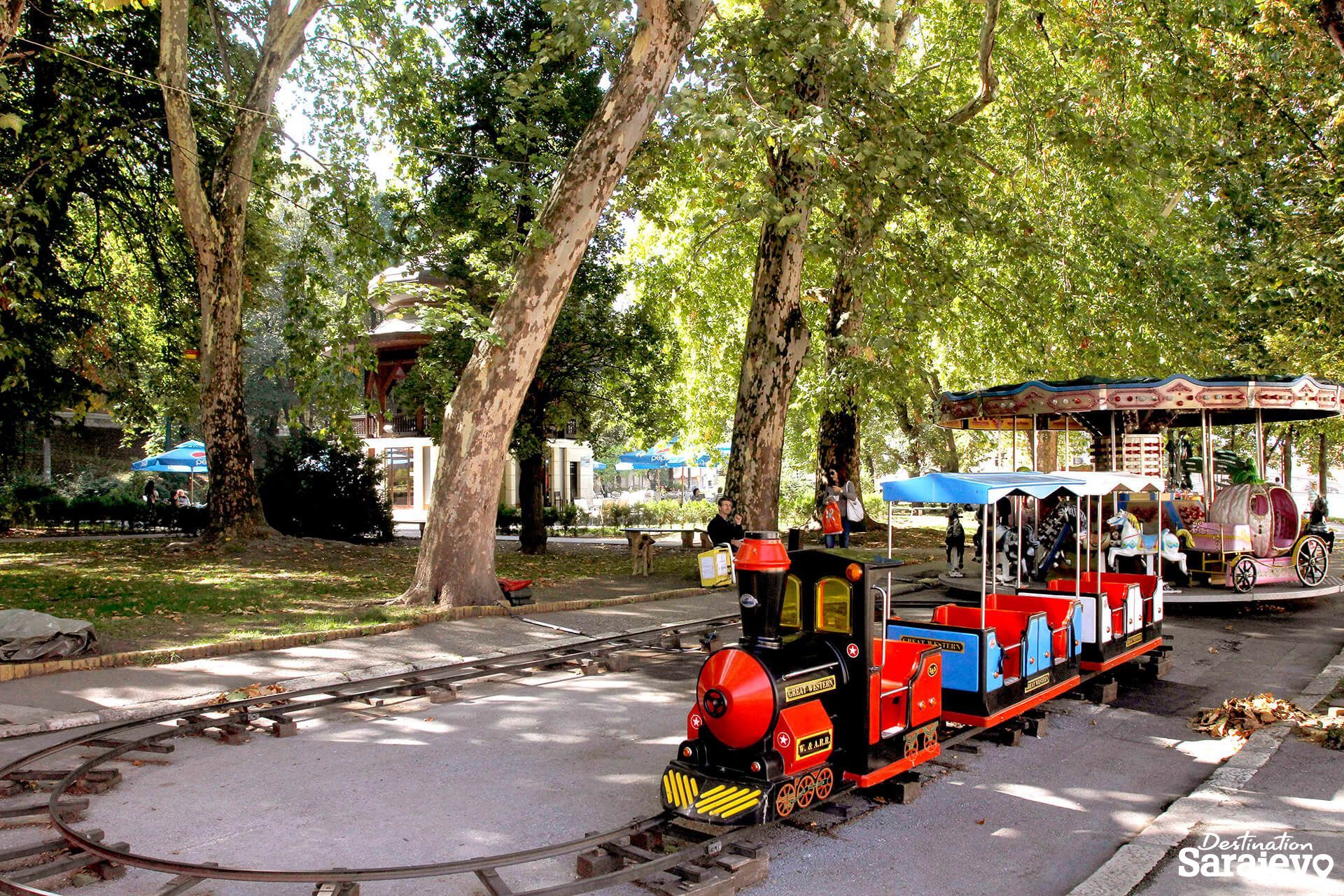
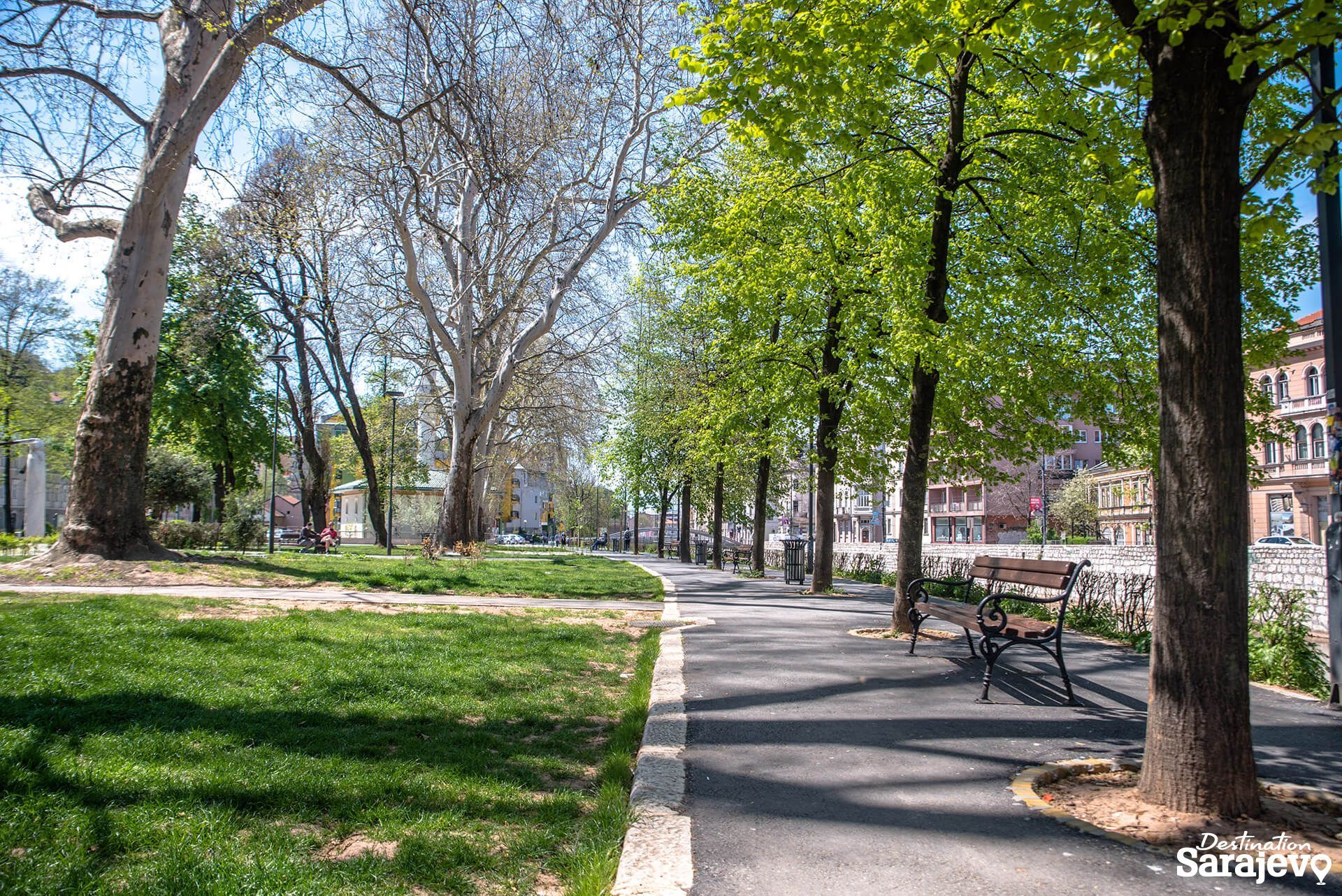
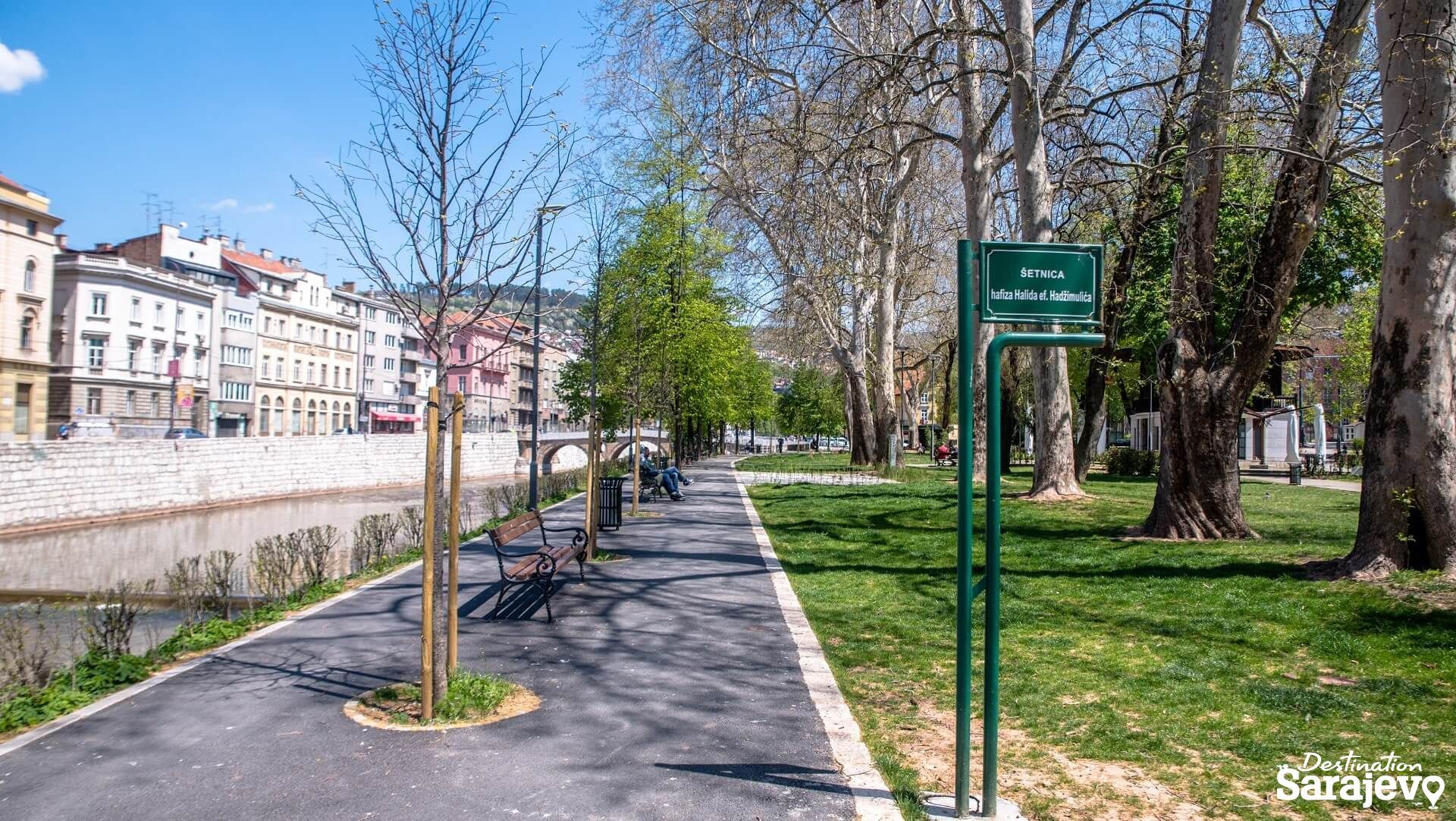
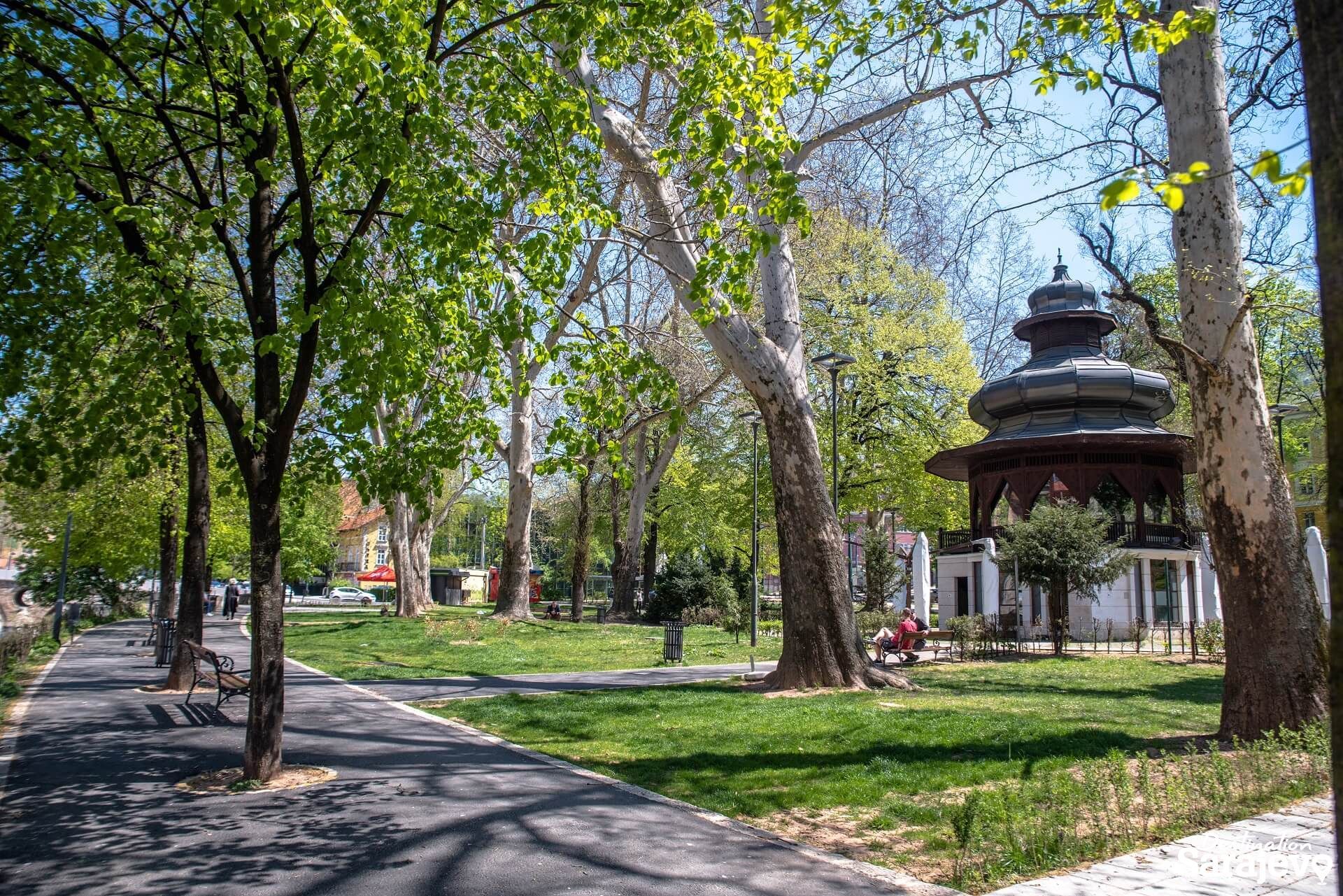
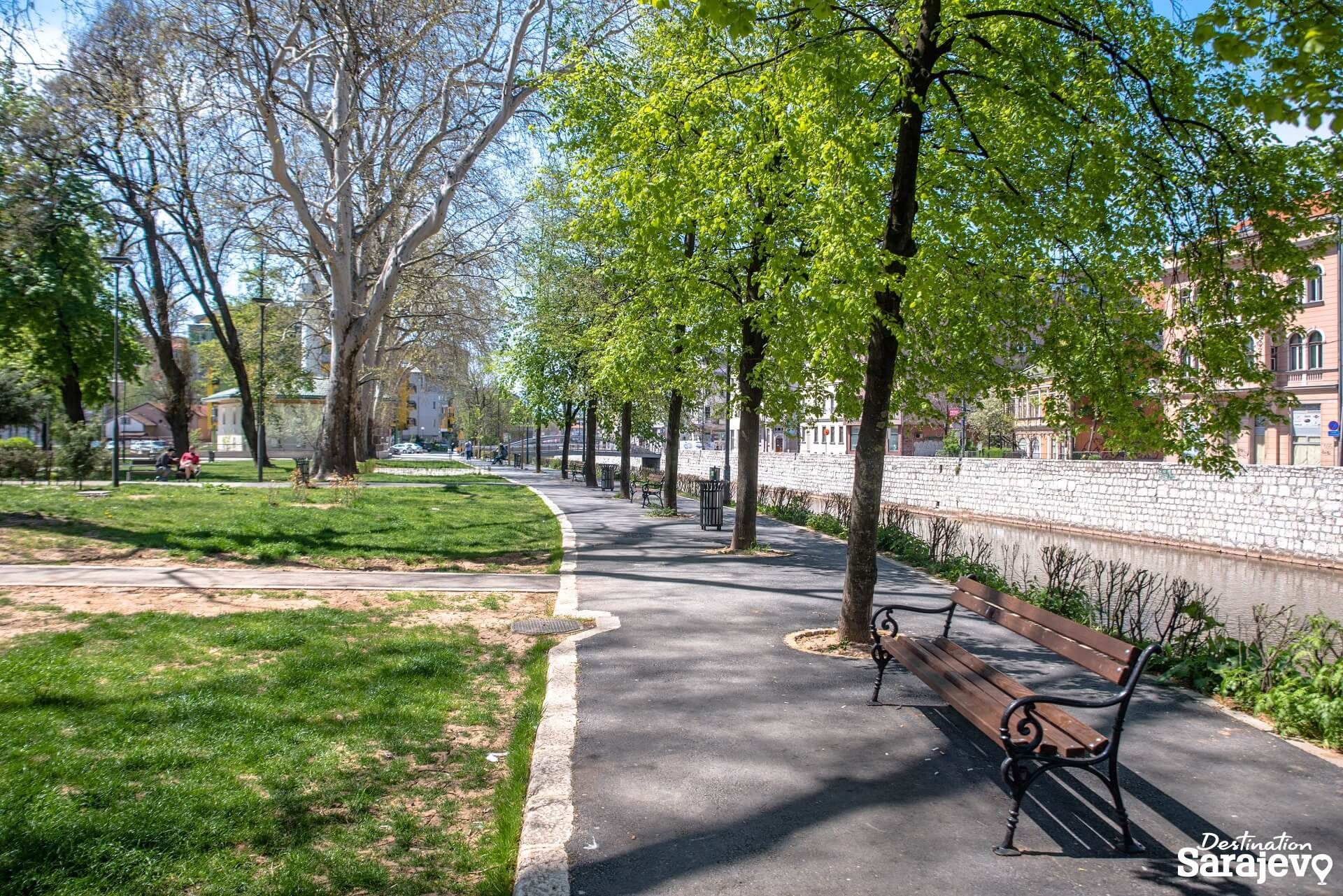
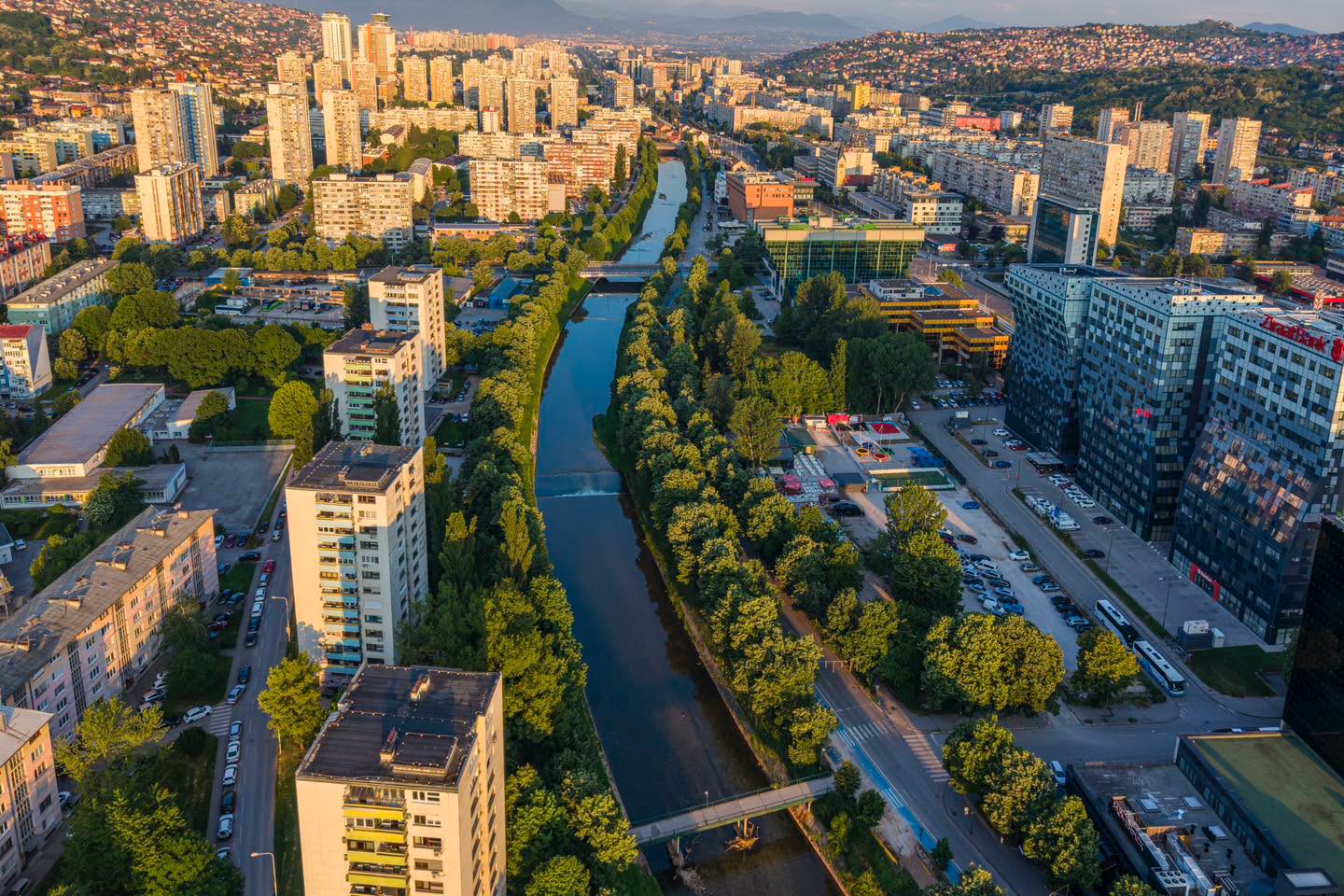
The name "Hippodrome" (At Meydanı) comes from the Ottoman era; in the past, horse trade and horse racing took place here. Later, due to the presence of structures such as mosques, madrasas, and libraries in its vicinity, it became an important educational and cultural center. Today, it stands as a tranquil, green park beside the Miljacka River. The music pavilion inside and the surrounding historical ruins make it even more significant. It's a beautiful spot to visit while exploring Baščaršija and the Latin Bridge, offering a deeper understanding of Sarajevo's past. It's a nice and central spot to visit while touring Sarajevo. Being close to Baščaršija, it's quite easy to reach on foot. The historical urban fabric and Sarajevo's unique atmosphere are beautifully felt here. It's not a huge place or something you'll spend hours exploring, but it's a pleasant spot to take a short break and get a feel for the city's atmosphere while exploring the surroundings. I especially recommend it to those interested in Sarajevo's history and old town.

Sat down, ate baklava, put rubbish in bin, 10/10 will definitely do it again


A calm and peaceful park. Its history is also palpable.
Right after the founding of Sarajevo, this was where public punishments were carried out, and for this reason, it was called Sijaset Mejdan. In the second half of the 15th century it served as a horse track and a place for trading horses and up to that time it was called At Mejdan (at = horse; mejdan = square).
In 1544, Hajji Alija Bakr-Baba built a mosque in the part of town close to Ćumurija Bridge, while Hajji Ismail Misrija built a madrasa (religious educational facility) on the eastern side of the mosque’s courtyard in 1741/1742. Soon after, Abdulah Efendi Kantamirija had a library built nearby and, by the end of the 18th century, At Mejdan had become an important educational and cultural center.
It began to lose its original function at the beginning of the 19th century, as Austro-Hungarian occupation saw the destruction of objects that had stood here, and the square was renamed after Baron Josip Filipović, Commander of the occupational forces that arrived in 1878. By 1905 the square was joined to the nearby Vojni Trg (military square) and the entire area was renamed Trg Franje Josipa, after the Austro-Hungarian Emperor.
Between the First and Second World Wars, the park bore the name of Czar Dušan, the first Serbian Czar, and it officially became a park in 1925. During the Second World War it was named after the writer, Edhem Mulabdić, and following liberation in 1945 it was again named after Dušan Silni (“Dušan the Mighty”). The name, At Mejdan, was reinstated in 1993.
The center of the At Mejdan Complex is now dominated by a music pavilion that was built in 1913, as designed by Josip Pospišil. It was destroyed during the Second World War and then totally rebuilt in 2004.
In 2015, the western section of the park was opened to serve as At Mejdan’s protected archeological area, which includes the renovated Bakr-Baba’s Mosque, remains of the mekteb (religious primary school), a courtyard and Misrija’s madrasa.
RECOMMENDED PLACES