






Džidžikovac
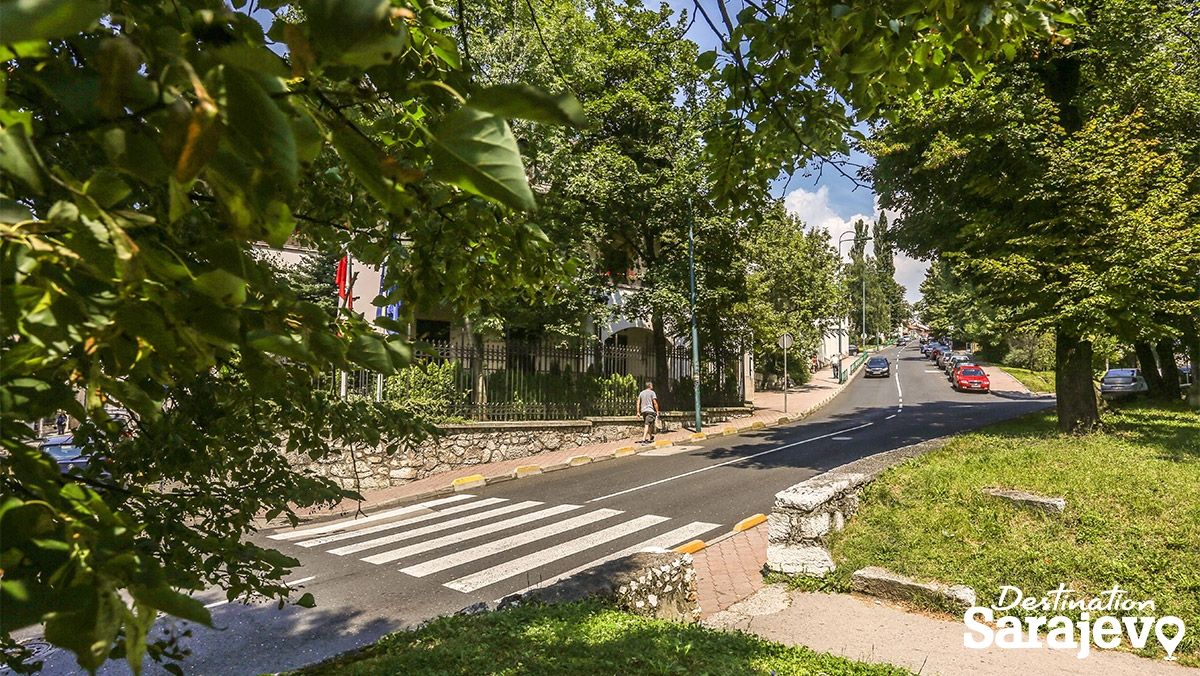
During the Ottoman period, the section from what is now Tina Ujevića to Čekaluša was developed.
It was dominated by gardens with flowerbeds and orchards, giving Džidžikovac its name, from güzel (Turkish=embellished, lovely).
In the early 16th century, Muslihudin Hajji Čekrekčija, who had his own endowment and had Čekrekčijina Mosque built in Baščaršija, purchased land where Veliki Park is today and bequeathed it as a cemetery. At the same time, the scholar Kulin Hajji Bali had a mosque built at the top of Džidžikovac.
During Austro-Hungarian rule, buildings and houses were built by wealthy citizens, an example being Kotjerina Villa, now home to the Austrian Embassy.
Socialist Yugoslavia nationalized all endowed properties and after the exhumation performed in part of Džidžikovac cemetery, the Kadić brothers, prominent architects, had a residential complex built here in 1959, which became a national monument in 2008.
Since 1995, this street has also included the Koševo-Tina Ujevića section.
LOCATION / AREA
Center
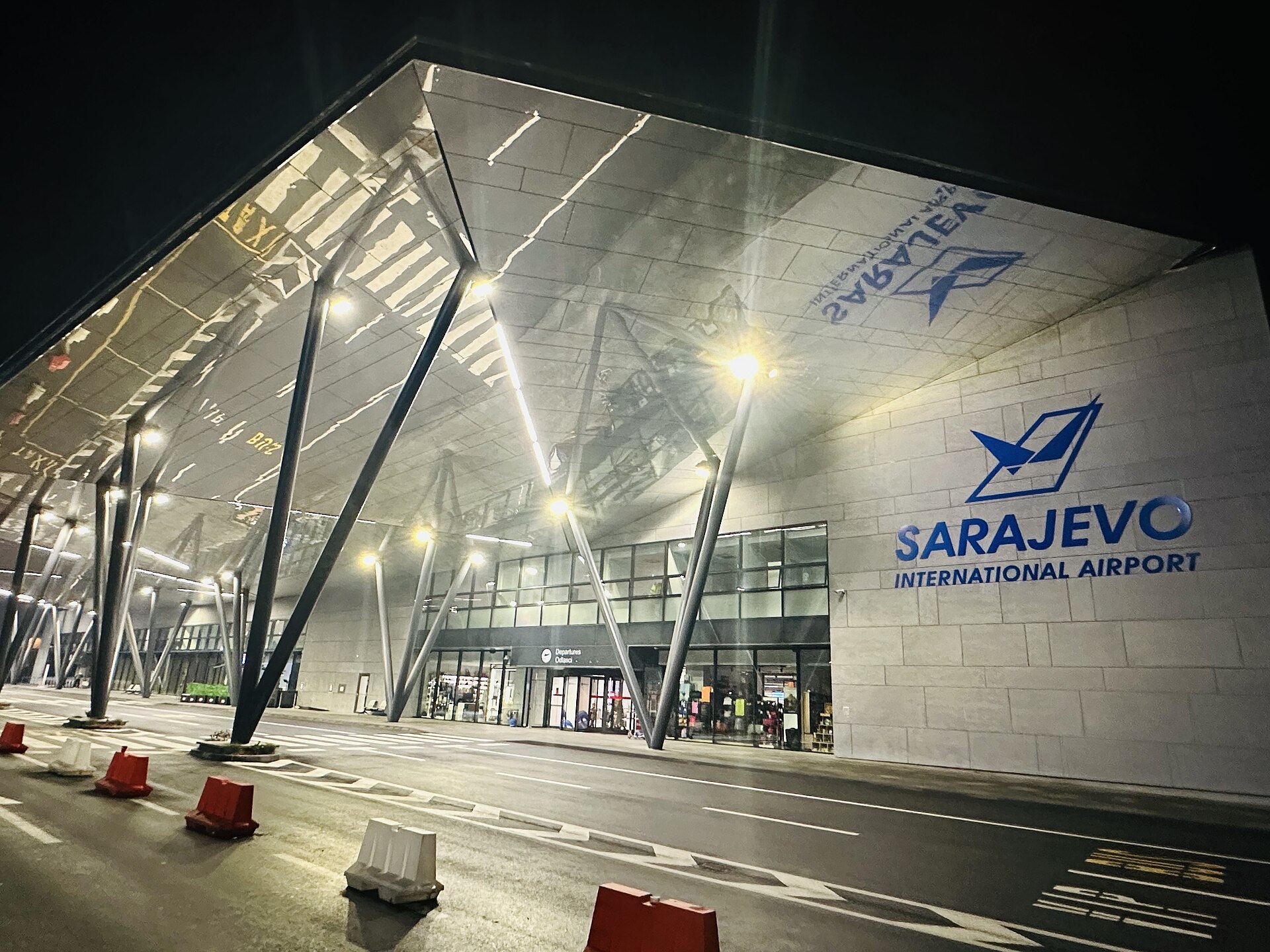
DISTANCE FROM AIRPORT
7.3km
DISTANCE FROM SARAJEVO BUS STATION
1.4km
Distance from the center
371m
NEAREST PUBLIC TRANSPORT STATION
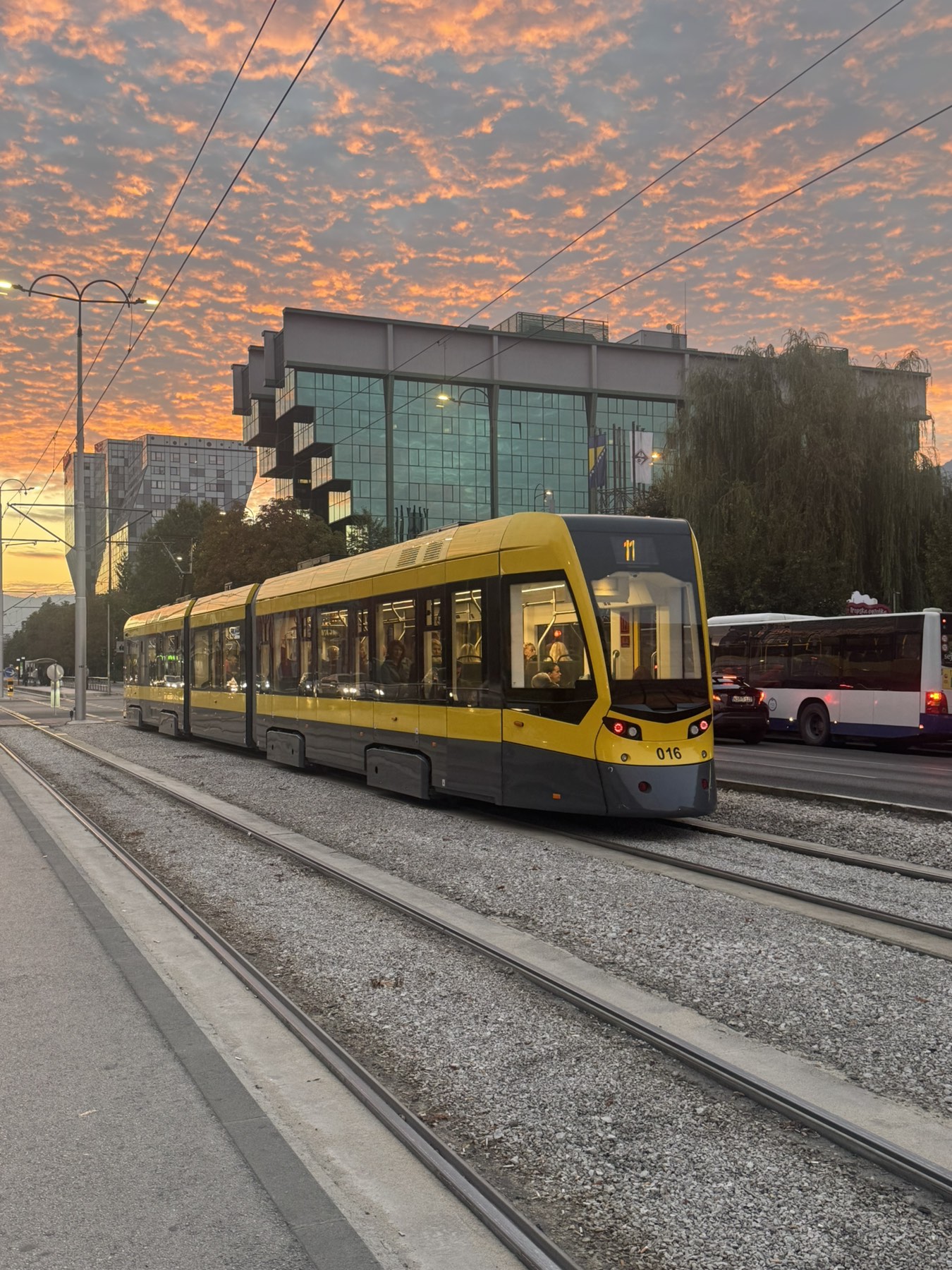
Tram station Park - 140m