

Groblje Alifakovac
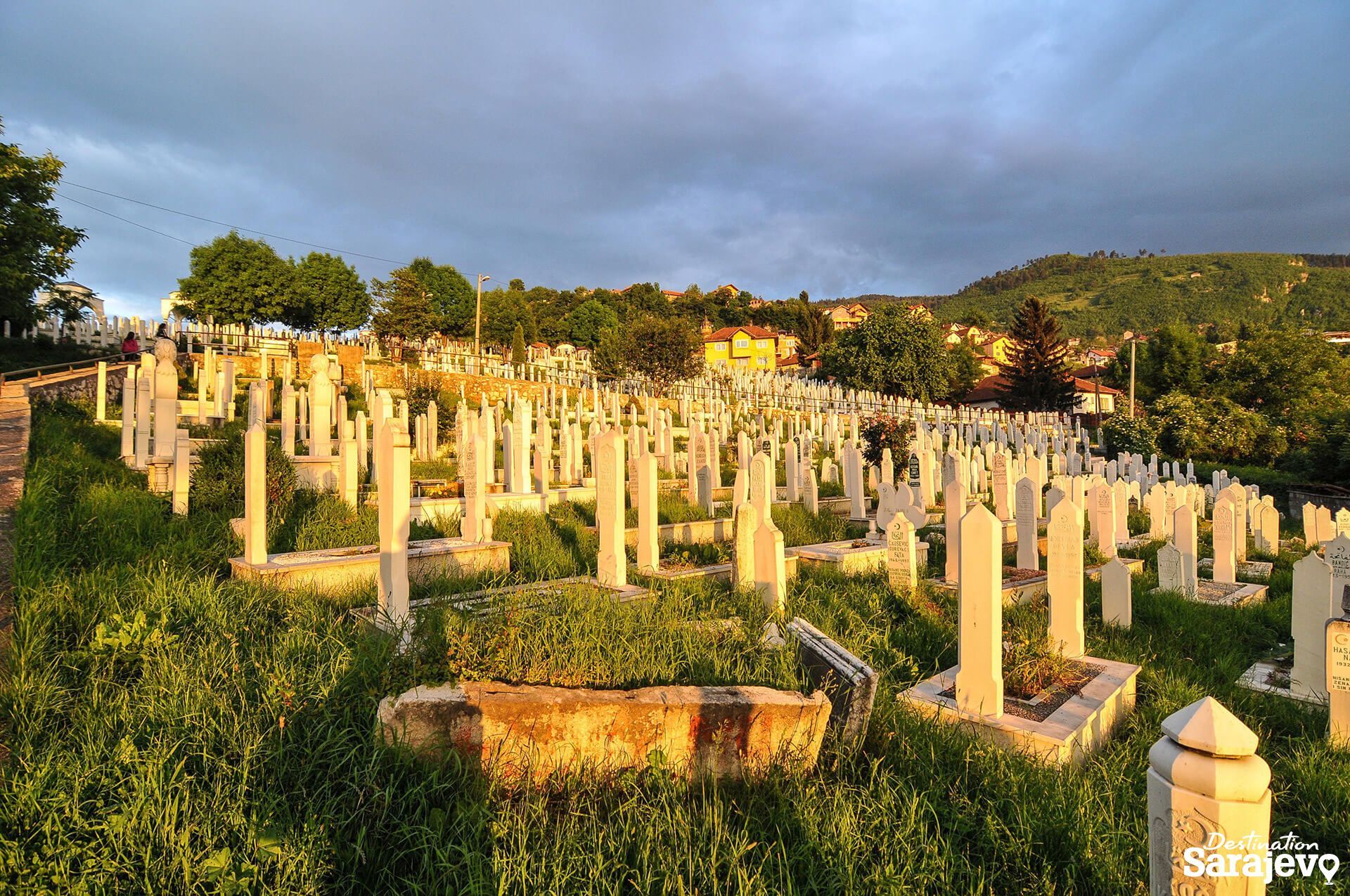
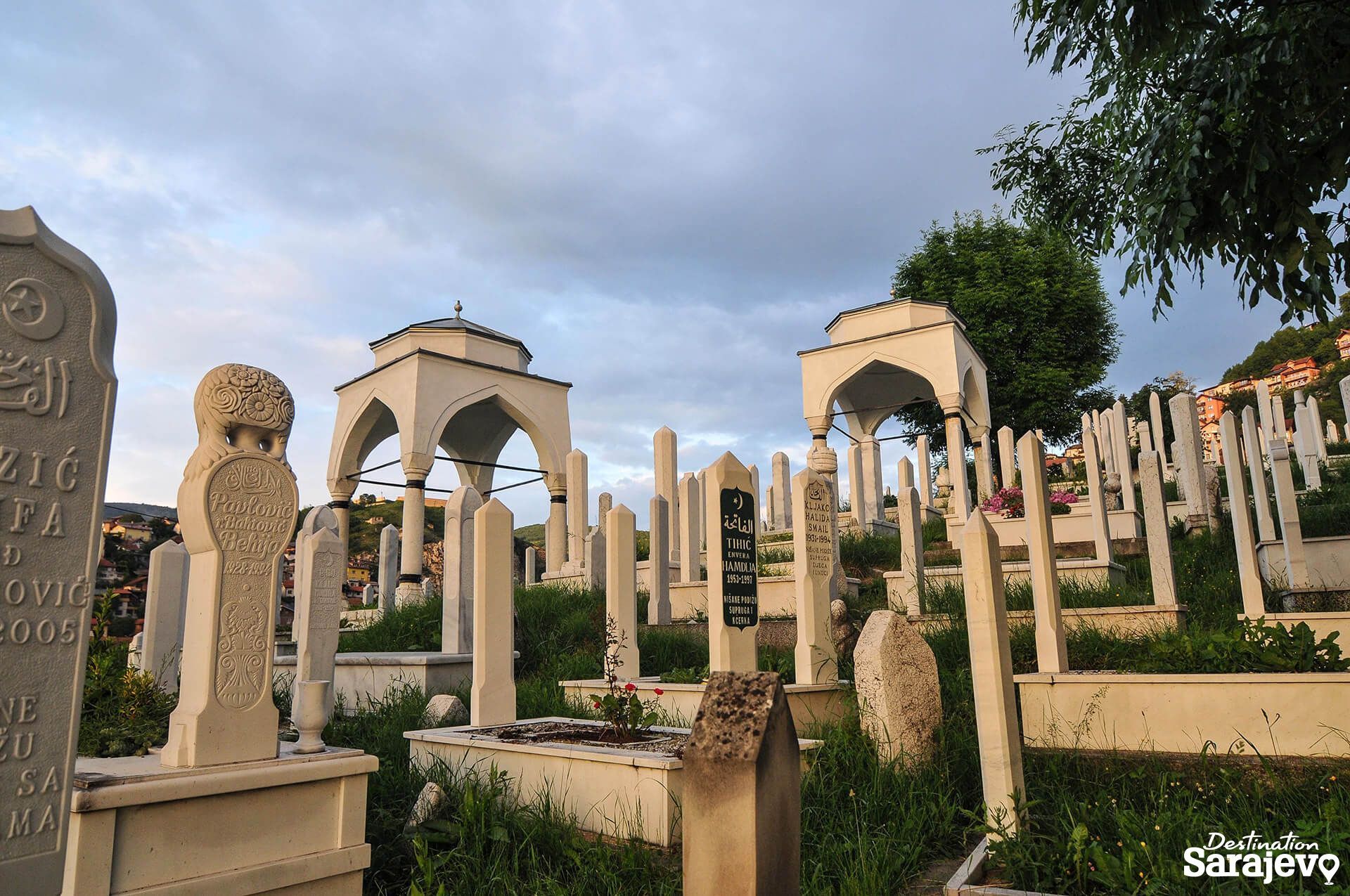
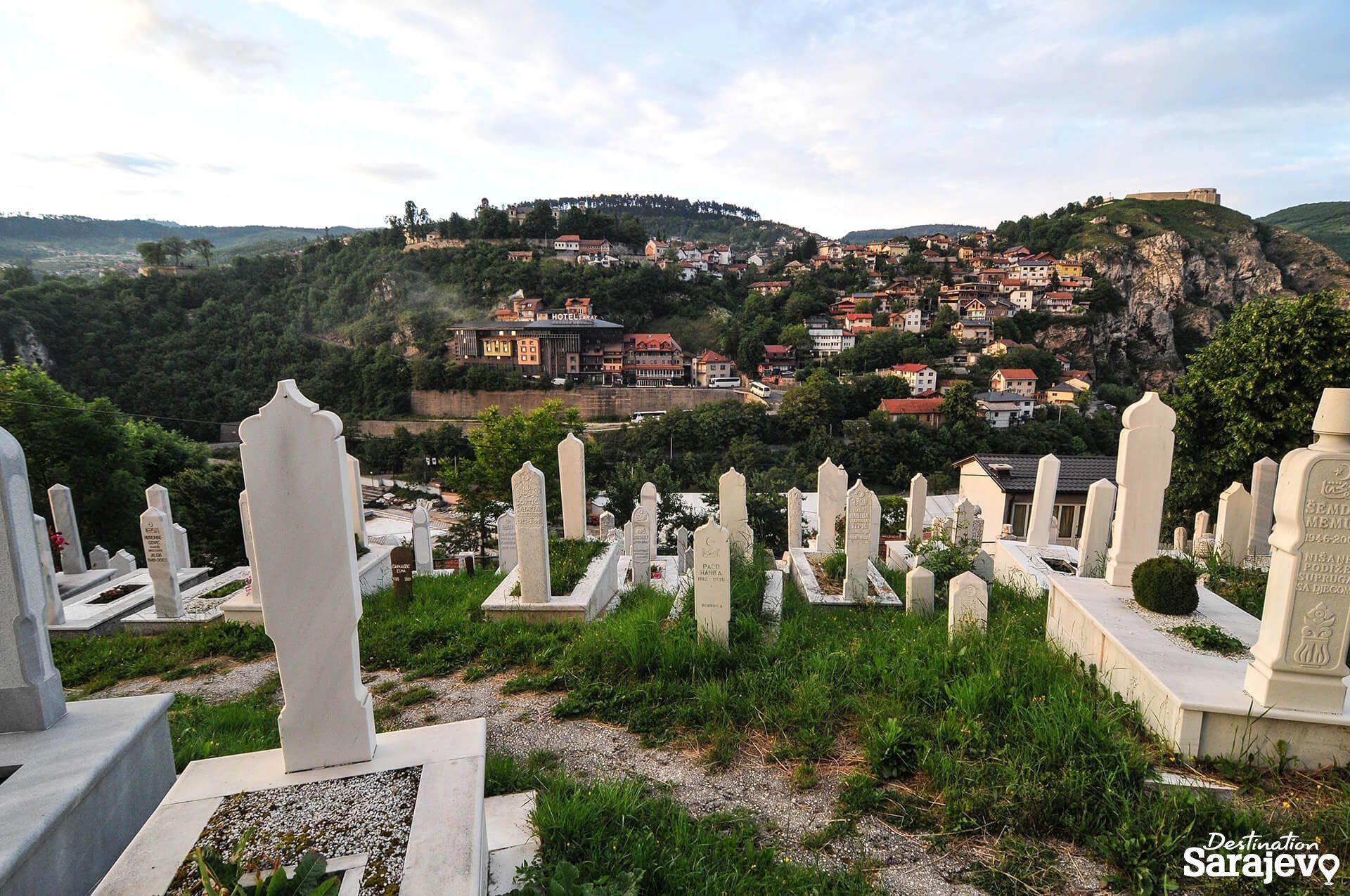
I groblje i naselje ime su dobili po Ali-Fakihu, pravniku i učenjaku iz 15. stoljeća, koji je kao svjedok naveden i u vakufnami Isa-bega Ishakovića iz 1462. godine, a koja se smatra rodnim listom Sarajeva.
Od 15. stoljeća na ovom groblju sahranjivane su znamenite Sarajlije, ali i stranci koje bi smrt zadesila na proputovanju kroz Sarajevo. Zbog toga je groblje često nazivano i Musafirsko groblje (musafiri – stranci, došljaci).
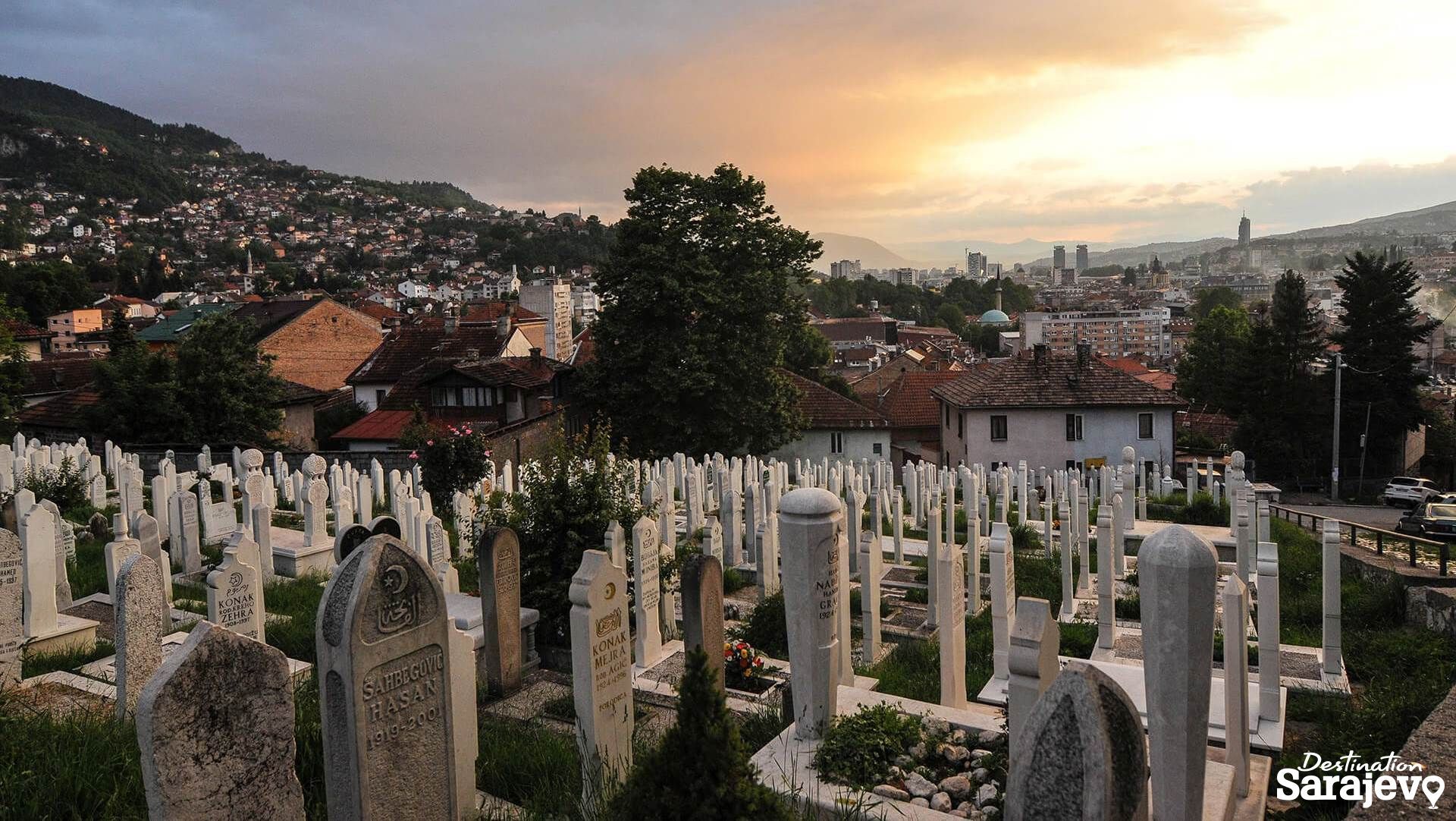
U središtu groblja nalaze se dva turbeta (mauzoleja) sa stubovima, gdje su ukopani Muhamed Jahja-efendić, sin Ahmeda, tadašnjeg sarajevskog munle (vrhovnog sudije) i vojskovođa Jusuf-paša Ćuprilić. Oko turbeta nalazi se preko 500 nišana (nadgrobnih spomenika) u kojima su, na arapskom jeziku, uklesani natpisi u stihu i prozi.
LOKACIJA / DIO GRADA
Stari grad
SIGHTSEEING LABEL
Groblje / Mauzolej
UDALJENOST OD AERODROMA
8.8km
UDALJENOST OD AUTOBUSKE STANICE SARAJEVO
3.2km
Udaljenost od centra
2.0km
NAJBLIŽA STANICA JAVNOG GRADSKOG PREVOZA
Tramvajska stanica Vijecnica - 322m
Google recenzije

Luogo estremamente toccante e il quale dovrebbe essere trattato con immenso rispetto e morale, cosa che evidentemente non tutti gli esseri umani hanno. Sono salita fin su la collina per scattare una foto commemorativa e sedermi in silenzio religioso, inutile raccontare dell'immensa orda di turisti al tramonto, tutti a farsi selfie vicino le tombe, a consumare cibo e alcool sul prato, a giocare a carte.. ho provato tanto disgusto! Un luogo che andrebbe trattato con un rispetto che non si ha, per il resto il luogo in sé è assolutamente incredibile soprattutto appunto al tramonto, o anche all'alba nell'assoluto silenzio. Se lo visitate, vi prego rispettate questo posto e questa città!

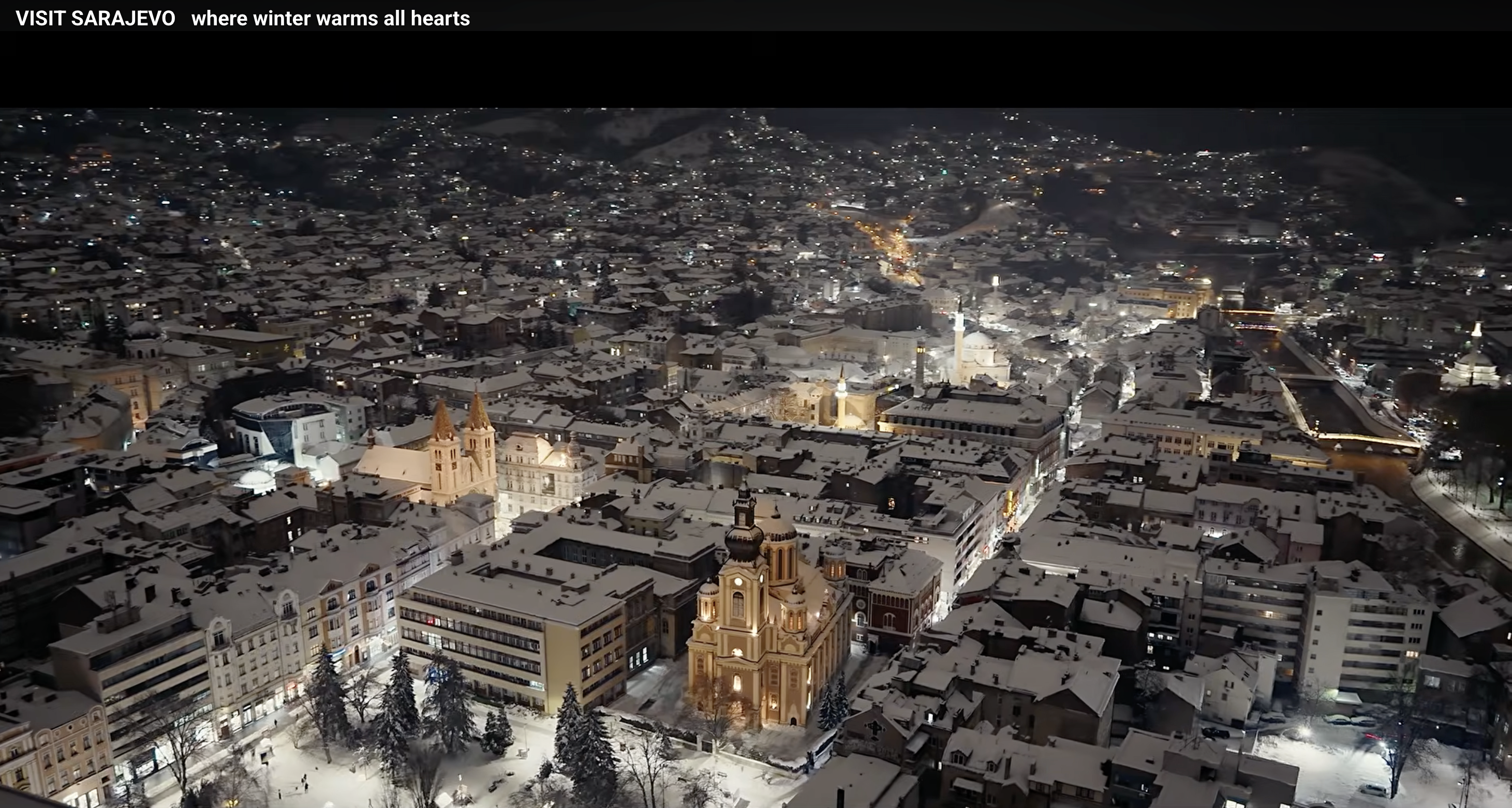
The Alifakovac Cemetery (Groblje Alifakovac) is one of the oldest and most beautiful Muslim cemeteries in Sarajevo. Located on the heights of the Old Town, it has been in use since the 15th century and is now a National Monument of Bosnia and Herzegovina. From its pathways, visitors can enjoy a breathtaking panorama of Sarajevo's rooftops and the Miljacka Valley. The neighborhood and the cemetery are named after Ali-Fakih, a 15th-century Muslim jurist and scholar. He is mentioned as a witness in the founding charter (vakufnama) of Isa-beg Ishaković in 1462, a document considered the "birth certificate" of Sarajevo. The Alifakovac neighborhood subsequently developed around the cemetery, the mosque, and the old roads leading east into the Balkans. Because of its location along the old imperial road connecting Sarajevo to Istanbul, the cemetery served not only as the final resting place for the city's inhabitants, but also for many travelers, merchants, pilgrims, and foreigners who died while passing through Sarajevo. This is why Alifakovac is sometimes called the "Travelers' Cemetery" (Musafirsko groblje), the word musafir meaning a traveler or a passing guest. The cemetery contains several hundred nišani (Muslim gravestones) dating from various periods, as well as two elegant turbe (open mausoleums) from the 18th century. One houses Yusuf Pasha Ćuprilić, a former Ottoman governor of Belgrade who spent his final years in Sarajevo, while the other was built for Mehmed, the young son of a qadi (Islamic judge) of Sarajevo, who died prematurely in 1780. Nearby is also an old fountain erected in his memory. The site is also renowned for its harmony with the landscape. The traditional houses of Alifakovac were built according to a local rule that ensured no neighbor was ever deprived of their view or sunlight, creating a particularly balanced urban ensemble. Charmed by this panorama, the famous architect Le Corbusier is said to have called Alifakovac "the most beautiful cemetery in the world" during his visit to Sarajevo.

Respectful.

Nice and reflect the history of brave people