



Crkva svetog Vinka Paulskog i samostan sestara milosrdnica
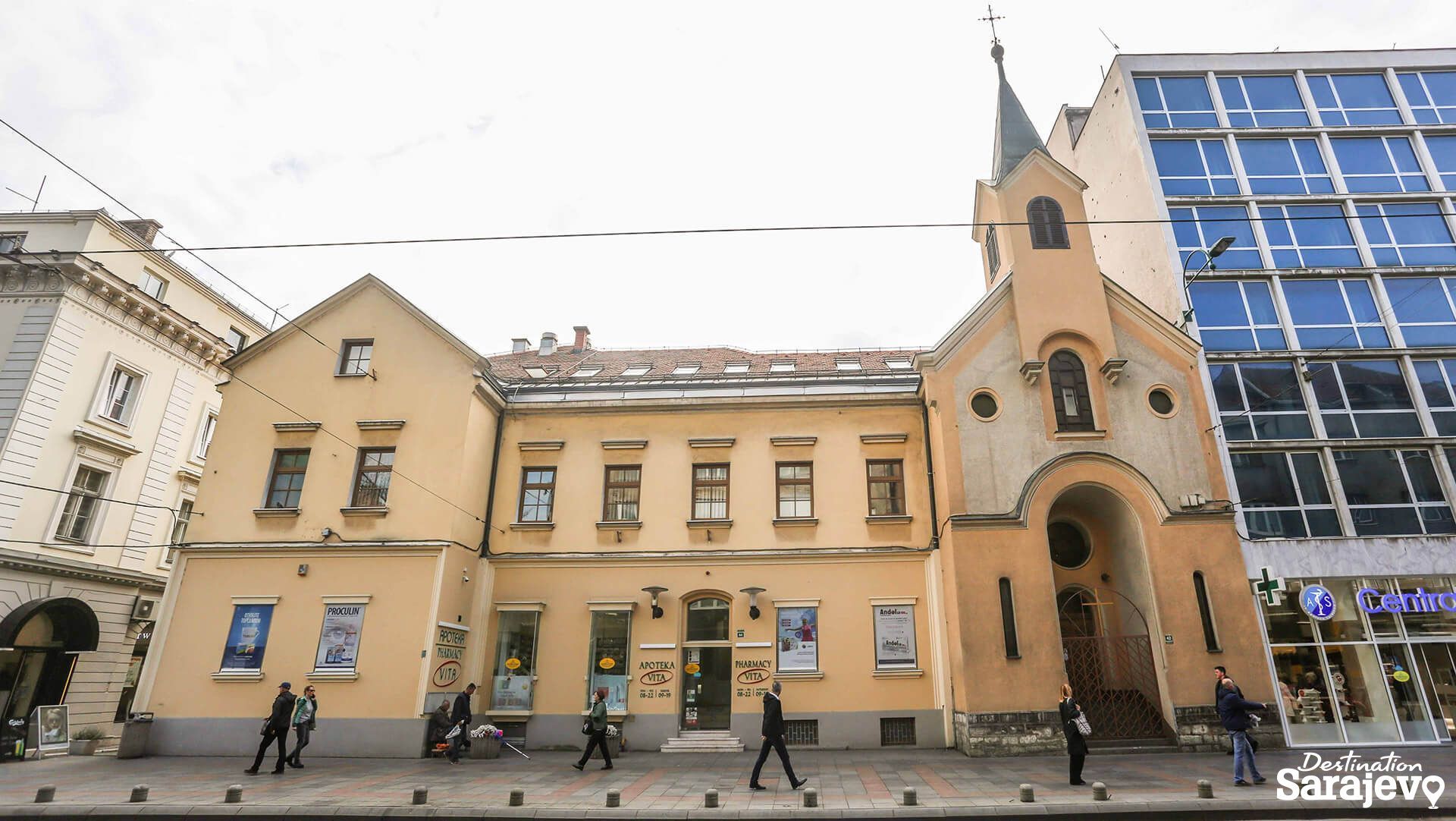
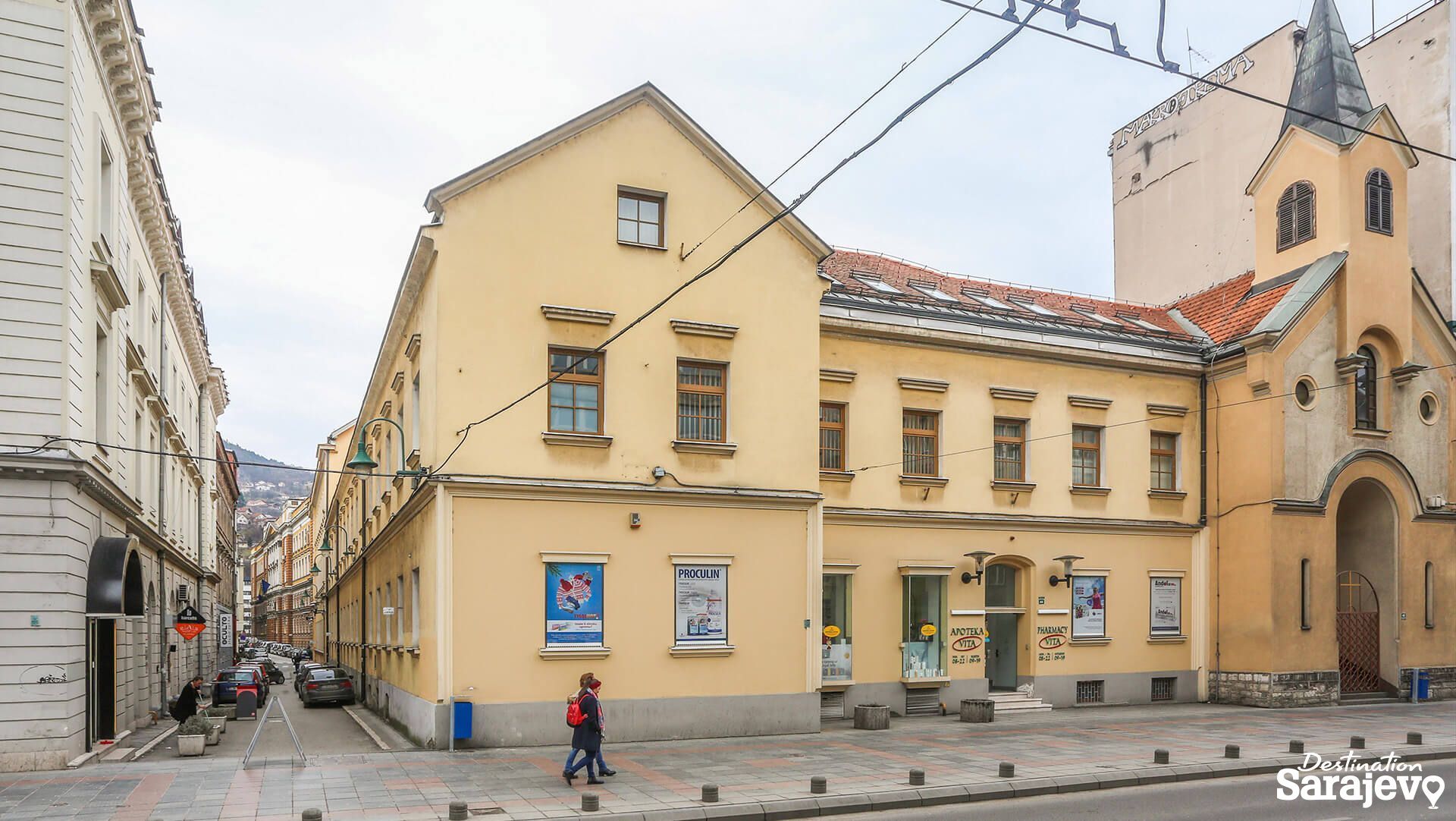
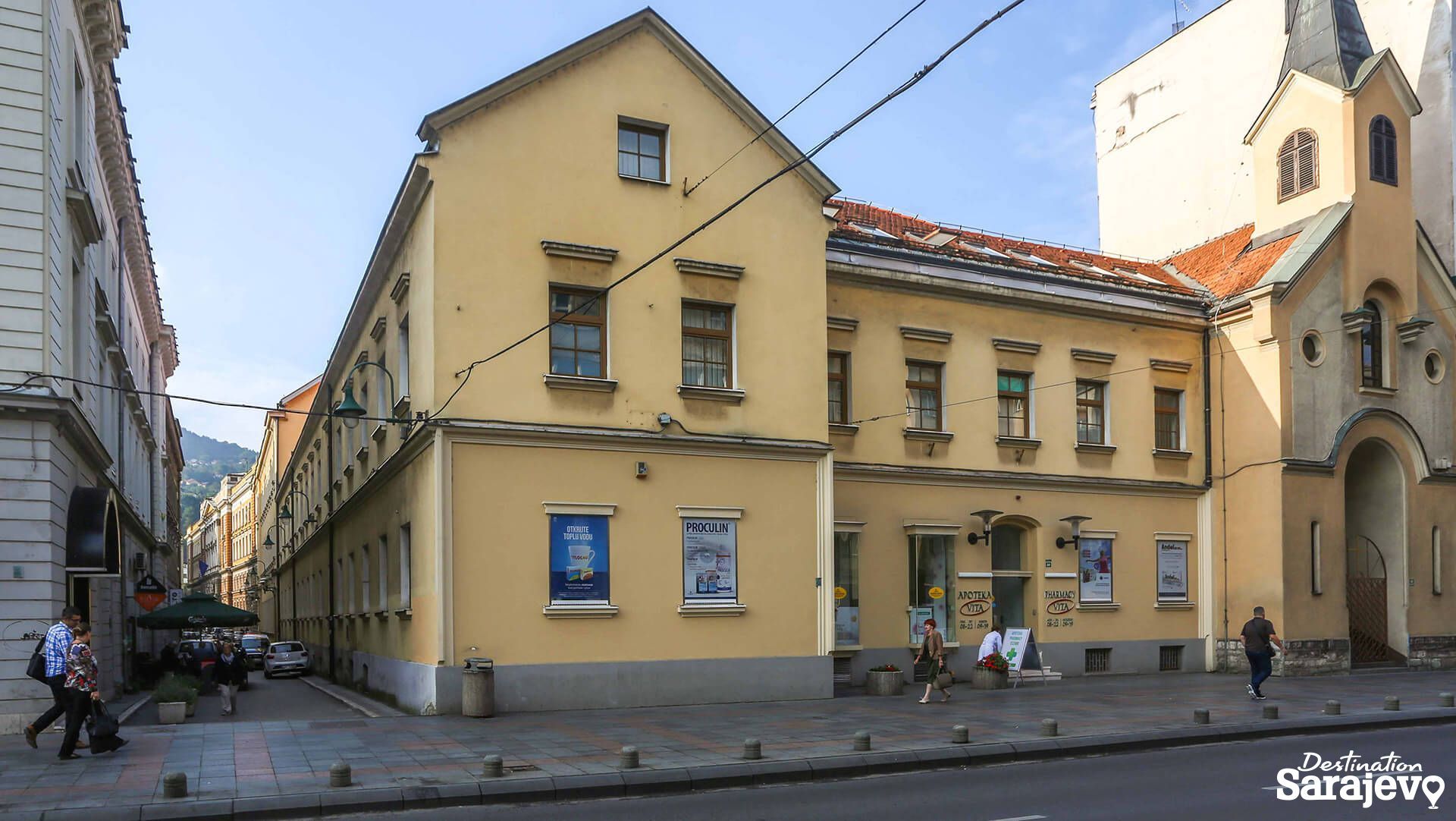
Prve sestre Milosrdnice, čiji je zaštitnik sveti Vinko Paulski, u Sarajevo su došle 1871. godine, kada ih župnik fra Grga Martić smješta u kućicu pored stare župske crkve na Miljacki. Za njih je 1874. na Kovačićima kupljeno zemljište, gdje su izgrađeni samostan i ženska škola.
U periodu austrougarske okupacije 1879. ti objekti su spaljeni, sestre odlaze u Zagreb i vraćaju se naredne godine.
Kako se vremenom broj učenica povećavao, prvi sarajevski nadbiskup Josip Stadler kupio je na prostoru između današnjih ulica Titova, Branilaca Sarajeva i Šenoina parcelu na kojoj su 1883. izgrađene crkva i samostan, dok su 1904. dograđene zgrada škole i Zavoda Svetog Vinka.
Nakon 1908. i aneksije BiH u tom kompleksu je otvorena javna kuhinja, a 1939. u njemu je smještena i Stručna zanatska škola.
Tokom bombardovanja 1941. oštećeni su samostan i školska zgrada, u koju je nakon nacističke okupacije bila smještena njemačka vojska. Po oslobođenju Sarajeva 1945. godine kompleks je dat na raspolaganje jedinicama Narodno-oslobodilačke vojske (NOV).
Zgrada 1949. postaje državno vlasništvo, dio sestara po naredbi vlasti seli u Kraljevu Sutjesku, dio u Kuću-maticu u Zagreb, a nekoliko ih ostaje raditi u Gradskoj bolnici.
Narednih decenija su u tom prostoru bile smještene brojne kulturne, sportske i obrazovne organizacije.
Tokom rata od 1992. do 1995. škola, samostan i crkva su granatiranjem oštećeni, da bi potom u taj prostor bile useljene izbjeglice. Tih godina vratile su se i sestre, koje uz pomoć Vrhbosanske nadbiskupije i Caritasa otvaraju 11 specijalističkih ambulanti, apoteku i narodnu kuhinju.
U obnovljenom objektu od 2004. do 2015. djeluje Srednja medicinska škola u sastavu Katoličkog školskog centra, dok je samostan ponovo otvoren 14. septembra 2014.
Graditeljska cjelina - Crkva svetog Vinka Paulskoga, koju čine crkva, samostan Sestara milosrdnica, škola, dvorište i pokretno naslijeđe je nacionalni spomenik BiH od 2011.
LOKACIJA / DIO GRADA
Centar
SIGHTSEEING LABEL
Arhitektura, Historija, Religija
UDALJENOST OD AERODROMA
7.5km
UDALJENOST OD AUTOBUSKE STANICE SARAJEVO
1.8km
Udaljenost od centra
537m
NAJBLIŽA STANICA JAVNOG GRADSKOG PREVOZA
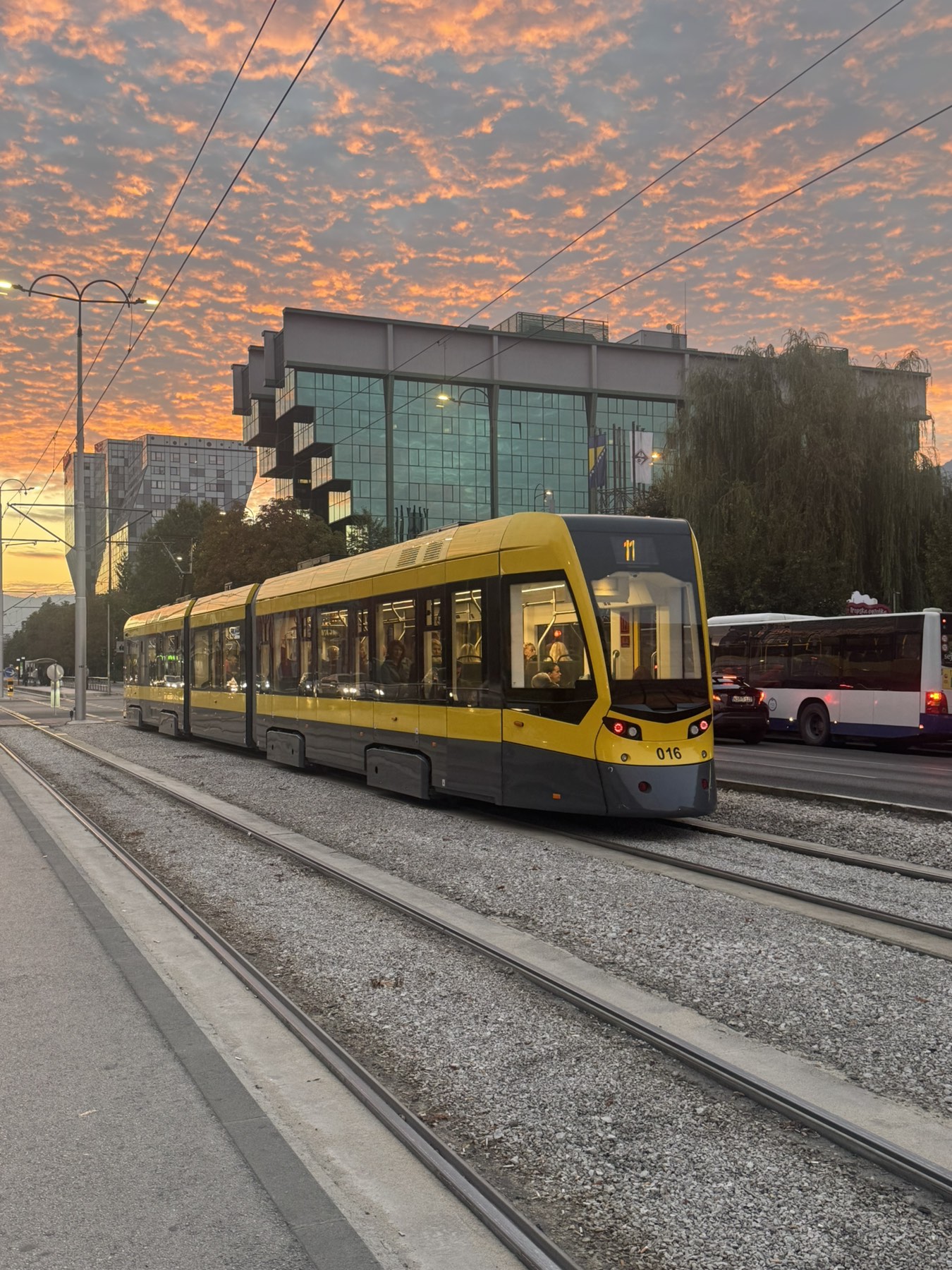
Tramvajska stanica Banka - 74m
Google recenzije


Living church whatever the size of it.❤️

You have probably noticed that advertising materials representing the capital of Bosnia and Herzegovina usually feature sacral buildings of the four major religions. The Catholic Church is almost always represented by the cathedral, followed by: the "unconceived" cathedral in Marijin Dvor, the monastery in Bistrik, and sometimes the Catholic Faculty of Theology and the Stup shrine... In all this, the Church of St. Vincent de Paul and the accompanying monastery, right next to the central city promenade, undeservedly fall into the background, even though it is the oldest preserved Catholic church in Sarajevo, whose construction dates back to before the establishment of the regular Church hierarchy in Bosnia and Herzegovina... The Church of St. Vincent de Paul and the Monastery of the Sisters of Charity have great ambient and historical value within the Sarajevo city entity, and in addition, in 2011 they were declared a national monument. The architectural complex consists of: the church located on the western side of the complex along Titova Street and the monastery that is attached to the eastern side of the church. The monastery is located at the intersection of Titova and Šenoine streets, and is connected to the building of the former Medical School of the Catholic School System for Europe, which returned to Banjski Brijeg in the 2016/17 school year. The entrances to the church and the monastery are directed towards the central Sarajevo promenade, while in the hinterland there is a nationalized parking lot. The main material used for the construction of the complex is high-quality brick. In terms of the design of the facade, the church and the monastery are built in a strict historicist manner, the expression of which is closest to neo-Romanesque, with the exception of the building of the former medical school, where the influences of Art Nouveau are visible. The church belongs to the type of single-nave buildings built of brick with a bell tower to the north and an apse to the south. The northern facade of the church has a symmetrical composition, in the center of which there are double doors, and what is interesting compared to other Sarajevo churches is the vaulted and recessed entrance. Unfortunately, its side facades are not visible, since there is a monastery to the east, and a classic example of socialist construction to the west that "covered" the church. Since it is not a parish church that has "its own faithful", and is located near three larger places of worship, two of which are parish and one is a monastery, there were not many people at the early morning masses. Therefore, in cooperation with the Archbishop of Vrhbosna, Vinko Card. Puljić, it was decided to organize a full-day adoration before the Most Holy once a week, on Thursdays, when the faithful, each according to their own abilities and needs, come to the church.


THE CHURCH OF SAINT VINKO IS LOCATED IN THE VERY CENTER OF THE CITY OF SARAJEVO.. THE ONE AND ONLY BEAUTIFUL BUILDING OR RELIGIOUS OBJECT.. IT IS NOT ONLY BEAUTIFUL BUT IT IS MAGICAL MYSTICAL AS IF IT HAS EXISTED THERE FOR A THOUSAND YEARS.. A SMALL RELIGIOUS OBJECT BUT VERY BIG IN THE EYES OF THE BELIEVERS☯️♏😎